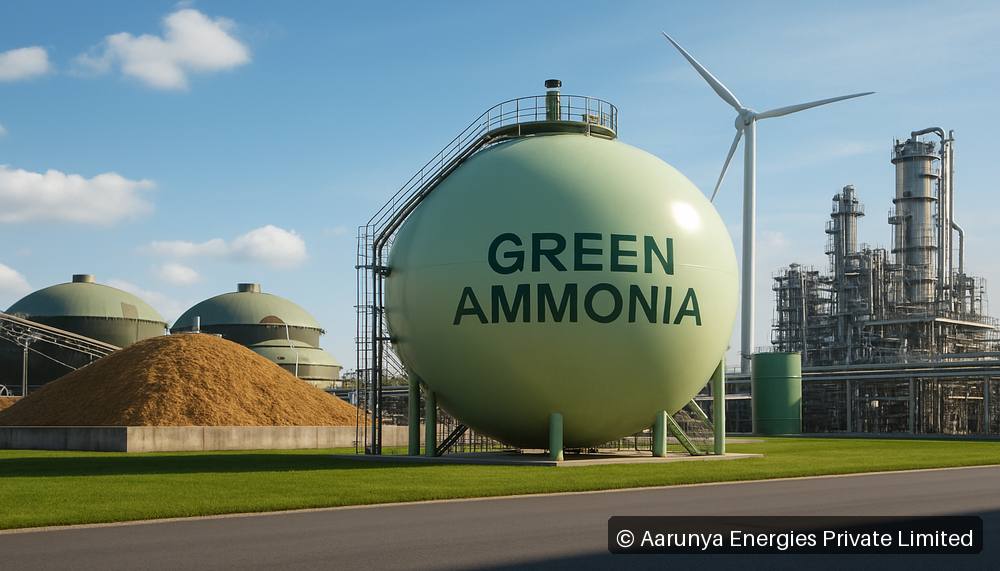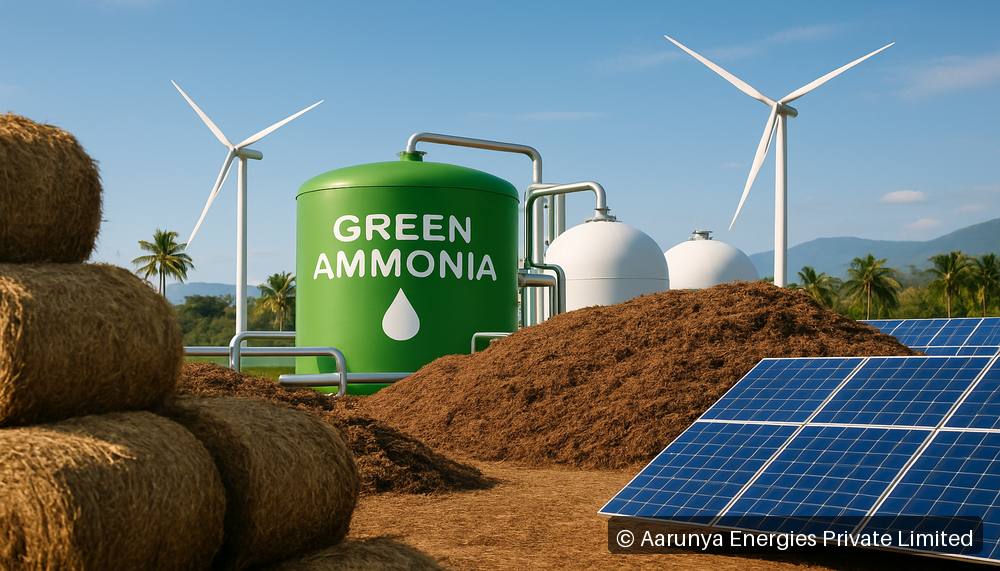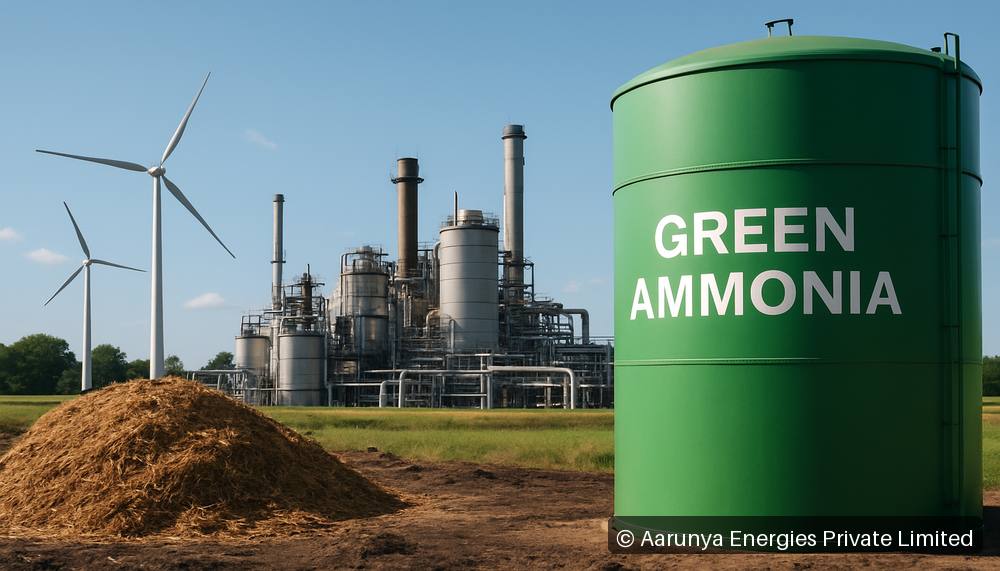
The Haber-Bosch process has been a cornerstone of modern agriculture and industrial chemistry since its inception in the early 20th century. By enabling the synthesis of ammonia from nitrogen and hydrogen, it has facilitated the large-scale production of fertilizers, significantly boosting crop yields worldwide. However, as the global community increasingly prioritizes sustainability and reducing carbon emissions, the focus has turned to the adaptation of this process for the production of green ammonia. This is especially relevant for India, where the agricultural sector plays a crucial role in the economy and the energy landscape is evolving towards renewable sources.
The traditional Haber-Bosch process relies heavily on fossil fuels, particularly natural gas, as a hydrogen source, which results in substantial carbon dioxide emissions. In contrast, green ammonia production aims to utilize renewable energy sources, such as solar or wind, to produce hydrogen through electrolysis. This process not only eliminates carbon emissions but also aligns with India’s commitment to reducing its carbon footprint and transitioning towards a sustainable energy model.
In India, where agriculture is a vital part of the economy, the potential for green ammonia is immense. Fertilizer production accounts for a significant portion of greenhouse gas emissions, making the shift to green ammonia a key component in mitigating climate change. By harnessing renewable energy and utilizing locally sourced biomass, India can produce ammonia sustainably, reducing dependency on imported fossil fuels and enhancing energy security.
The transition to green ammonia also supports the government’s initiatives, such as the National Hydrogen Mission, which aims to position India as a global leader in hydrogen energy. By investing in green ammonia production, India can not only meet its domestic agricultural needs but also potentially export ammonia to international markets, creating new economic opportunities.
The integration of the Haber-Bosch process with renewable energy technologies is crucial for scaling up green ammonia production. Researchers and engineers are actively working on optimizing existing technologies and developing new methods to make the process more efficient. Innovations in catalysts, for example, aim to reduce the energy requirements of ammonia synthesis, making it more feasible to incorporate renewable hydrogen.
Moreover, the use of biomass as a feedstock for hydrogen production adds another layer of sustainability to the process. Biomass resources, which are abundant in India, can be converted into hydrogen through gasification or pyrolysis, further minimizing the carbon footprint associated with ammonia production. This approach not only contributes to waste management but also promotes a circular economy, where organic waste is repurposed into valuable resources.
Despite the promising potential of green ammonia, several challenges remain. Infrastructure for the distribution and storage of green ammonia needs to be developed, as well as a regulatory framework to ensure safety and sustainability. Additionally, scaling up production requires significant investment in technology and facilities, which necessitates collaboration between governmental bodies, private enterprises, and research institutions.
The role of the Haber-Bosch process in transitioning to green ammonia at scale is not just a technical challenge, but also a socio-economic opportunity for India. As the nation strives to meet its climate goals and enhance its agricultural productivity, green ammonia can play a pivotal role in achieving these objectives. It represents a sustainable solution that addresses both environmental concerns and the need for food security.
In conclusion, the Haber-Bosch process, when adapted for green ammonia production, holds the key to a sustainable future for India. By leveraging renewable energy and innovative technologies, the country can transition towards a greener ammonia production model, fostering an eco-friendly agricultural sector and contributing to global sustainability efforts. As we move forward, continued investment and commitment to research and development will be essential in realizing the full potential of green ammonia, helping to shape a cleaner and more sustainable world.