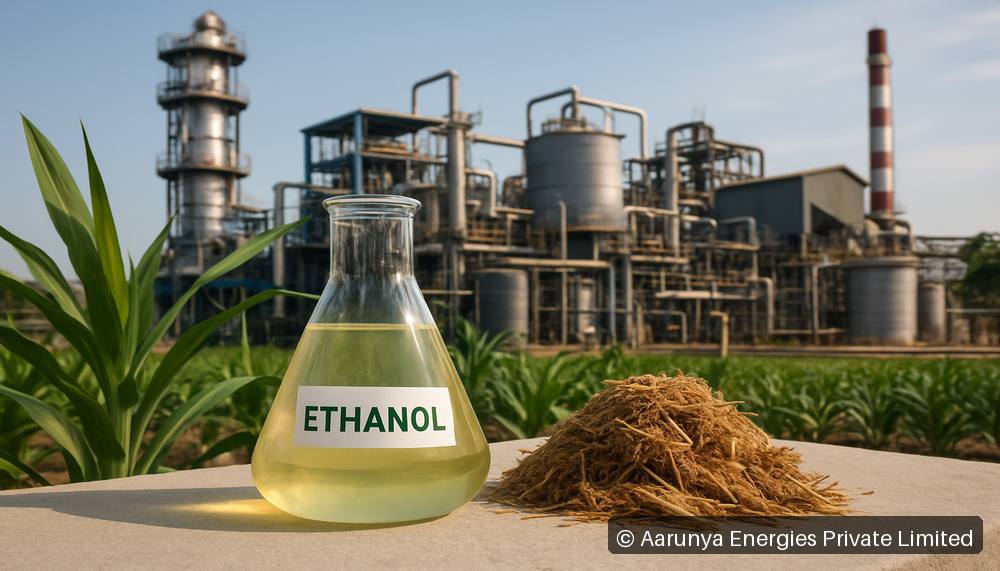
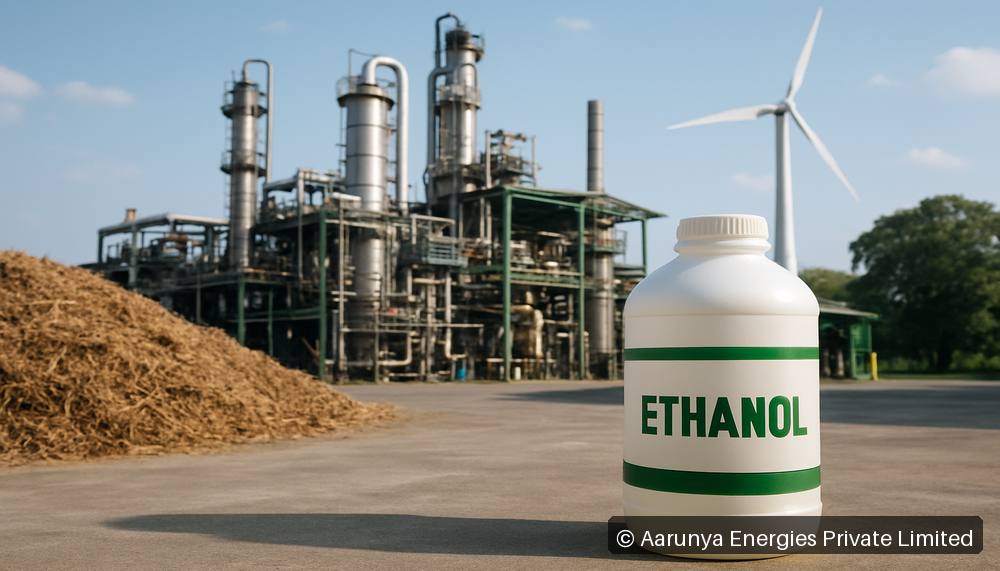
Ethanol production in India has gained significant momentum in recent years, driven by the government's push for renewable energy and the need for sustainable fuel alternatives. However, this growth comes with environmental challenges, particularly in the management of effluent and pollution. Ethanol distilleries, as critical players in this sector, are adopting innovative strategies to address these concerns while ensuring compliance with regulatory standards.
Effluent management is a critical aspect of ethanol production. The distillation process generates various byproducts that can be harmful if not properly treated. Ethanol distilleries are required to implement effluent treatment plants (ETPs) that utilize advanced technologies to treat wastewater before it is discharged into the environment. These ETPs typically employ a combination of physical, chemical, and biological processes to remove pollutants and ensure that the treated effluent meets the permissible limits set by the Central Pollution Control Board (CPCB) in India.
One of the most effective methods being utilized by ethanol distilleries is the use of anaerobic digestion. This biological treatment process not only helps in treating wastewater but also generates biogas, which can be harnessed as a renewable energy source. By integrating anaerobic digestion into their effluent management systems, distilleries are able to reduce their carbon footprint while simultaneously producing clean energy.
In addition to anaerobic digestion, several distilleries are investing in membrane filtration technologies such as microfiltration and ultrafiltration. These technologies allow for the separation of solids and dissolved materials from the wastewater, resulting in cleaner effluent. The filtered water can be recycled back into the production process, minimizing water consumption and enhancing overall efficiency. This closed-loop system significantly reduces the volume of wastewater generated, thereby lessening the environmental impact.
Moreover, ethanol distilleries are increasingly focusing on zero liquid discharge (ZLD) systems. ZLD aims to eliminate wastewater discharge by treating and reusing all water used in the production process. This not only conserves water resources but also reduces the risk of pollution from effluent. By adopting ZLD practices, distilleries contribute to sustainable water management, especially in water-scarce regions of India.
The role of technology extends beyond treatment processes; it also plays a crucial part in monitoring and controlling emissions. Many distilleries are implementing advanced monitoring systems to track air and water quality in real time. This proactive approach enables facilities to identify potential pollution sources and take corrective actions promptly, ensuring compliance with environmental regulations.
In addition to technological advancements, a comprehensive approach to employee training and awareness is vital for effective pollution control. Distilleries are investing in training programs to educate staff about the significance of effluent management and pollution control measures. By fostering a culture of environmental responsibility among employees, distilleries can enhance the effectiveness of their pollution control initiatives.
Collaboration with local communities is also a key strategy for ethanol distilleries. Engaging with local stakeholders helps distilleries understand community concerns and expectations regarding environmental management. This collaborative approach not only aids in building trust but also promotes transparency in operations. Furthermore, distilleries often undertake community initiatives aimed at environmental conservation, thus enhancing their social responsibility profile.
The Indian government, recognizing the importance of sustainable practices in the ethanol sector, has introduced various policies and incentives to encourage distilleries to adopt eco-friendly technologies. By offering financial support and subsidies for pollution control technologies, the government is playing a vital role in driving the industry towards greener practices.
In conclusion, ethanol distilleries in India are making significant strides in managing effluent and controlling pollution. Through the adoption of advanced treatment technologies, implementation of zero liquid discharge systems, and a commitment to employee training and community engagement, these facilities are not only addressing environmental challenges but also paving the way for a sustainable future. As the industry continues to grow, the focus on responsible environmental practices will be essential in ensuring the long-term viability of ethanol production in India.