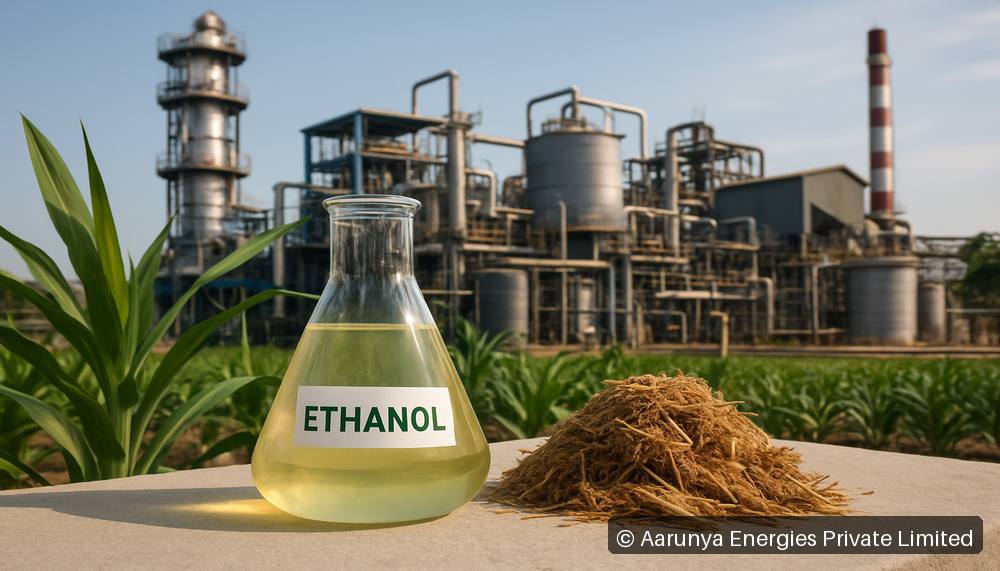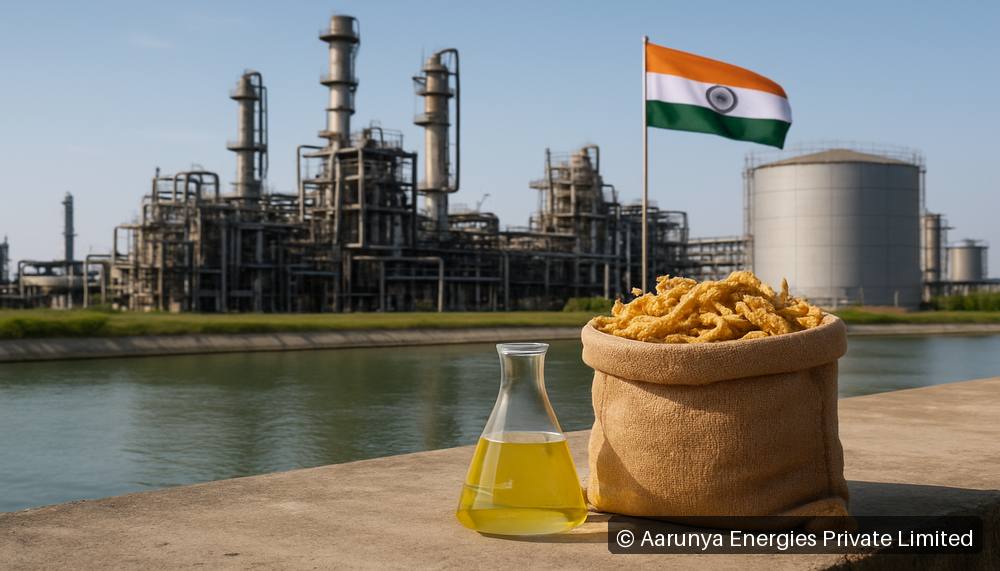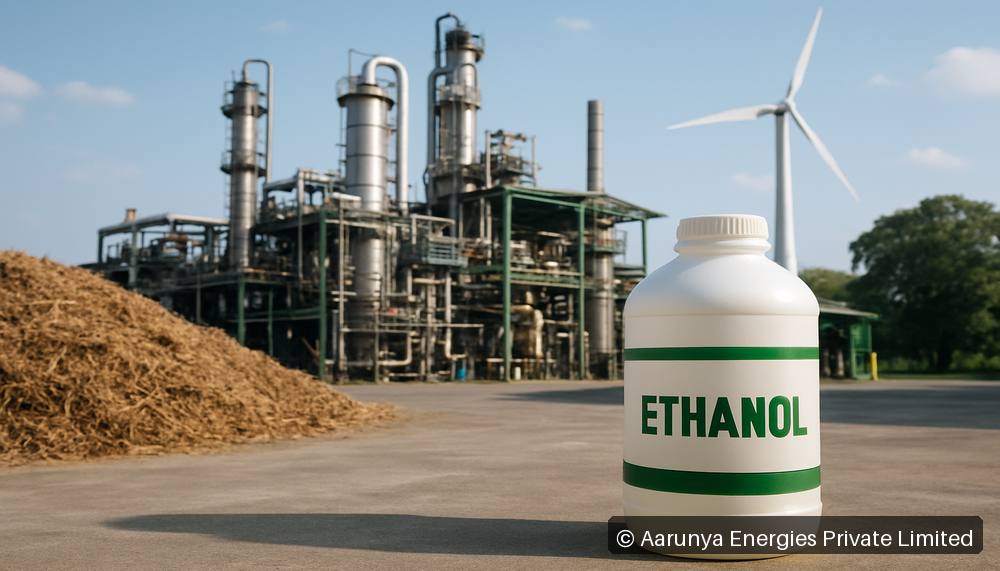
Ethanol production in India has been undergoing rapid transformations, driven by technological innovations and the increasing demand for renewable energy sources. As the country strives to meet its energy needs while reducing carbon emissions, Indian distilleries are at the forefront of adopting advanced technologies that promise to enhance efficiency, lower costs, and improve sustainability in ethanol production.
One of the most significant technological innovations in ethanol production is the adoption of enzymatic hydrolysis. This process involves using enzymes to break down complex carbohydrates into simple sugars, which can then be fermented into ethanol. This method is particularly beneficial for utilizing non-food biomass feedstocks, such as agricultural residues and municipal solid waste, thereby addressing food security concerns while promoting waste management. With India’s vast agricultural sector, enzymatic hydrolysis presents an opportunity to convert surplus crop residues into valuable biofuel, aligning with the government's push for a circular economy.
Another trend gaining traction is the integration of advanced fermentation technologies. Traditional fermentation methods can be time-consuming and less efficient. However, new approaches, such as continuous fermentation and immobilized cell technology, are emerging. These methods enhance the fermentation process, allowing for higher ethanol yields and reduced processing times. Indian distilleries can leverage these innovations to increase their production capacity and meet the growing domestic and international demand for ethanol.
Moreover, the increasing focus on energy efficiency has led to the implementation of advanced distillation techniques. Traditional distillation methods consume a significant amount of energy. However, innovations like membrane distillation and pressure-swing distillation are being explored to minimize energy consumption during the separation of ethanol from fermentation broth. These technologies not only lower operational costs but also contribute to the sustainability goals of distilleries, making them more competitive in the global market.
The integration of digital technologies is also revolutionizing ethanol production. The adoption of IoT (Internet of Things) devices and data analytics is enabling distilleries to monitor and optimize their processes in real-time. By collecting and analyzing data from various stages of production, distilleries can identify inefficiencies and make data-driven decisions to improve overall performance. This technological shift not only enhances productivity but also supports the sustainability agenda by reducing waste and resource consumption.
In addition to these advancements, biotechnology is playing a crucial role in the future of ethanol production. Genetic engineering and synthetic biology are being utilized to develop microbial strains that can ferment sugars more efficiently and tolerate higher ethanol concentrations. This innovation can significantly reduce the costs associated with fermentation and increase the overall yield of ethanol. Indian research institutions and universities are increasingly partnering with distilleries to explore these biotechnological advancements, which may pave the way for breakthroughs in the coming years.
As the Indian government promotes the use of ethanol as a fuel alternative through initiatives like the Ethanol Blending Program, the need for innovation in this sector has never been more critical. The blending of ethanol with petrol not only helps in reducing greenhouse gas emissions but also provides farmers a new revenue stream by converting their agricultural waste into biofuel. Furthermore, the government's commitment to achieving a 20% ethanol blending target by 2025 underscores the urgency for distilleries to adopt innovative technologies to increase production capacity.
Looking ahead, the future of ethanol production in India appears promising, driven by continued investment in research and development, supportive government policies, and the growing recognition of the importance of renewable energy. As Indian distilleries embrace these technological innovations, they will not only enhance their operational efficiency but also contribute significantly to the country's energy security and environmental goals.
In conclusion, the technological innovations in ethanol production are set to redefine the landscape of Indian distilleries. By adopting enzymatic hydrolysis, advanced fermentation techniques, energy-efficient distillation methods, digital technologies, and biotechnological advancements, Indian distilleries can position themselves as leaders in the renewable energy sector. The focus on sustainability, coupled with government support, will drive the future trajectory of ethanol production in India, making it an exciting area to watch in the years to come.