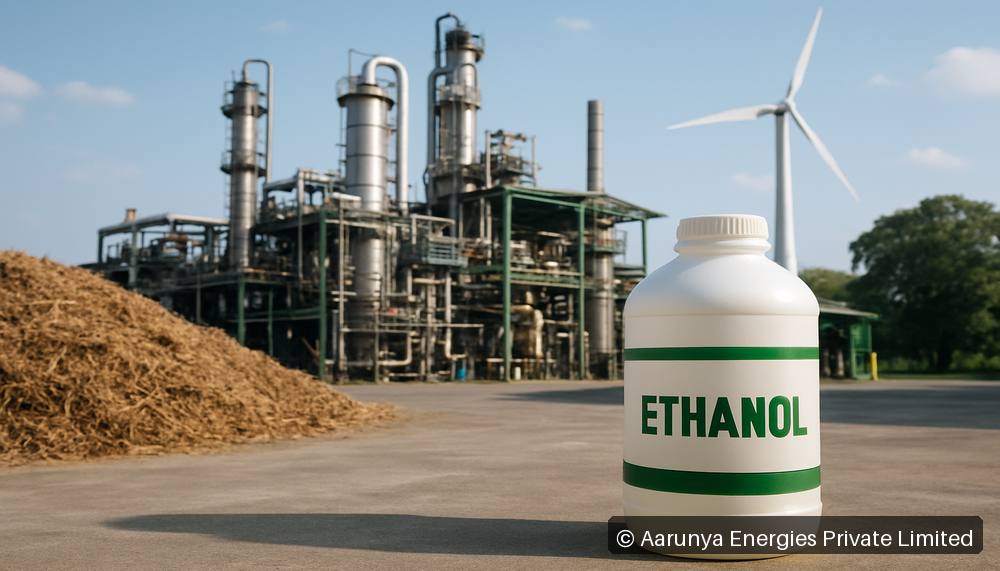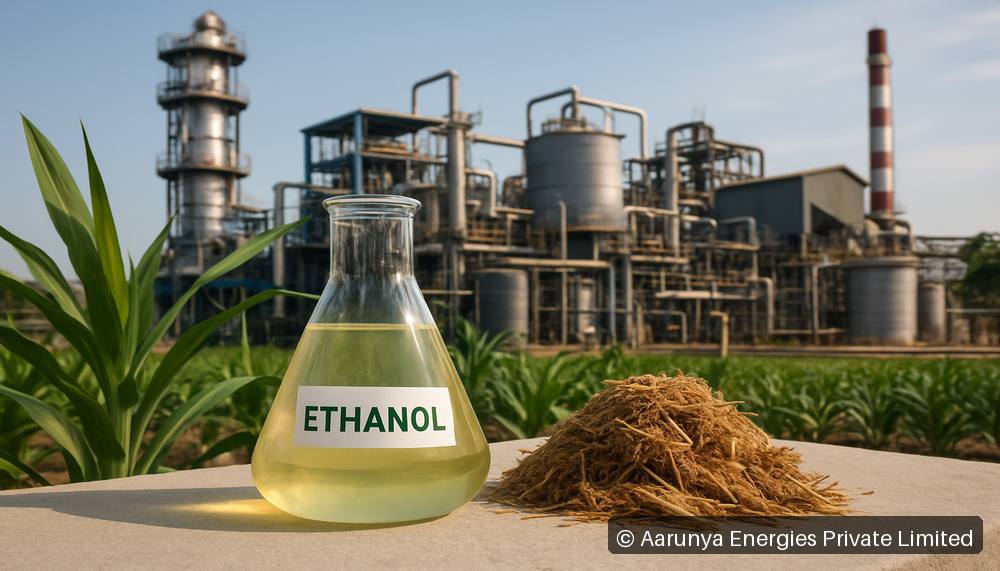
In recent years, the ethanol industry in India has gained significant momentum, largely due to its potential to address energy security and environmental sustainability. One of the key challenges faced by this sector is the management of distillery effluents, which are often laden with organic pollutants. However, innovative wastewater treatment technologies are now transforming these distillery effluents into valuable ethanol, making strides in both sustainability and resource recovery.
Distilleries produce large volumes of wastewater during the fermentation and distillation processes. This effluent is not only a major environmental concern due to its high biochemical oxygen demand (BOD) and chemical oxygen demand (COD) but also poses a risk to local water bodies if not treated properly. Traditional methods of effluent management often involve anaerobic digestion, which, while effective, can be limited in terms of the recovery of usable by-products. Today, new approaches are emerging that harness the potential of this wastewater as a feedstock for ethanol production.
Advanced treatment methods, such as membrane bioreactors (MBRs) and integrated fixed-film activated sludge (IFAS) systems, are increasingly being implemented to enhance the quality of distillery wastewater. MBRs combine biological treatment with membrane filtration, resulting in a high-quality effluent that can be reused or further processed. These systems effectively remove contaminants while allowing for the concentration of organic materials that can be fermented to produce ethanol.
In addition to MBRs, the use of enzymatic hydrolysis has shown promising results in breaking down complex organic compounds present in distillery effluents. This process involves the application of specific enzymes that convert polysaccharides into fermentable sugars, which can then be converted into ethanol through fermentation. By integrating enzymatic hydrolysis with traditional fermentation processes, distilleries can increase the yield of ethanol from their wastewater significantly.
Moreover, the implementation of anaerobic digestion followed by aerobic treatment presents a holistic approach to wastewater management. This method not only minimizes the volume of waste but also generates biogas, which can be utilized as an energy source for the distillation process or for generating electricity. The dual benefit of energy recovery and waste minimization underscores the potential of this approach in achieving a circular economy within the distillery sector.
The Indian government has been proactive in promoting the use of ethanol as a renewable energy source, with various policies aimed at increasing ethanol blending in petrol. This initiative not only reduces dependence on fossil fuels but also encourages the utilization of agricultural waste and by-products, including distillery effluents. By converting wastewater into ethanol, distilleries can contribute to national energy goals while simultaneously addressing environmental concerns.
In addition to these technological advancements, the involvement of research institutions and collaborations with private sectors is crucial for driving innovation in wastewater treatment. By investing in R&D, distilleries can continuously adapt and optimize their processes, ensuring the efficient conversion of effluents into ethanol. Furthermore, public awareness and training programs can enhance the capabilities of personnel working in the industry, leading to better implementation of these innovative solutions.
As India continues to navigate the challenges of energy sustainability and environmental protection, the transformation of distillery effluents into ethanol through innovative wastewater treatment technologies represents a promising avenue. This not only contributes to the circular economy but also supports the country's commitment to renewable energy. With ongoing advancements and support from government policies, distilleries can play a pivotal role in redefining the relationship between waste and resource in the ethanol industry.
In conclusion, the innovative treatment of distillery wastewater is more than just a technological advancement; it is a critical step towards a sustainable future. By harnessing the potential of distillery effluents, India can turn an environmental challenge into an opportunity for renewable energy production, paving the way for a greener and more sustainable economy.