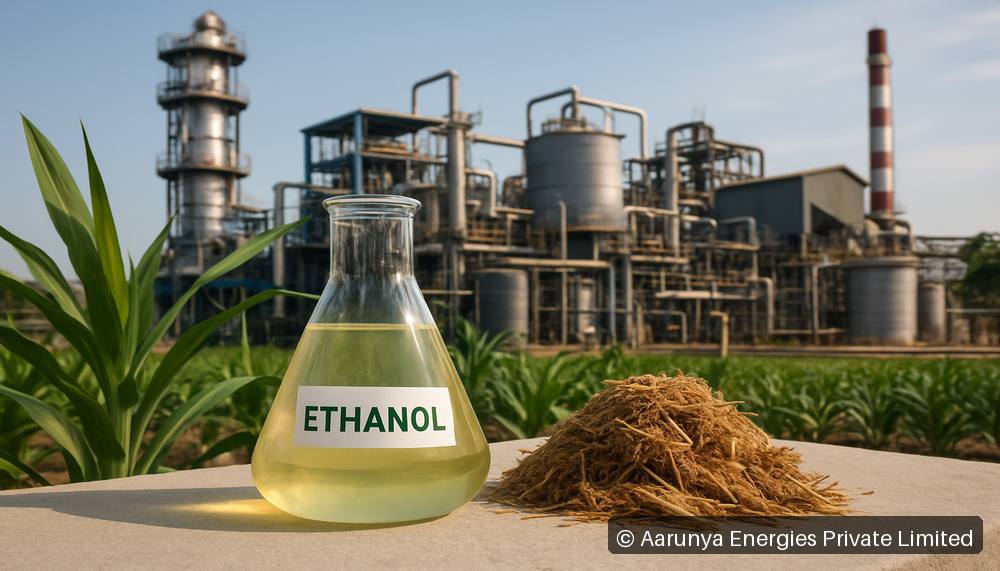
Ethanol production has emerged as a crucial component of India's renewable energy strategy, aimed at reducing dependence on fossil fuels and enhancing energy security. However, the process of producing ethanol, particularly from agricultural feedstocks, raises significant concerns regarding water resources in the country. This article explores the multifaceted impact of ethanol production on India's water resources, highlighting both challenges and potential sustainable solutions.
India, being an agrarian economy, relies heavily on water for its agricultural activities, which are pivotal for the production of ethanol. The primary feedstocks for ethanol in India include sugarcane, corn, and other grains. While these crops play a vital role in the economy, their cultivation demands substantial water resources. Sugarcane, for instance, is known to be a water-intensive crop, requiring around 1,500 liters of water to produce just one liter of ethanol. This places immense pressure on India's already strained water resources.
As climate change exacerbates water scarcity, the competition for water between agricultural needs and industrial demands becomes increasingly evident. The production of ethanol from crops often leads to a diversion of water from essential uses such as drinking water supply and irrigation for food crops. In several regions of India, particularly in drought-prone states, this competition can lead to severe conflicts over water rights, impacting both local farming communities and the economy at large.
Moreover, the process of cultivating biofuel crops can lead to the depletion of groundwater resources. Many farmers resort to deep borewells for irrigation, which exacerbates the already alarming rates of groundwater depletion in India. According to reports, nearly 60% of India’s aquifers are over-exploited, and the increased water demand for ethanol production could further accelerate this trend. This poses a serious threat not only to the agricultural sector but also to the overall water availability for households and industries.
In addition to the direct impacts on water quantity, ethanol production can also affect water quality. The use of fertilizers and pesticides in the cultivation of biofuel crops can lead to runoff that contaminates nearby water bodies. This not only affects aquatic ecosystems but can also impact human health, as polluted water sources are linked to various diseases. Thus, the environmental footprint of ethanol production extends beyond water consumption to include water pollution.
To address these challenges, it is essential to explore sustainable practices in ethanol production. One potential solution is the use of non-food feedstocks for ethanol production, such as agricultural residues, which do not require additional water resources for cultivation. Utilizing waste materials such as sugarcane bagasse, rice husks, and corn stover can significantly reduce the pressure on water resources while providing a sustainable alternative for ethanol production.
Another strategy is the adoption of efficient irrigation practices such as drip irrigation, which can help reduce water consumption in the cultivation of biofuel crops. By optimizing water usage and improving water use efficiency, farmers can produce the necessary feedstocks for ethanol without exacerbating water scarcity.
Furthermore, promoting integrated water management practices at the community level can foster collaboration between agricultural and industrial sectors. This would involve developing policies that encourage sustainable water usage and promote awareness about the importance of conserving water resources. Engaging local communities in decision-making processes can also lead to more effective management of water resources, ensuring that the needs of all stakeholders are considered.
In conclusion, while ethanol production in India presents an opportunity to transition towards renewable energy, its impact on water resources cannot be overlooked. It is imperative for policymakers, industry stakeholders, and farmers to work collaboratively to develop sustainable solutions that balance the demand for ethanol with the need to conserve water resources. By embracing innovative practices and fostering a culture of sustainability, India can ensure that its pursuit of renewable energy does not compromise one of its most vital resources: water.