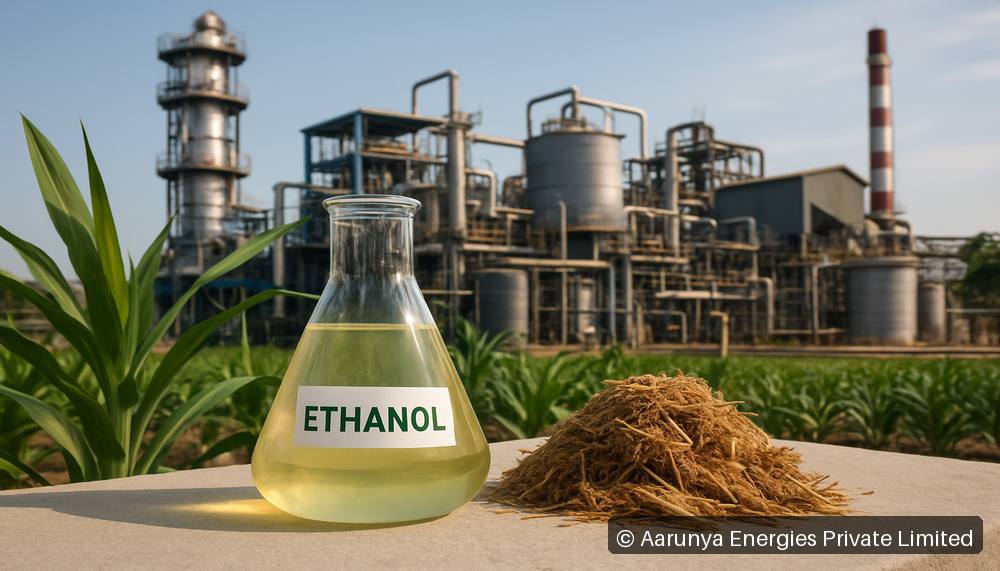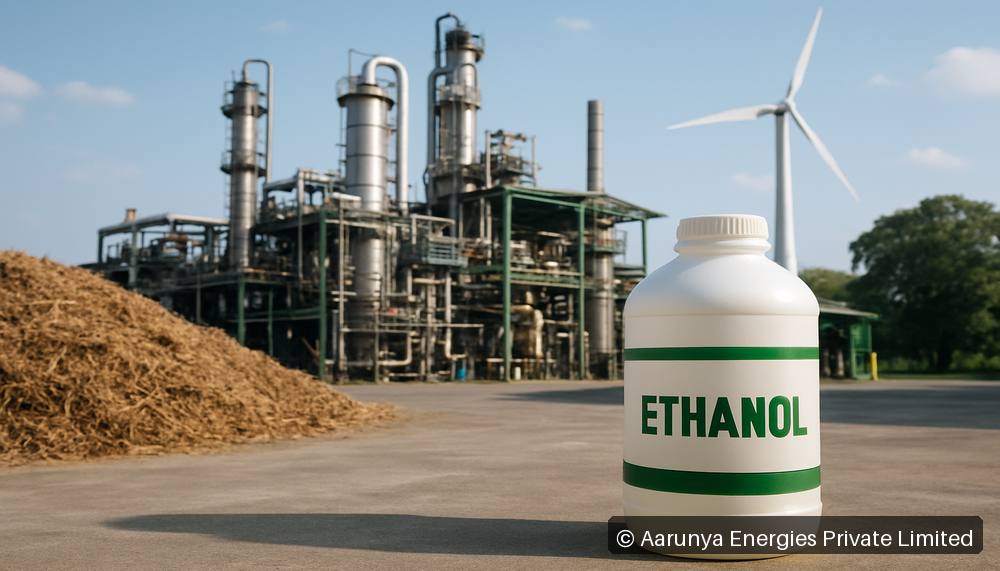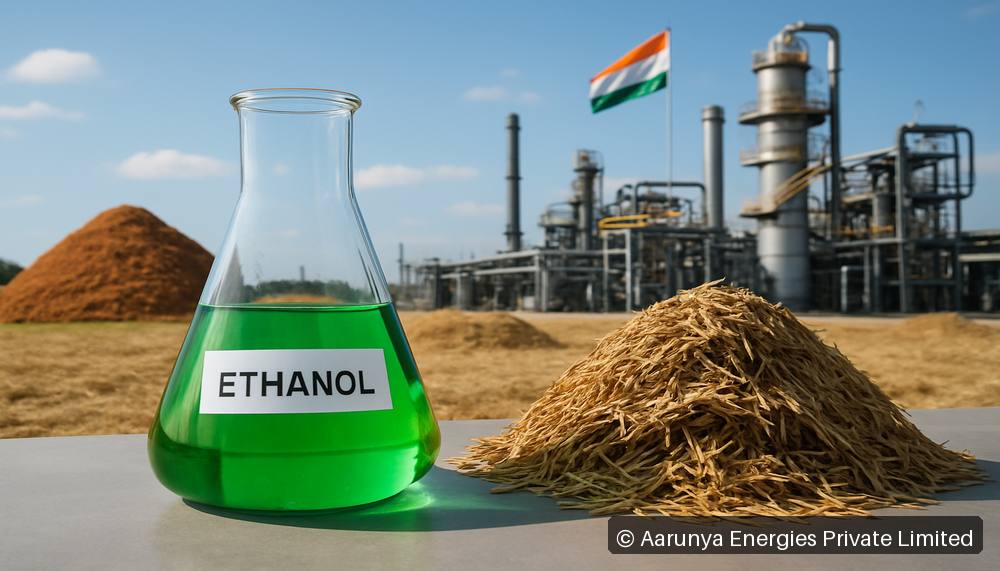
India is one of the largest producers of rice in the world, generating millions of tons of rice straw each year. Traditionally viewed as agricultural waste, rice straw has become a focal point for innovative solutions aimed at tackling environmental challenges and promoting renewable energy. The conversion of rice straw into ethanol is a prime example of how India is turning agricultural waste into a valuable resource, ultimately contributing to a more sustainable future.
Ethanol, a type of alcohol, can be produced from biomass materials through various processes, including fermentation and enzymatic hydrolysis. Rice straw is particularly suitable for ethanol production due to its high cellulose content. By utilizing this agricultural waste, India not only addresses the issue of crop residue burning—which contributes to air pollution—but also creates a renewable energy source that can help reduce dependence on fossil fuels.
The process of converting rice straw into ethanol involves several key stages. Initially, the straw is collected and subjected to pretreatment to break down the complex lignocellulosic structure. This is followed by enzymatic hydrolysis, where enzymes convert the cellulose into fermentable sugars. Finally, yeast is introduced to ferment these sugars into ethanol. The end product can be used as a fuel for vehicles or blended with gasoline, thereby reducing carbon emissions and promoting cleaner air.
The Indian government has recognized the potential of ethanol as a renewable energy source and has implemented various policies to support its production and use. The National Policy on Biofuels aims to enhance the production of biofuels, including ethanol, from various feedstocks, including agricultural residues like rice straw. Furthermore, initiatives such as the Ethanol Blending Program encourage oil marketing companies to blend ethanol with petrol, which not only enhances fuel efficiency but also reduces greenhouse gas emissions.
In addition to government support, several research institutions and private companies are investing in technologies that optimize the conversion of rice straw into ethanol. These innovations are crucial for improving the efficiency and scalability of the ethanol production process. By developing cost-effective methods for pretreatment and fermentation, India can maximize the utilization of rice straw, turning a waste problem into a sustainable energy solution.
One of the significant benefits of producing ethanol from rice straw is its potential impact on rural economies. Farmers can generate additional income by selling their rice straw to biofuel producers instead of burning it. This not only provides financial incentives for farmers but also encourages sustainable agricultural practices. By reducing the practice of burning straw, the initiative contributes to improved air quality and public health.
Moreover, the production of ethanol from agricultural waste aligns with India's commitment to achieving its renewable energy targets. The government aims to increase the share of renewable energy in the country's energy mix, and utilizing rice straw for ethanol production is a step toward this goal. As India continues to explore various renewable energy avenues, the conversion of agricultural waste into fuel presents a sustainable solution that benefits both the environment and the economy.
In conclusion, the conversion of rice straw into ethanol represents a significant opportunity for India to address its agricultural waste challenges while promoting renewable energy. The synergy between sustainable agriculture and energy production can lead to economic growth, environmental protection, and energy security. As India continues to innovate and invest in biofuels, the potential for turning agricultural waste into a valuable energy resource will play a crucial role in shaping a cleaner, greener future.