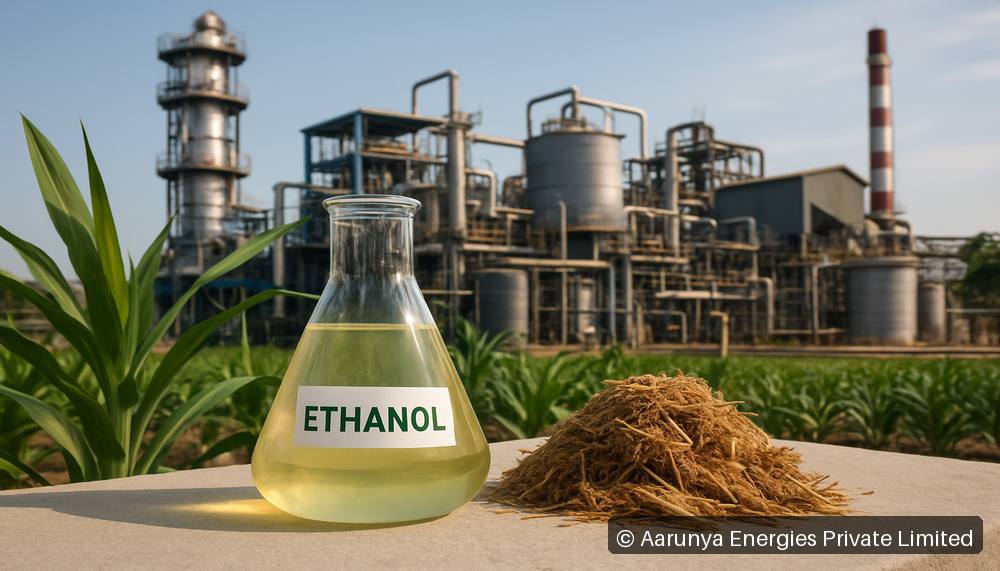
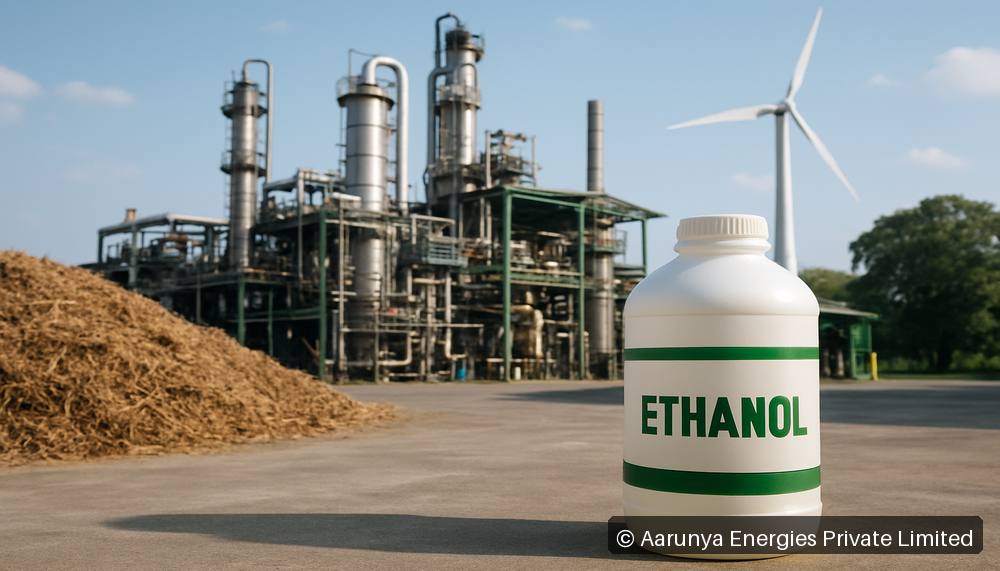
The Indian automotive sector is undergoing a significant transformation with the introduction of flex-fuel vehicles (FFVs) and the blending of ethanol in fuel. This shift is not only a response to rising fuel prices but also a strategic move towards sustainable energy solutions that align with India's environmental goals. Ethanol, primarily derived from agricultural waste, has emerged as a viable alternative to conventional fossil fuels, making it a key player in the country's energy landscape.
Flex-fuel vehicles are designed to operate on multiple fuel types, predominantly ethanol and petrol. This flexibility allows consumers to choose a fuel blend that suits their needs and preferences. With the Indian government encouraging the use of ethanol, the automotive industry is beginning to embrace this transition. The goal is to achieve a 20% ethanol blending in petrol by 2025, a target that reflects the urgency to reduce dependence on imported fossil fuels and promote energy security.
The benefits of ethanol blending are manifold. Firstly, it contributes to reducing greenhouse gas emissions, a pressing concern given the rising levels of pollution in urban areas across India. When compared to petrol, ethanol burns cleaner, resulting in lower carbon emissions. This is particularly crucial for cities like Delhi, which struggle with severe air quality issues. By adopting FFVs, consumers can play a part in combating air pollution and contributing to a healthier environment.
Moreover, the use of ethanol supports the agricultural sector by providing farmers with an additional source of income. Ethanol is produced from crops such as sugarcane, corn, and various agricultural residues. By utilizing these resources, the government aims to create a sustainable cycle where agricultural waste is converted into energy, thus enhancing rural livelihoods and promoting economic growth. This not only benefits farmers but also contributes to the overall stability of the agricultural economy.
In addition to environmental and economic benefits, the rise of flex-fuel vehicles aligns with India's commitment to energy independence. By increasing the production and consumption of domestically produced ethanol, India can reduce its dependency on imported crude oil. This shift not only enhances national security but also stabilizes fuel prices, providing relief to consumers and businesses alike.
The automotive industry is responding to these changes with a range of new models designed to accommodate ethanol blending. Major manufacturers are investing in research and development to enhance the performance of flex-fuel vehicles, ensuring they are efficient and reliable. The introduction of government incentives, such as tax benefits for manufacturers and subsidies for consumers, further accelerates the adoption of these vehicles.
Challenges remain, however. The infrastructure for ethanol production and distribution needs significant enhancement to support the growing demand. Additionally, awareness among consumers regarding the benefits of ethanol blending and flex-fuel vehicles is still limited. Education campaigns and collaboration between the government, manufacturers, and civil society are essential to address these challenges and promote the widespread acceptance of FFVs.
As the Indian auto sector moves forward, the role of ethanol blending will likely continue to expand. The shift to flex-fuel vehicles represents not only a change in technology but also a paradigm shift towards sustainable energy practices that can pave the way for a greener future. By embracing this transition, India can set a benchmark for other countries in the pursuit of sustainable transportation solutions.
In conclusion, flex-fuel vehicles and ethanol blending are reshaping the Indian automotive sector. This transformation is driven by a combination of environmental, economic, and energy independence goals. As the country strives to achieve a greener and more sustainable future, the integration of ethanol in fuel is a critical step in the right direction, promising a cleaner, more efficient, and economically robust automotive landscape.