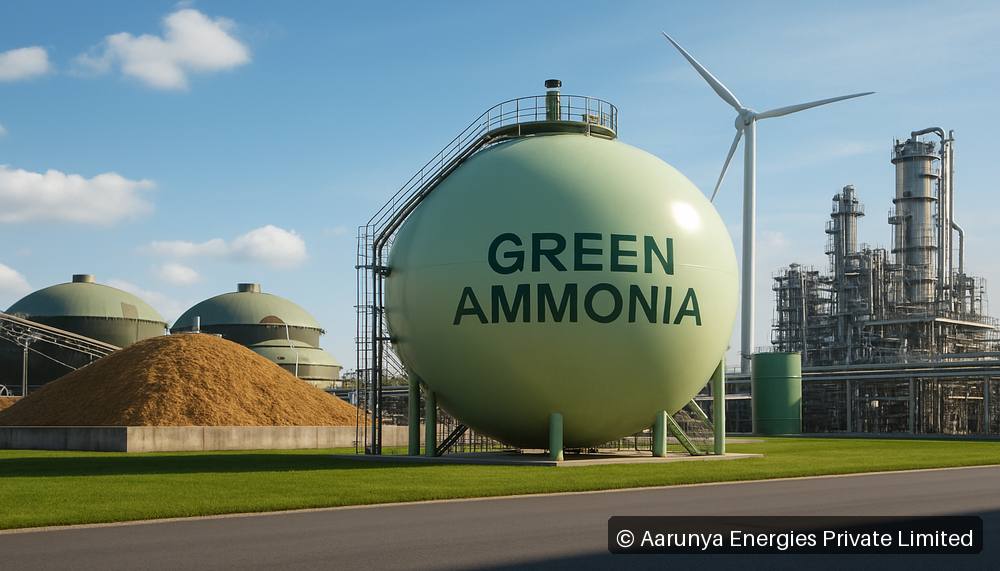
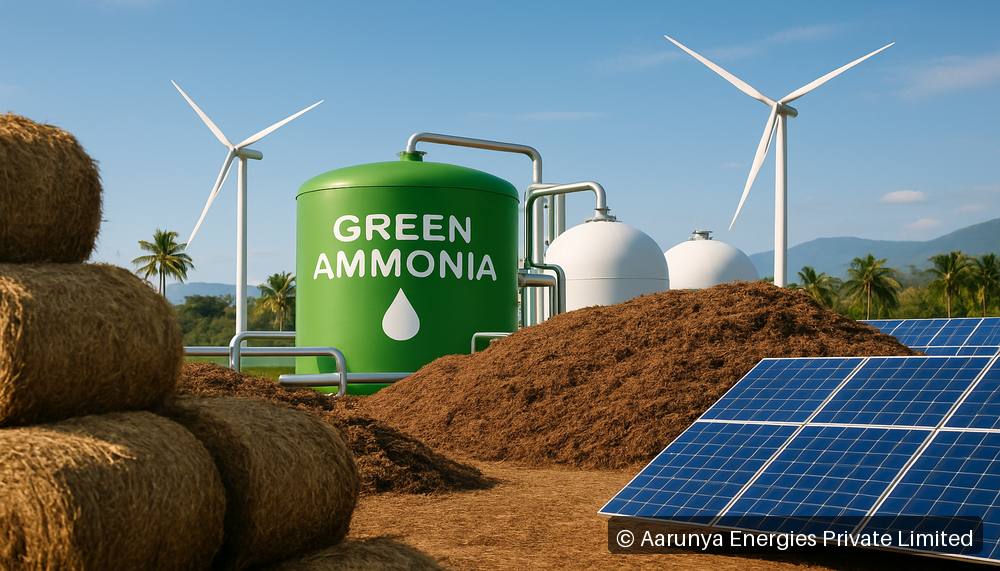
Green ammonia is an emerging concept in the realm of sustainable energy and agriculture. It refers to ammonia produced through renewable energy sources, primarily by using green hydrogen derived from water electrolysis powered by solar or wind energy. The significance of green ammonia lies in its potential to serve as a clean alternative to traditional ammonia, which is primarily produced using fossil fuels, thus contributing to greenhouse gas emissions and other environmental issues.
In India, where agriculture is a cornerstone of the economy, the fertiliser industry plays a vital role in ensuring food security. However, the current fertiliser production methods are heavily reliant on non-renewable resources, leading to significant carbon emissions and environmental degradation. As India strives to meet its climate commitments and enhance its agricultural output, the introduction of green ammonia could be a game-changer.
One of the primary reasons why India's fertiliser industry needs green ammonia is the pressing need for sustainability. Traditional ammonia production contributes to approximately 1.8% of global carbon dioxide emissions. Transitioning to green ammonia can significantly reduce this carbon footprint. The Indian government has set ambitious targets to reduce emissions and increase the share of renewable energy in its overall energy mix. By adopting green ammonia, the fertiliser sector can align itself with these national goals.
Moreover, green ammonia can bolster India's energy security. The country is heavily dependent on imported fossil fuels for ammonia production. By harnessing local renewable energy resources for green ammonia production, India can reduce its reliance on imports, thus enhancing its energy independence. This strategic shift not only promotes self-sufficiency but also protects the economy from the volatility of global fuel prices.
The potential economic benefits of green ammonia are substantial. As the global demand for sustainable agricultural practices increases, India can position itself as a leader in the green ammonia market. This transition could create new job opportunities in renewable energy sectors, technology development, and agriculture. Additionally, farmers can benefit from reduced fertiliser costs as green ammonia becomes more widely available and economically viable.
Implementing green ammonia technology in the fertiliser industry also aligns with the broader goals of the Indian government, such as the 'Make in India' initiative. By fostering local production of green ammonia, the country can stimulate innovation and investment in clean technology. The development of new infrastructure for green ammonia production and distribution will likely attract both domestic and international investments, further driving economic growth.
Furthermore, the integration of green ammonia into farming practices can enhance soil health and crop yield. Traditional fertilisers can lead to soil degradation over time, while green ammonia, being a cleaner alternative, poses less risk to the environment. This shift can contribute to sustainable farming practices, ensuring long-term food security for the growing population.
However, transitioning to green ammonia is not without its challenges. The current infrastructure for ammonia production is predominantly designed for fossil fuel inputs. Significant investments in technology and infrastructure will be necessary to facilitate this transition. Additionally, awareness and training for farmers regarding the benefits and application of green ammonia will be crucial for its successful adoption.
In conclusion, green ammonia represents a transformative opportunity for India's fertiliser industry. By reducing carbon emissions, enhancing energy security, and promoting sustainable agricultural practices, green ammonia can play a pivotal role in shaping a more sustainable future for Indian agriculture. As India continues to grapple with the dual challenges of food security and climate change, embracing green ammonia could prove to be a strategic move towards achieving both objectives. The time for action is now, and the fertiliser industry must take the lead in this green revolution.