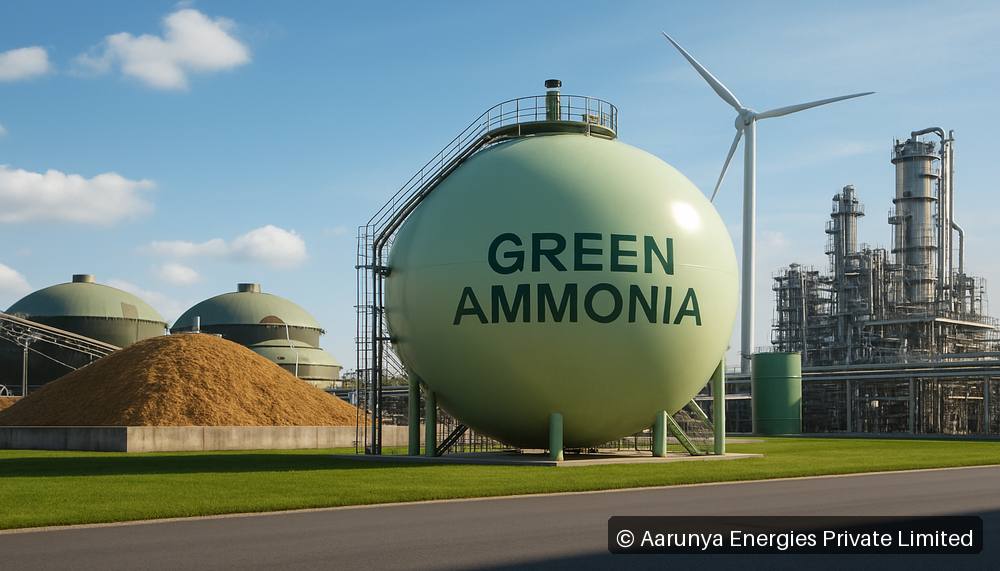
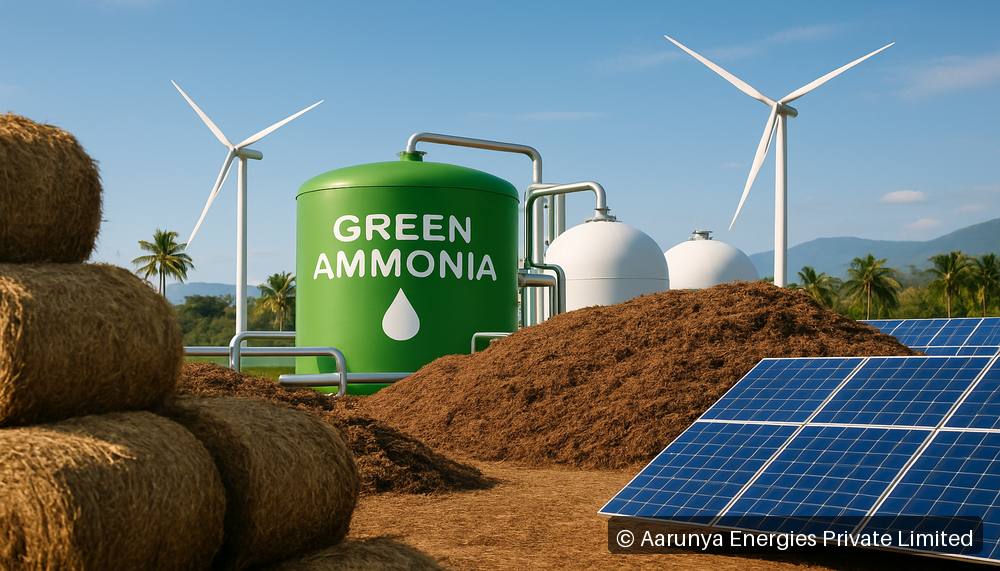
Green ammonia is emerging as a pivotal player in India's renewable energy landscape, offering a sustainable solution for various sectors, including agriculture and energy. As the world pivots towards greener alternatives, India has recognized the immense potential of green ammonia, leveraging its abundant renewable resources to produce this versatile compound. This article delves into the ongoing green ammonia production projects in India, the key players investing in this space, and the geographical hotspots for these initiatives.
Green ammonia is produced by utilizing renewable energy sources to power the electrolysis of water, which generates hydrogen. This hydrogen is then combined with nitrogen extracted from the air to create ammonia. Unlike traditional ammonia production, which relies heavily on fossil fuels, the green ammonia process significantly reduces carbon emissions, making it a crucial component of India's strategy to achieve its climate goals.
Several Indian companies and consortiums are actively investing in green ammonia projects, driven by both government incentives and the growing demand for cleaner energy solutions. Among the prominent players is the Indian Oil Corporation (IOC), which has been exploring various green hydrogen and ammonia initiatives. Their focus is not only on production but also on utilizing these compounds in the company's existing refining processes, thereby enhancing sustainability.
Another significant investment comes from the Fertilizer Association of India, which sees green ammonia as a game changer for the agricultural sector. By substituting traditional fertilizers with green ammonia, the association aims to reduce the carbon footprint of agriculture, promoting a more sustainable farming model.
The state of Gujarat has emerged as a hub for green ammonia projects, thanks to its strategic location, robust infrastructure, and access to renewable energy sources. The Gujarat government has been proactive in promoting green hydrogen and ammonia production, with policies that encourage investment in this sector. Notable projects in Gujarat include collaborations between private players and the state government, focusing on large-scale production facilities using solar and wind energy.
Additionally, the Indian multinational Adani Group is making strides in green ammonia production. The company is planning to set up a green ammonia facility that aligns with its broader vision of becoming a leader in renewable energy. With its extensive resources and commitment to sustainability, Adani Group is poised to significantly impact the green ammonia market in India.
Maharashtra is another state where green ammonia projects are gaining traction. The state has seen interest from various companies looking to harness its renewable energy potential, particularly from solar and wind sources. Recent announcements indicate plans for pilot projects aimed at establishing the feasibility of large-scale green ammonia production in the region.
In recent months, the Indian government has also announced several initiatives to bolster green ammonia production. The National Hydrogen Energy Mission aims to facilitate the development of hydrogen and ammonia production technologies, providing a framework that encourages both private and public sector investments. This mission highlights the importance of green ammonia in achieving energy security and environmental sustainability in India.
As the demand for green ammonia continues to rise, the Indian government and private sector are expected to collaborate closely to drive innovation and investment in this space. The focus will be on creating a robust supply chain that integrates renewable energy production, ammonia synthesis, and distribution channels.
In summary, green ammonia production projects are rapidly gaining momentum across India, with significant investments from both public and private sectors. States like Gujarat and Maharashtra are emerging as key players, supported by strategic government policies aimed at fostering innovation in renewable energy. The future of green ammonia in India looks promising, with the potential to play a crucial role in the country's transition to a sustainable energy future. As these projects develop, they will not only contribute to reducing greenhouse gas emissions but also enhance energy security and create a cleaner environment for future generations.