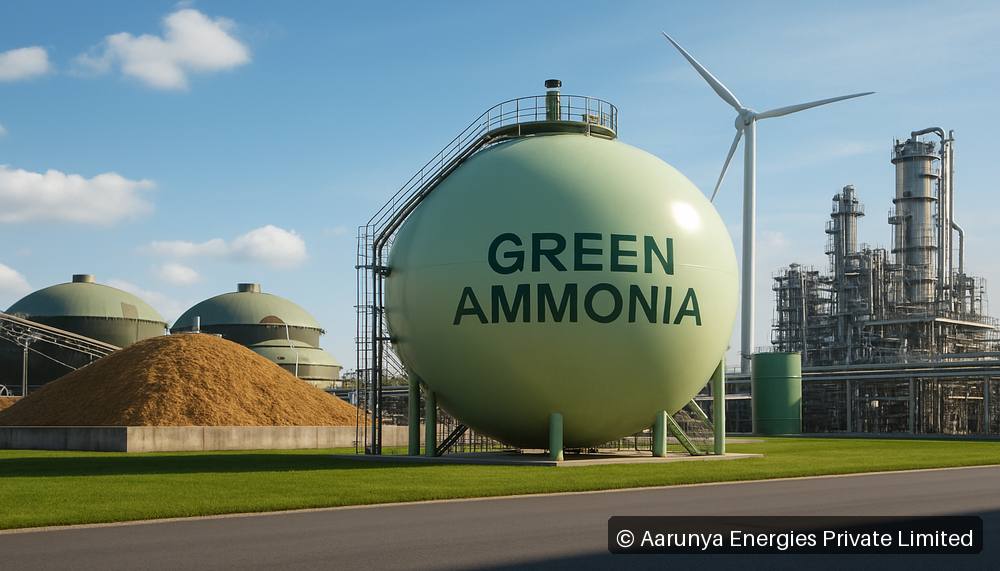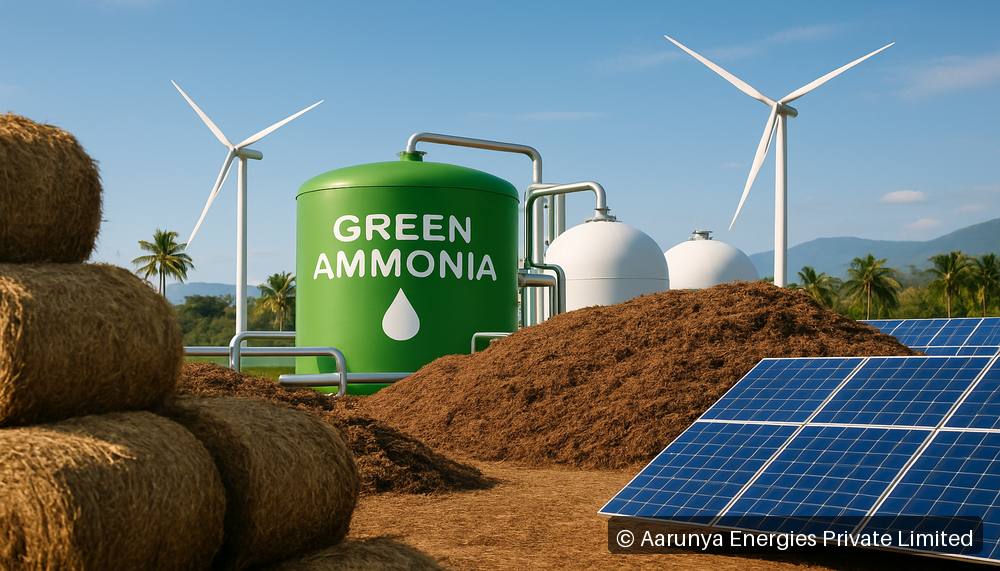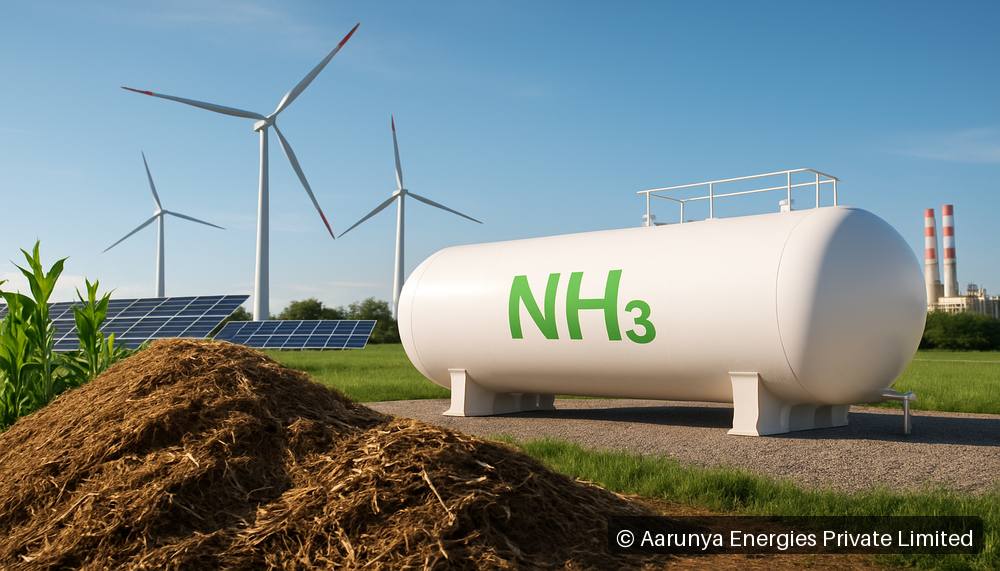
Ammonia is a crucial component in various industries, particularly in agriculture as a fertilizer. Traditionally, ammonia production has relied on fossil fuels, leading to the classification of grey ammonia. In contrast, green ammonia is produced using renewable energy sources, presenting a more sustainable alternative. This article delves into the environmental and economic trade-offs between green and grey ammonia in the context of India.
Grey ammonia is produced through the Haber-Bosch process, utilizing natural gas as both a feedstock and energy source. While this method is efficient and cost-effective, it releases significant amounts of carbon dioxide, contributing to greenhouse gas emissions. In India, where agriculture is a vital sector, the reliance on grey ammonia poses environmental challenges that are increasingly becoming untenable in the face of climate change.
On the other hand, green ammonia is synthesized by combining nitrogen from the air with hydrogen derived from water electrolysis, powered by renewable energy sources such as solar or wind. This process not only eliminates carbon emissions but also aligns with India's commitment to reducing its carbon footprint and transitioning towards renewable energy sources. As the country aims to achieve its renewable energy targets, green ammonia presents a viable solution to meet both agricultural and energy needs sustainably.
From an environmental perspective, the shift from grey to green ammonia could significantly reduce India's carbon footprint. The production of grey ammonia accounts for nearly 1.8% of global CO2 emissions. Transitioning to green ammonia could mitigate these emissions, fostering a healthier ecosystem and contributing to India’s national goals of achieving net-zero emissions by 2070. The environmental benefits are particularly pertinent as India grapples with air pollution and climate change, which threaten agricultural productivity and public health.
Economically, the trade-offs between green and grey ammonia production are significant. Grey ammonia production is currently less expensive and more established, primarily due to the existing infrastructure and technology. However, the volatility of natural gas prices and the long-term costs associated with carbon emissions present economic risks for grey ammonia. As India invests in green technologies, the costs associated with green ammonia production are expected to decrease over time, making it increasingly competitive.
Moreover, the government of India has been proactive in promoting green energy initiatives, which could provide financial incentives for green ammonia production. Investments in renewable energy infrastructure, such as solar parks and wind farms, can facilitate the transition to green ammonia. Additionally, the development of carbon credit markets can further incentivize industries to adopt greener technologies, thereby enhancing the economic viability of green ammonia.
The agricultural sector in India stands to benefit significantly from the adoption of green ammonia. Fertilizers produced from green ammonia can enhance soil health without the adverse environmental impacts associated with synthetic fertilizers. This shift can lead to more sustainable agricultural practices, ultimately improving food security in the country.
However, there are challenges to overcome. The initial capital investment for green ammonia production facilities is high, and the technology is still in its developmental stages. Educational initiatives and training programs are essential to build a workforce skilled in green technologies. Furthermore, public awareness campaigns can help farmers understand the benefits of switching to green ammonia fertilizers, ensuring a smoother transition.
In conclusion, the trade-offs between green and grey ammonia in India present both challenges and opportunities. While grey ammonia remains the more economical option in the short term, the long-term environmental and economic benefits of transitioning to green ammonia are undeniable. By investing in renewable energy and green technologies, India can pave the way for a more sustainable future, ensuring food security while significantly reducing its carbon footprint. The journey towards adopting green ammonia is not just about energy production; it is about redefining India's agricultural and environmental landscape for generations to come.