In recent years, India has emerged as a significant player in the global renewable energy landscape. With a commitment to achieving 500 GW of non-fossil fuel energy capacity by 2030, the country is focusing on various renewable sources, including solar, wind, and biomass. Among these, biomass power holds a unique position, especially when coupled with Green Energy Certificates (RECs). This article delves into the relationship between RECs and biomass power, highlighting their significance in India's renewable energy mix.
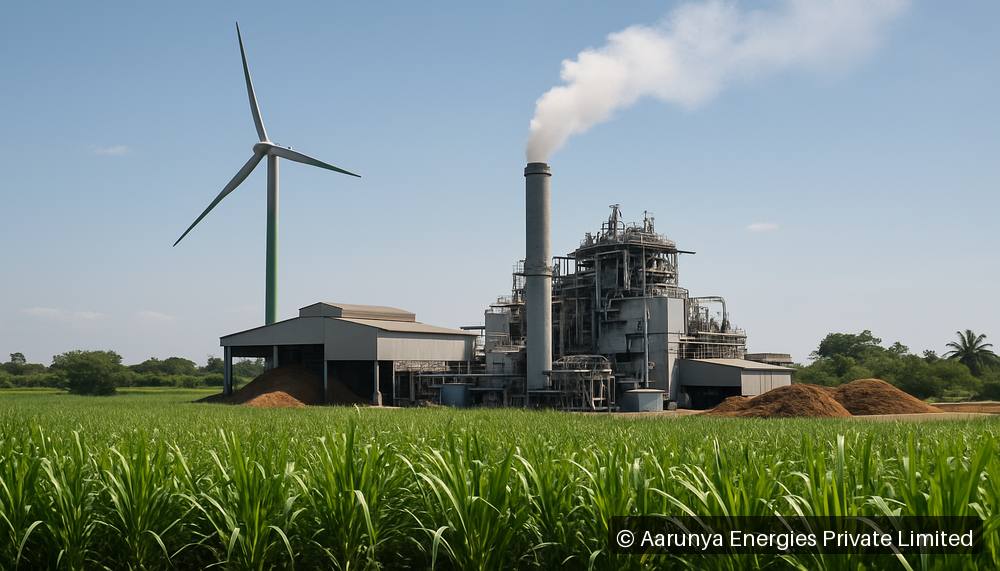
Biomass energy, derived from organic materials such as agricultural waste, forest residues, and even municipal solid waste, presents a sustainable solution to energy demands while contributing to environmental conservation. Biomass power plants convert these materials into energy, providing an alternative to traditional fossil fuels. The utilization of biomass not only helps reduce greenhouse gas emissions but also promotes rural development by creating job opportunities and enhancing energy security.
Green Energy Certificates (RECs) play a crucial role in supporting renewable energy projects in India. These certificates serve as a market-based instrument that facilitates the trade of renewable energy. Each REC represents one megawatt-hour (MWh) of renewable energy generated and can be bought and sold in the marketplace. This system incentivizes the generation of renewable energy, including biomass, by allowing producers to earn additional revenue through the sale of RECs.
The REC framework in India was established to promote renewable energy generation and help achieve the country’s renewable energy targets. It provides a mechanism for compliance with renewable purchase obligations (RPO), which mandate that electricity distribution companies (DISCOMs) purchase a certain percentage of their total power from renewable sources. By purchasing RECs, DISCOMs can meet these obligations while supporting the growth of biomass power and other renewable energy sectors.
For biomass power projects, the integration of RECs can significantly enhance their financial viability. Many biomass projects face challenges related to initial investment costs and operational expenses. By leveraging the REC mechanism, biomass power producers can secure additional income, thereby improving their return on investment. This, in turn, encourages more investments in biomass energy infrastructure and technology, fostering innovation and efficiency.
In India, the biomass power sector has experienced substantial growth, with numerous projects being commissioned across the country. States such as Punjab, Haryana, and Maharashtra have been at the forefront of biomass energy production. By utilizing agricultural residues, these regions are not only addressing energy needs but also managing waste that would otherwise contribute to pollution and environmental degradation.
The government of India has been proactive in promoting biomass power as part of its broader renewable energy strategy. Initiatives such as the National Biofuel Policy and various financial incentives for biomass energy projects underscore the importance of this sector in achieving energy transition goals. Furthermore, the government has set ambitious targets for biomass energy, aiming to contribute significantly to the nation’s total energy generation capacity.
However, challenges remain for the biomass power sector in India. Issues such as feedstock availability, transportation logistics, and market fluctuations can impact the sustainability of biomass projects. Additionally, raising awareness about the benefits of biomass energy among stakeholders and the public is essential for fostering a supportive ecosystem. The REC mechanism can help address some of these challenges by creating a reliable revenue stream for producers.
In conclusion, Green Energy Certificates and biomass power are integral components of India's renewable energy landscape. The REC framework not only incentivizes the generation of biomass energy but also supports the country's efforts to transition towards a sustainable energy future. As India continues to expand its renewable energy capacity, the synergy between RECs and biomass power will play a pivotal role in achieving environmental, economic, and social objectives. With sustained government support and industry collaboration, biomass power can significantly contribute to India’s renewable energy mix, creating a greener and more sustainable future.