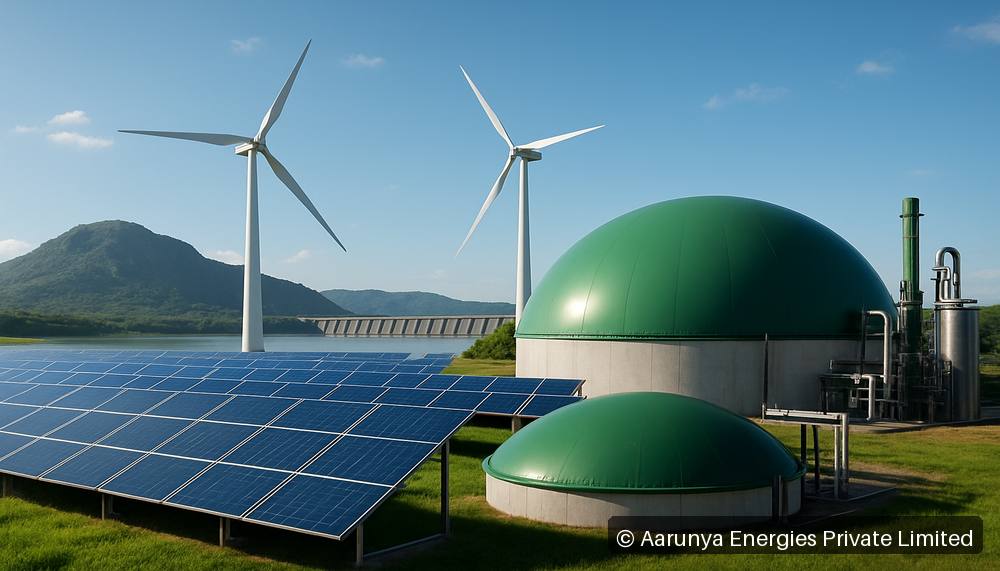
The world is rapidly moving towards sustainable energy solutions, and India is at the forefront of this evolution. Hybrid renewable energy projects, which combine multiple energy sources to create a more reliable, efficient, and sustainable energy system, are gaining traction across the country. This article delves into the synergy of solar, wind, and biomass energy in India, illustrating how these sources can complement each other to address the growing energy demands.
India is endowed with abundant natural resources, making it a prime candidate for harnessing renewable energy. The country has set ambitious targets to achieve 500 GW of non-fossil fuel energy capacity by 2030, of which hybrid projects play an essential role. By integrating solar, wind, and biomass energy, India can optimize its energy production while reducing dependence on fossil fuels.
Solar energy is one of the most widely adopted renewable sources in India, thanks to its geographical advantage. With over 300 sunny days a year, solar power generation is a viable option, especially in states like Rajasthan, Gujarat, and Maharashtra. On the other hand, wind energy is predominantly harnessed in coastal regions and elevated terrains, with states like Tamil Nadu and Karnataka leading in wind energy capacity. Biomass energy, derived from organic materials such as agricultural waste, wood, and other biological materials, provides a localized energy solution that can effectively complement solar and wind energy.
The integration of these three energy sources in hybrid projects creates a stable and reliable energy supply, minimizing the intermittent nature of solar and wind energy. For instance, solar energy generation peaks during the day, while wind energy typically has higher output during the evening and night. By combining these sources, energy production can be more evenly distributed throughout the day and night.
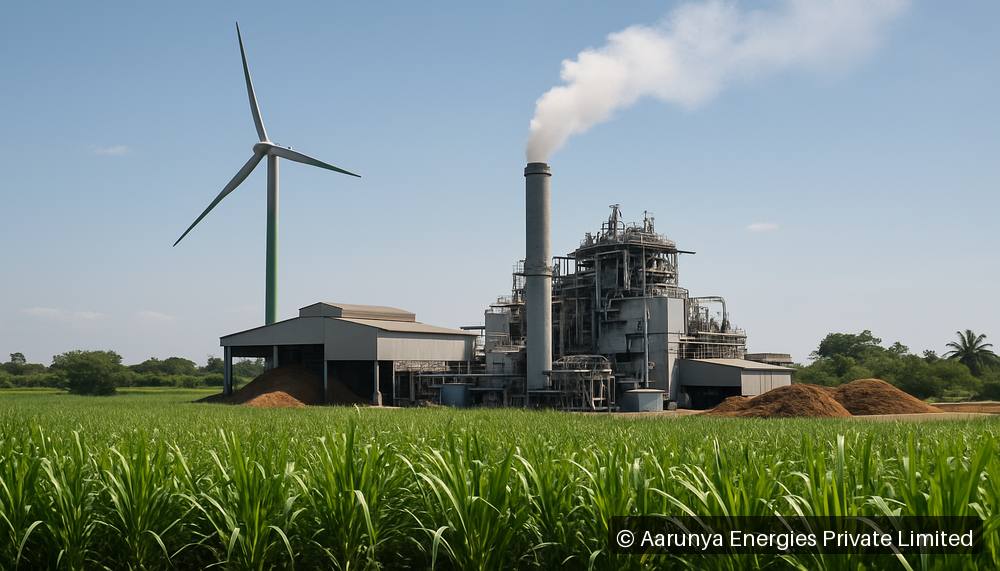
Biomass energy plays a critical role in this hybrid approach, as it can provide a constant and controllable energy output. Biomass can be converted into solid biofuels like briquettes and pellets, which can be used in power generation. This not only helps in utilizing waste but also contributes to reducing greenhouse gas emissions. Biomass energy can act as a backup during periods of low solar and wind energy output, ensuring a consistent supply.
Moreover, hybrid systems can lead to improved efficiency and lower costs. The operational efficiency of hybrid systems can significantly outpace that of standalone solar or wind projects. For example, incorporating biomass into a solar-wind hybrid system can reduce the need for energy storage solutions, which are often expensive and complex. This approach not only optimizes resource utilization but also enhances energy security.
In India, several states are already implementing hybrid renewable energy projects. The government has introduced policies and incentives to promote the development of these systems, recognizing their potential to meet energy needs sustainably. Additionally, the introduction of the Renewable Purchase Obligation (RPO) has encouraged utilities to procure renewable energy from hybrid projects, further driving investment in this sector.
The challenges of implementing hybrid renewable energy projects in India include regulatory hurdles, the initial investment required, and the need for technological advancements. However, with the increasing focus on sustainability and the global shift towards renewable energy, investment in hybrid projects is expected to rise. Collaboration between the public and private sectors, along with technological innovations, will be critical in overcoming these challenges.
In conclusion, hybrid renewable energy projects that combine solar, wind, and biomass have tremendous potential to transform India's energy landscape. By leveraging the strengths of each energy source, these projects can provide a consistent, efficient, and sustainable energy supply. As India moves towards its ambitious renewable energy targets, hybrid projects will play a crucial role in achieving energy security and reducing carbon emissions, ultimately paving the way for a greener future.