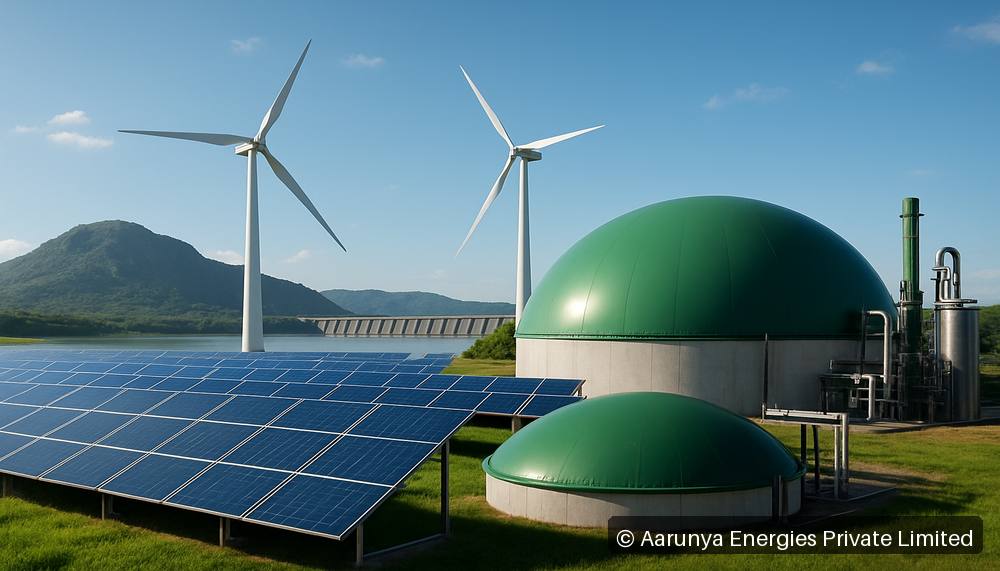
As India continues to ramp up its renewable energy capacity, particularly in solar and wind, the challenge of power intermittency has become increasingly apparent. Solar and wind energy sources, while abundant and sustainable, are inherently variable. The sun doesn’t shine all day, and the wind doesn’t blow consistently. This is where pumped hydro storage (PHS) technology emerges as a viable solution, poised to stabilize the energy grid and ensure a reliable supply of electricity.
Pumped hydro storage works by using surplus energy to pump water from a lower reservoir to an upper reservoir during periods of low energy demand or high renewable output. When the demand for electricity increases, water from the upper reservoir is released back down to the lower reservoir, passing through turbines that generate electricity. This method not only allows for energy storage but also enables the immediate dispatch of power when needed, thereby addressing the intermittency of solar and wind energy.
In India, the government has set ambitious targets for renewable energy, aiming for 500 GW of non-fossil fuel capacity by 2030. With solar and wind power anticipated to be the backbone of this renewable energy strategy, incorporating pumped hydro storage is critical. Currently, India has several pumped hydro storage projects in operation, with the largest being the 1,450 MW Tehri Dam project in Uttarakhand and the 1,200 MW Sardar Sarovar project in Gujarat. These projects not only provide energy storage but also contribute to grid stability and reliability.
The geographical diversity of India offers significant potential for pumped hydro storage. The country’s hilly terrains, rivers, and existing dam infrastructures can be leveraged to create new PHS facilities. For example, the northeastern states of India, known for their abundant water resources and elevation differences, could be ideal locations for new pumped hydro projects. Moreover, these projects can also support local economies by generating jobs and promoting sustainable development.
However, the development of pumped hydro storage in India is not without challenges. The high initial capital investment required for PHS infrastructure can be a barrier to entry. Furthermore, environmental concerns, including the ecological impact on local ecosystems and communities, must be carefully evaluated. To address these issues, collaboration between government agencies, private investors, and local communities is essential to ensure that projects are sustainable and beneficial for all stakeholders.
In addition to its potential for energy storage, pumped hydro storage can also help in balancing the grid. As more intermittent renewable energy sources are added to the grid, the need for flexible and responsive energy solutions becomes paramount. PHS can provide ancillary services such as frequency regulation and voltage control, which are critical for maintaining grid stability, particularly during peak demand periods. This capability enhances the overall resilience of the energy system, making it better equipped to handle fluctuations in supply and demand.
The integration of pumped hydro storage with solar and wind energy can also spur innovation in energy management and grid technology. Advanced forecasting models can be developed to predict when solar and wind generation will peak, allowing PHS operators to strategically manage their resources. This synergy not only optimizes the use of renewable energy but also contributes to a lower carbon footprint by reducing reliance on fossil fuels during peak demand.
As India continues its transition to a sustainable energy future, the role of pumped hydro storage cannot be overstated. It represents a critical component of a resilient energy infrastructure capable of supporting the country’s renewable energy goals. By investing in PHS technology, India can effectively address the challenges posed by solar and wind power intermittency, ensuring a stable, reliable, and sustainable energy supply for generations to come.
In conclusion, pumped hydro storage is more than just a solution to energy storage; it is a key enabler of India's renewable energy ambitions. With careful planning, investment, and collaboration, India can harness this technology to not only meet its energy needs but also lead the way in the global transition to clean energy.