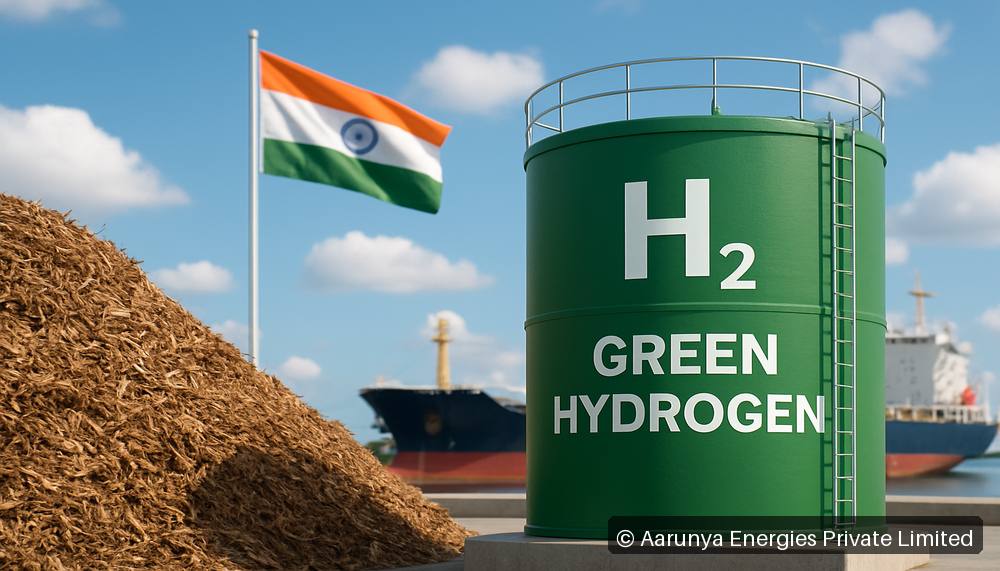
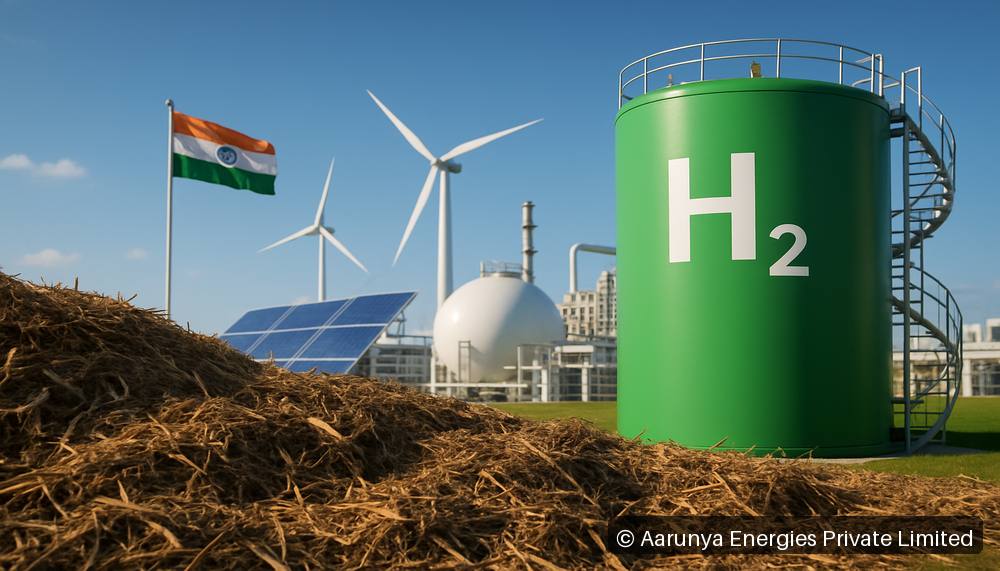
As the world moves towards sustainable energy solutions, green hydrogen has emerged as a vital player in the clean fuel sector. Green hydrogen, produced through the electrolysis of water using renewable energy sources, offers a zero-emission alternative to conventional fossil fuels. India, with its vast renewable resources and growing technological capabilities, stands at the forefront of this emerging market, raising the question: can India become a global clean fuel supplier in the form of green hydrogen?
India's commitment to transitioning to a cleaner energy economy is driven by both environmental and economic imperatives. With the government setting ambitious targets under the National Hydrogen Mission, the country aims to produce 5 million tonnes of green hydrogen annually by 2030. This target not only showcases India's aspirations but also its potential to tap into the burgeoning international market for green hydrogen, which is expected to reach USD 700 billion by 2030.
One of the primary factors contributing to India’s green hydrogen export potential is its unique geographical advantage. The country is endowed with abundant renewable energy resources, particularly solar and wind energy. With a significant portion of its land area receiving high solar insolation, India can generate vast amounts of electricity from solar photovoltaic systems. By utilizing this renewable energy to produce green hydrogen, India can effectively position itself as a major player in the global hydrogen market.
Moreover, India's existing infrastructure for energy distribution and its growing investment in green technologies create a conducive environment for the development of a robust green hydrogen economy. The establishment of electrolyzer manufacturing facilities, coupled with government incentives and public-private partnerships, can accelerate the production of green hydrogen at a competitive cost. This is crucial as the global demand for clean fuel continues to rise, driven by commitments from various countries to achieve net-zero emissions.
In addition to domestic demand, there is a significant opportunity for India to export green hydrogen to countries that are heavily investing in clean energy solutions. Japan, South Korea, and several European nations are already exploring avenues to import green hydrogen. By positioning itself as a reliable supplier, India can not only boost its economy but also enhance its geopolitical standing as a leader in the transition to sustainable energy.
However, several challenges need to be addressed for India to realize its green hydrogen export potential. One of the key challenges is the development of a comprehensive regulatory framework that supports green hydrogen production, transportation, and storage. Regulatory clarity will be essential to attract foreign investments and ensure safe and efficient operations in the hydrogen sector.
Additionally, the cost of production remains a critical factor. Advances in technology are necessary to reduce the cost of electrolyzers and other related equipment. The government can play a pivotal role in fostering research and development initiatives that focus on innovative technologies to make green hydrogen production more cost-effective.
Another challenge lies in the infrastructure needed for the transportation and distribution of green hydrogen. Developing a network of pipelines and storage facilities that can accommodate hydrogen will be crucial for both domestic use and export. Collaboration between various stakeholders, including government bodies, private companies, and research institutions, will be vital in overcoming these hurdles.
Despite these challenges, the future of green hydrogen in India looks promising. With the right policies and investments, India can not only meet its energy needs sustainably but can also emerge as a leading exporter of green hydrogen. The global shift towards clean energy solutions presents a unique opportunity for India to leverage its renewable energy resources, technological advancements, and strategic partnerships.
In conclusion, India has the potential to become a global clean fuel supplier through the development and export of green hydrogen. As the nation strives to achieve its climate goals and enhance energy security, the emphasis on green hydrogen will be pivotal. By addressing the existing challenges and harnessing its strengths, India can position itself as a key player in the global energy transition, contributing significantly to a sustainable future for generations to come.