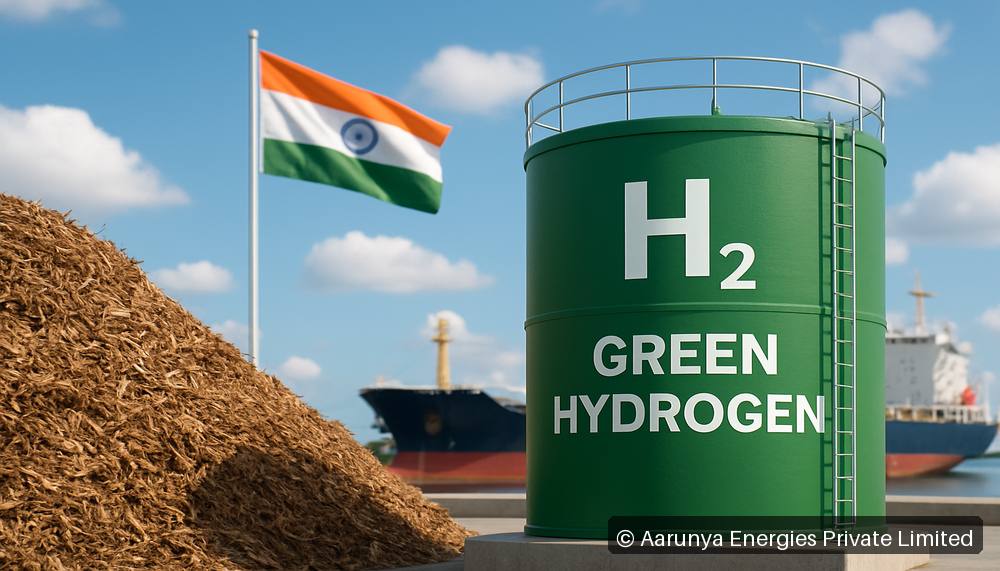
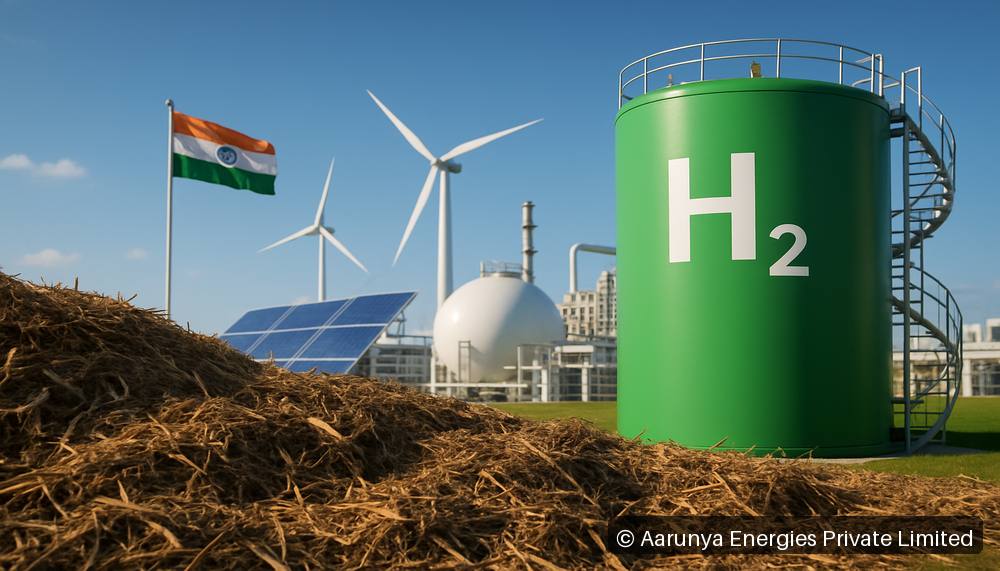
The Indian steel industry is one of the largest consumers of energy and a significant contributor to greenhouse gas emissions. As the world increasingly shifts towards sustainable practices, the demand for cleaner alternatives in steel production is paramount. One promising solution is the integration of green hydrogen into the blast furnace process, which could revolutionize the industry and significantly reduce its carbon footprint.
Green hydrogen, produced through the electrolysis of water using renewable energy sources, offers a clean alternative to traditional fossil fuels used in steelmaking. Unlike conventional methods that rely on coking coal, which emits a substantial amount of CO2, green hydrogen emits only water vapor when utilized. This shift not only aligns with global climate goals but also positions India as a leader in the transition to sustainable steel production.
The blast furnace is a key component in steelmaking, where iron ore is transformed into molten iron. Traditionally, this process involves the reduction of iron ore using coke, which contributes to high carbon emissions. By substituting coke with green hydrogen, the reduction process can be modified, resulting in direct reduction of iron (DRI) with water being the only byproduct. This innovative approach not only curtails carbon emissions but also enhances the overall efficiency of the steel production process.
India’s ambitious commitment to reduce its carbon emissions by 33-35% by 2030 underscores the urgency to adopt cleaner technologies. The steel sector, accounting for approximately 7% of global CO2 emissions, plays a crucial role in meeting these targets. Implementing green hydrogen in blast furnaces could lead to a significant reduction in emissions, aligning the steel industry with national and global sustainability goals.
The integration of green hydrogen technology in India’s steel sector is supported by various governmental initiatives aimed at promoting renewable energy and green technologies. The National Policy on Biofuels and the National Hydrogen Mission are pivotal in encouraging investment and development in green hydrogen production. Moreover, India’s vast renewable energy resources, particularly in solar and wind, provide an ideal backdrop for generating the electricity needed for hydrogen production.
Transitioning to green hydrogen is not without challenges. The initial investment for the infrastructure required for hydrogen production, storage, and distribution can be substantial. However, as technology advances and economies of scale are realized, the costs are expected to decrease, making green hydrogen more accessible. Collaborations between steel manufacturers, energy providers, and research institutions will be essential for developing cost-effective solutions and establishing a robust hydrogen economy.
Furthermore, the Indian steel industry must also focus on workforce training and development to ensure that employees are equipped with the necessary skills to operate and maintain new technologies. This will not only enhance productivity but also foster a culture of innovation within the industry.
In conclusion, the adoption of green hydrogen in the Indian steel industry represents a transformative opportunity for decarbonizing blast furnace operations. By shifting from carbon-intensive processes to cleaner, hydrogen-based methods, India can significantly reduce its greenhouse gas emissions, contribute to global climate goals, and solidify its position as a leader in sustainable steel production. As the world embraces a greener future, the steel industry must adapt and innovate, paving the way for a sustainable and resilient economy.