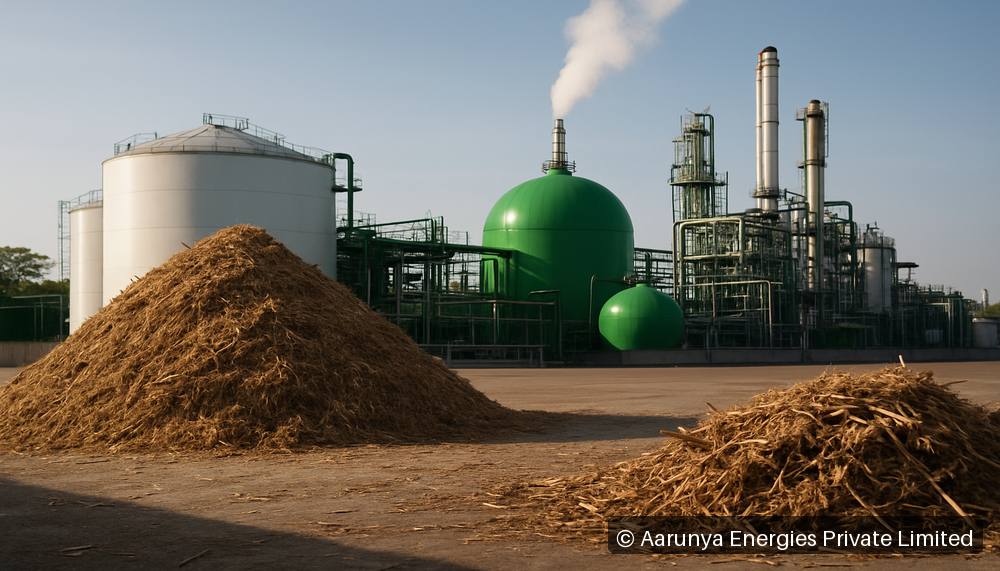
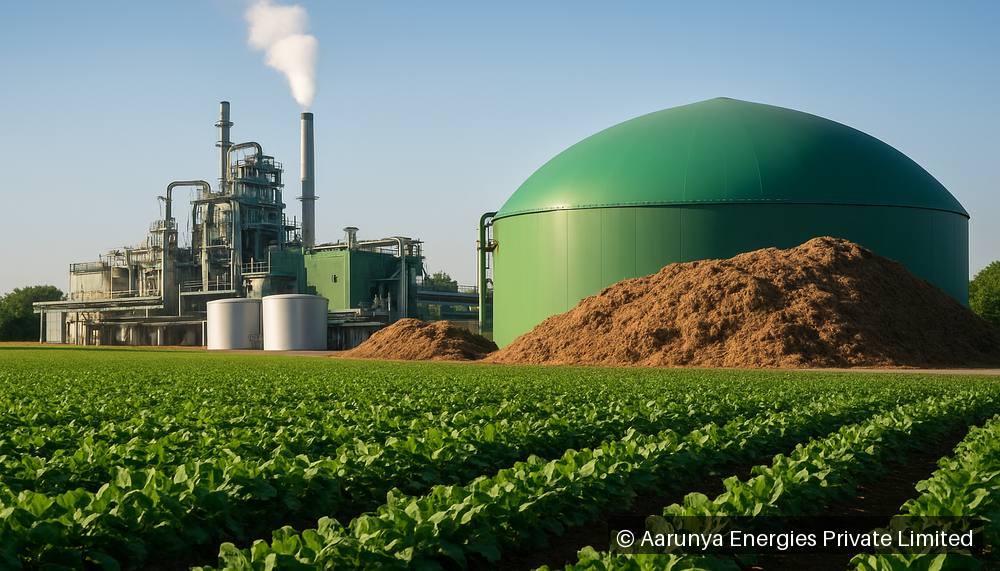
The agricultural sector is a cornerstone of the Indian economy, contributing significantly to GDP and employment. However, the environmental impact of traditional fertiliser production and usage presents a pressing challenge. This is where green urea comes into play, offering a promising pathway for the fertiliser industry in India to achieve carbon neutrality. Green urea is produced using renewable energy sources, presenting a sustainable alternative to conventional urea derived from fossil fuels. This article delves into the potential of green urea in India and whether the fertiliser industry can transition towards a carbon-neutral future.
The concept of carbon neutrality in agriculture is increasingly relevant as climate change continues to pose threats to food security and environmental sustainability. Traditional urea production, primarily through the Haber-Bosch process, relies heavily on natural gas, emitting significant carbon dioxide (CO2) and other greenhouse gases. By contrast, green urea production utilizes renewable energy, such as solar or wind power, to reduce these emissions drastically.
Green urea generation involves using green hydrogen, produced through electrolysis of water using renewable energy, combined with nitrogen from the atmosphere. This innovative approach not only minimizes the carbon footprint associated with fertiliser production but also aligns with India's commitment to reducing greenhouse gas emissions under international climate agreements.
India's agricultural sector heavily depends on urea, with the country being one of the largest consumers of nitrogenous fertilisers globally. The demand for urea continues to rise due to increasing population and agricultural needs. However, the challenge lies in balancing this demand with sustainable practices. The introduction of green urea can help bridge this gap by providing an eco-friendly alternative without compromising agricultural productivity.
One of the key benefits of green urea is its potential to enhance soil health. Unlike conventional urea, which can lead to soil degradation and waterway pollution through runoff, green urea promotes healthier soil microbiomes. This improvement can result in higher crop yields and better resilience to climate-related stresses, benefitting farmers and the ecosystem alike.
The Indian government has been proactive in promoting sustainable agricultural practices, including the adoption of green technologies. Initiatives such as the Pradhan Mantri Krishi Sinchai Yojana and the Soil Health Card Scheme demonstrate a commitment to enhancing agricultural sustainability. However, for green urea to gain traction, substantial investment in research, development, and infrastructure is needed.
Technological advancements will play a crucial role in the successful implementation of green urea in India. Research institutions and private players must collaborate to develop efficient production methods and distribution networks that can make green urea accessible and affordable for farmers. Furthermore, increasing awareness and education among farmers about the benefits of green urea will be vital in this transition.
Another critical aspect to consider is the regulatory framework governing the fertiliser industry in India. Streamlining regulations to support green urea production and usage can facilitate a smoother transition towards a carbon-neutral fertiliser sector. Policymakers need to ensure that subsidies and incentives are aligned with sustainable practices to encourage farmers to switch from conventional fertilisers to greener alternatives.
In conclusion, the journey towards a carbon-neutral fertiliser industry in India is challenging but achievable. Green urea presents a viable solution to mitigate the environmental impact of traditional fertilisers while ensuring agricultural productivity. With the right investments, technological advancements, and supportive policies, India can lead the way in adopting sustainable practices in the fertiliser sector. This transition not only promises to enhance food security but also contributes significantly to the global fight against climate change, making green urea a pivotal player in India's sustainable agricultural future.