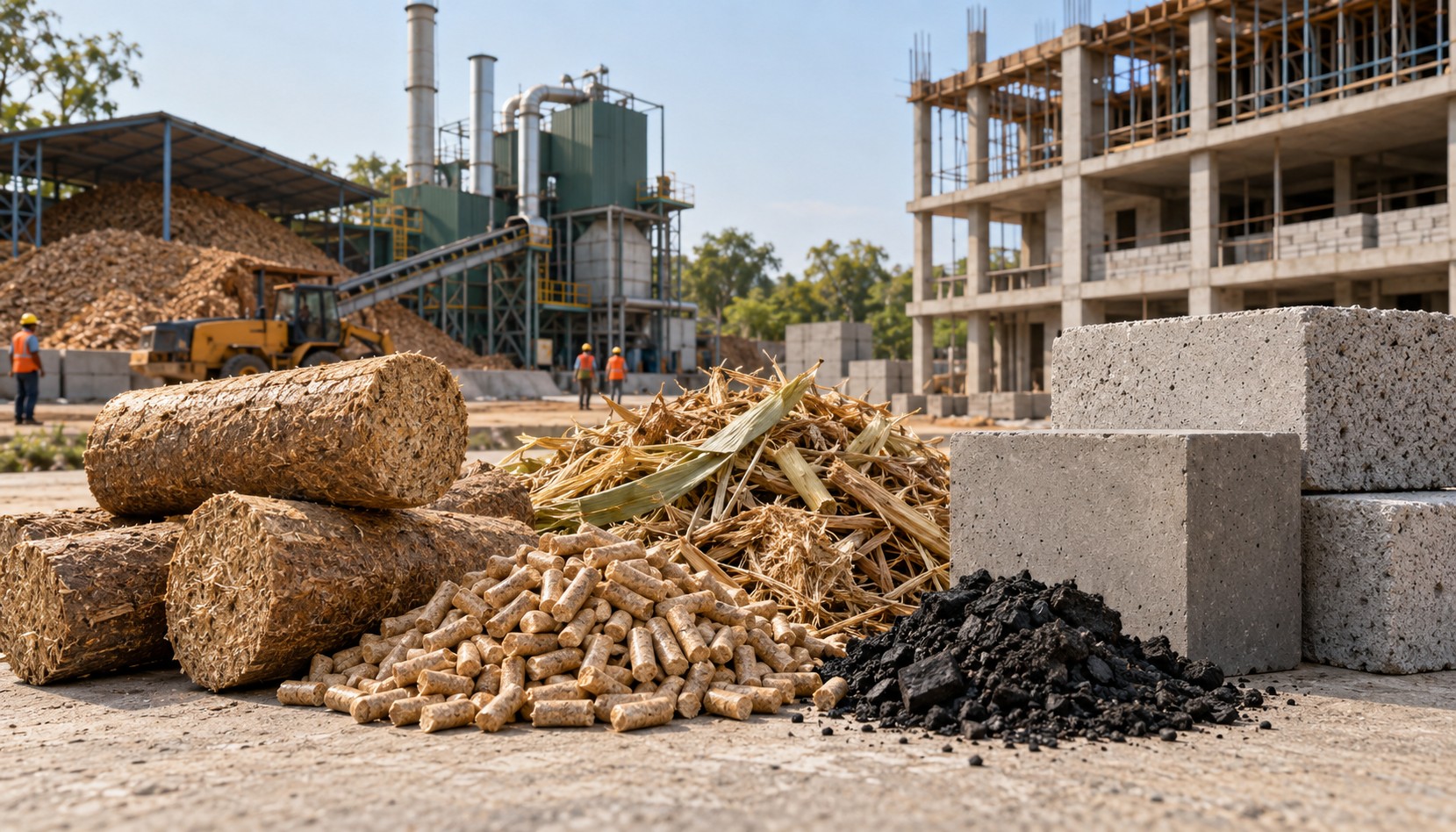
India's ambitious clean energy commitments at the G20 summit have set the stage for transformative changes across various sectors, particularly bioenergy. As the world grapples with climate change and the urgent need for sustainable energy solutions, India's participation in the G20 discussions underscores its commitment to transitioning towards renewable energy sources. The bioenergy sector, which includes solid biofuels such as briquettes and pellets, stands to benefit significantly from these commitments.
The G20 summit provided a platform for India to showcase its dedication to achieving net-zero emissions by 2070 and increasing its non-fossil fuel energy capacity to 500 GW by 2030. This shift is particularly relevant for the bioenergy sector, which is poised to play a crucial role in reducing carbon footprints and promoting energy security. By leveraging biomass resources, India can produce sustainable fuels that replace conventional fossil fuels, thereby addressing both energy needs and environmental concerns.
One of the key outcomes of India's G20 commitments is the emphasis on sustainable practices in energy production. The bioenergy sector aligns perfectly with these sustainability goals. Solid biofuels derived from agricultural residues, forestry waste, and municipal solid waste offer a viable alternative to coal and other fossil fuels. By investing in the development and promotion of biomass energy technologies, India can enhance energy access in rural areas while simultaneously reducing waste and greenhouse gas emissions.
Moreover, the G20 discussions highlighted the importance of international collaboration in advancing clean energy technologies. India can benefit from partnerships with other nations to share knowledge, expertise, and innovative solutions in the bioenergy field. The global emphasis on research and development in biofuels can lead to breakthroughs in efficiency and cost-effectiveness, making biomass energy more competitive in the energy market.
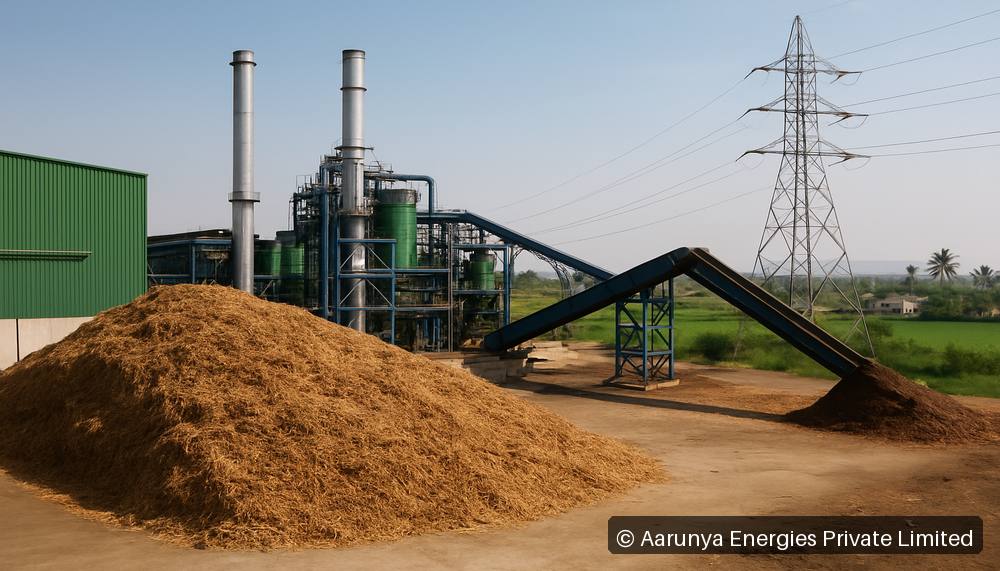
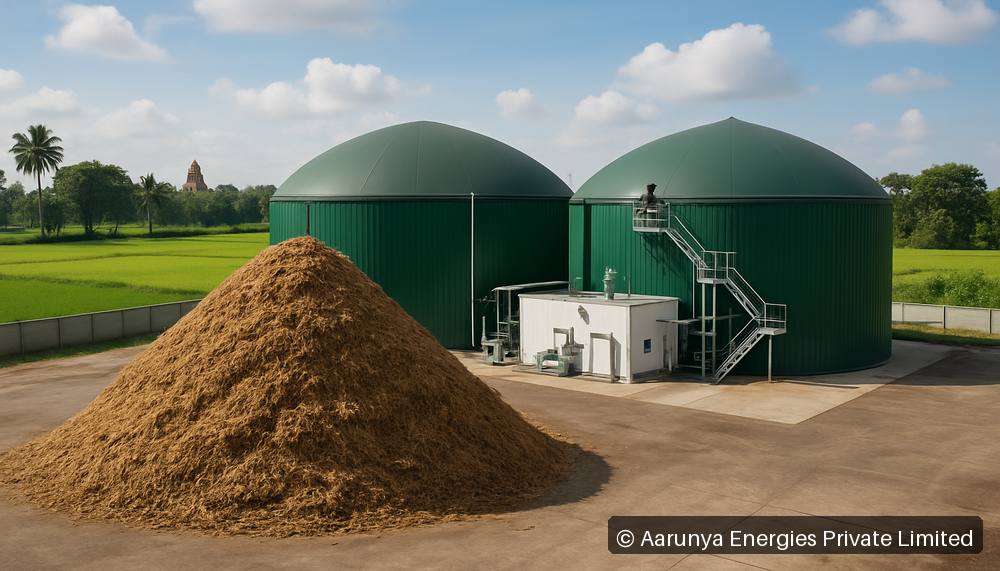
The government of India has also initiated various schemes and policies to support the bioenergy sector, complementing its G20 commitments. Programs promoting the establishment of biomass power plants and incentivizing the production of briquettes and pellets are essential steps towards sustainable energy production. These initiatives not only contribute to the national grid but also create job opportunities and promote rural development.
As India moves towards its clean energy goals, the bioenergy sector can expect increased investments and technological advancements. The support from both public and private sectors will be crucial in scaling up bioenergy projects, improving supply chain efficiencies, and enhancing the overall sustainability of energy production. This growth will also help address the challenges of energy poverty, particularly in rural regions where access to clean energy is limited.
Another significant aspect of India's G20 commitments is the focus on energy diversification. The bioenergy sector offers a reliable source of renewable energy that can complement other forms of renewable energy, such as solar and wind. By integrating bioenergy into the energy mix, India can enhance its energy security and resilience against fluctuations in conventional energy supplies.
Furthermore, the promotion of bioenergy aligns with global efforts to achieve the Sustainable Development Goals (SDGs). The utilization of biomass for energy can significantly contribute to goals related to affordable and clean energy, climate action, and responsible consumption and production. By harnessing local biomass resources, India can empower communities, improve livelihoods, and create a sustainable energy future.
In conclusion, India's G20 clean energy commitments are catalyzing a transformation in the bioenergy sector. With a clear focus on sustainability, innovation, and collaboration, India is paving the way for a robust bioenergy industry that can contribute to the nation's energy security and environmental goals. As the world moves towards a greener future, the emphasis on bioenergy will play an essential role in shaping India’s energy landscape, making it a key player in the global renewable energy narrative.