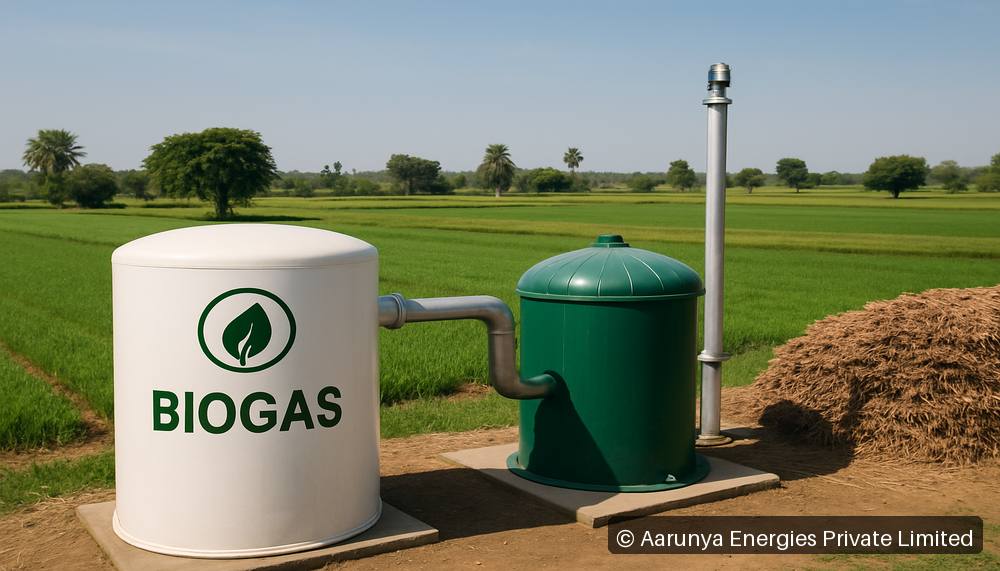
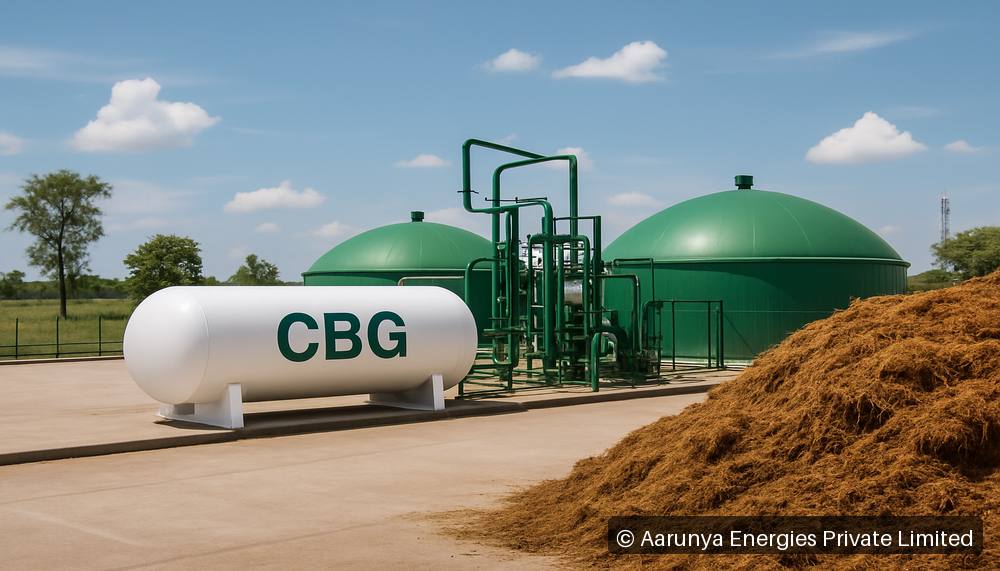
In recent years, the quest for sustainable energy solutions has led to innovative practices in various sectors, particularly in agriculture and livestock management. Among these innovations, the production of Compressed Biogas (CBG) from cow dung and slurry on Indian dairy farms stands out as a significant development. This transformation not only assists in managing waste but also contributes to the renewable energy landscape in India.
India is home to the largest population of dairy cattle in the world, which generates a substantial amount of cow dung and slurry. Traditionally considered waste, these by-products can now be converted into valuable energy sources through modern technologies. The biogas production process involves anaerobic digestion, where microorganisms break down organic matter in the absence of oxygen, producing biogas rich in methane.
The anaerobic digestion process starts with collecting cow dung and slurry from dairy farms. This organic material is then fed into a biogas digester, an airtight container that facilitates the digestion process. Inside the digester, the cow dung and slurry are mixed with water to create a slurry that is ideal for microbial activity. Over a period of weeks, anaerobic bacteria break down the organic material, producing biogas, which primarily consists of methane and carbon dioxide.
Once the biogas is produced, it can be purified to remove impurities, resulting in CBG. This compressed biogas can be used as a renewable energy source for various applications, including cooking, heating, and even as a vehicle fuel. The versatility of CBG makes it an attractive alternative to conventional fossil fuels, aligning with India’s goals for reducing carbon emissions and promoting sustainable energy use.
The use of CBG derived from cow dung also addresses several pressing challenges faced by the dairy industry in India. Firstly, it provides a solution to the waste management problem. Dairy farms often struggle with the disposal of large quantities of dung, which can lead to environmental pollution if not managed properly. By converting waste into energy, farms can reduce their environmental footprint while generating an additional revenue stream.
Secondly, the adoption of CBG production can enhance the economic viability of dairy farms. By utilizing cow dung and slurry to produce energy, farmers can offset their energy costs or even sell excess biogas to the grid or local energy providers. This not only improves the financial sustainability of dairy operations but also supports rural economies.
Moreover, the production of CBG contributes to energy security in India. As the country strives to meet its growing energy demands, diversifying energy sources is crucial. CBG offers a renewable alternative that can complement existing energy sources, thereby reducing dependence on fossil fuels.
Several initiatives are underway to promote the production and utilization of CBG in India. Government policies and incentives are being introduced to encourage dairy farmers to adopt biogas technologies. Additionally, numerous startups and organizations are working to provide the necessary infrastructure and support for biogas production, making it more accessible to farmers.
Education and awareness are also critical in promoting the benefits of CBG. Training programs and workshops are being organized to inform dairy farmers about the advantages of biogas production, including its environmental benefits and economic potential. By empowering farmers with knowledge and resources, the transition to CBG production can be accelerated.
In conclusion, the production of CBG from cow dung and slurry on Indian dairy farms represents a significant step towards sustainable energy solutions. By converting waste into a valuable resource, dairy farmers can address waste management challenges, enhance their economic viability, and contribute to India's renewable energy goals. As more farms adopt this innovative approach, the potential for CBG to revolutionize the dairy industry and promote sustainable energy practices in India will continue to grow.