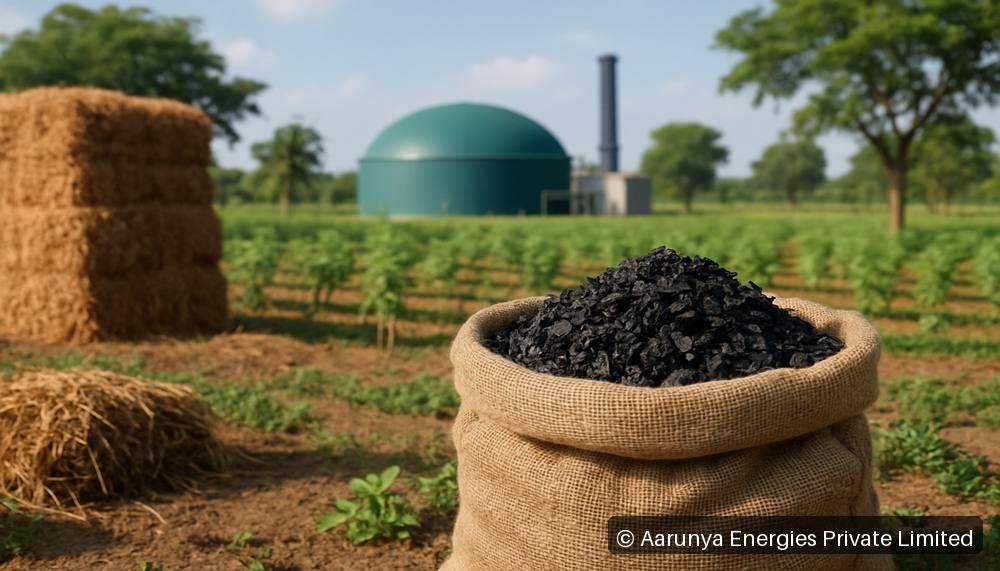
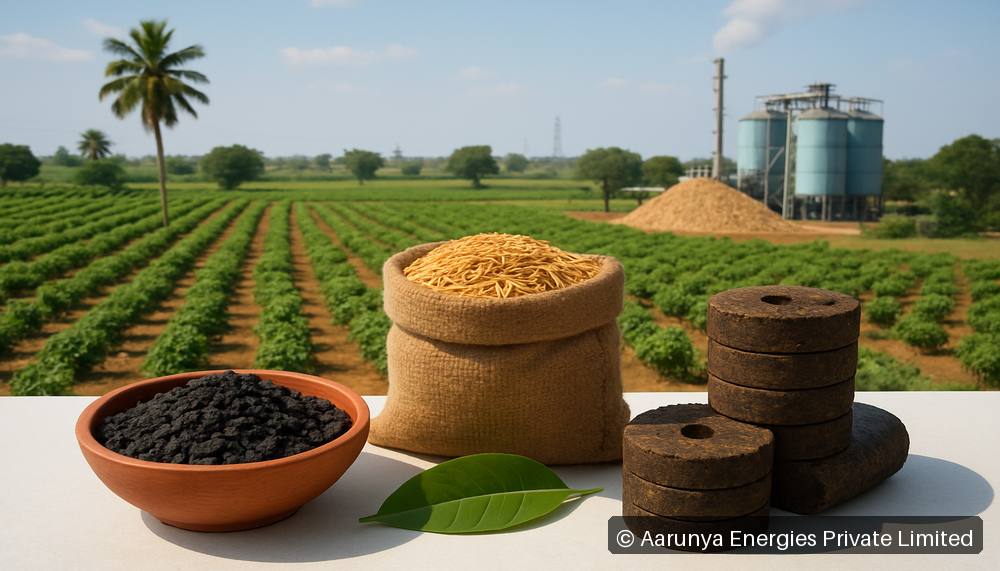
As the world grapples with climate change, innovative solutions are becoming vital in the pursuit of sustainability. One such solution is biochar, a carbon-rich product obtained from the pyrolysis of organic materials. Indian farmers, who play a crucial role in the nation's agricultural landscape, can significantly benefit from the application of biochar, not only enhancing soil health but also earning carbon credits in the process.
Biochar is produced by heating biomass in the absence of oxygen, which results in a stable form of carbon that can be used to improve soil fertility. By sequestering carbon in this way, biochar reduces greenhouse gas emissions and contributes to climate change mitigation. For farmers in India, this presents an opportunity to participate in carbon credit markets, where they can monetize their sustainable practices.
The Indian government has recognized the importance of carbon credits in promoting environmental sustainability. Through various initiatives, such as the National Biofuel Policy and the Perform, Achieve and Trade (PAT) scheme, farmers can engage in practices that not only improve their yields but also contribute to carbon sequestration. By incorporating biochar into their farming operations, farmers can qualify for carbon credits, which are tradable certificates representing the reduction of one ton of CO2 emissions.
To earn carbon credits from biochar application, farmers must follow certain guidelines set forth by regulatory bodies. This typically involves documenting the production and application of biochar, along with its impact on soil health and productivity. Farmers can collaborate with organizations that specialize in carbon credit certification to ensure compliance with these standards. These organizations often provide support in measuring carbon sequestration and help farmers navigate the complexities of the carbon market.
The benefits of biochar go beyond carbon credits. When applied to soil, biochar improves water retention, enhances nutrient availability, and promotes microbial activity. This results in healthier crops and can lead to increased agricultural productivity. For Indian farmers, especially those facing challenges such as soil degradation and erratic weather patterns, biochar presents a viable solution to boost resilience and sustainability.
Moreover, the production of biochar can utilize agricultural waste, such as crop residues, which are abundant in India. Instead of burning these residues, which contributes to air pollution and greenhouse gas emissions, farmers can transform them into biochar. This not only reduces waste but also creates a valuable resource that can be reinvested into their farming practices.
Farmers interested in biochar should consider forming cooperatives or partnerships to share resources and knowledge. By pooling their efforts, they can invest in biochar production facilities and collectively apply for carbon credits. This collaborative approach not only maximizes the benefits of biochar but also fosters community engagement and strengthens the local economy.
In summary, the application of biochar offers Indian farmers a unique opportunity to earn carbon credits while simultaneously improving their agricultural practices. By sequestering carbon, enhancing soil health, and utilizing agricultural waste, farmers can contribute to a sustainable future while benefitting financially. With the right support and guidance, Indian farmers can lead the way in sustainable agriculture and climate action through the innovative use of biochar.
As the demand for renewable energy and sustainable practices continues to rise, the role of biochar in agriculture will likely become even more significant. Farmers who adopt biochar application not only contribute to environmental sustainability but can also position themselves as leaders in the transition towards a greener economy. Embracing biochar could be a transformative step for Indian agriculture, driving both ecological balance and economic growth.