India's biomass energy sector has been gaining traction as part of the country's broader renewable energy goals. With the increasing demand for sustainable energy sources, the government has implemented several key updates to its biomass energy policy. These updates are significant not only for environmental sustainability but also for the economic growth of the industry. This article delves into the latest changes in India's biomass energy policy and explores their implications for stakeholders.
The Indian government has recognized the potential of biomass energy as a vital component of its renewable energy strategy. Biomass, derived from organic materials like agricultural residues, forestry waste, and municipal solid waste, offers a dual benefit: it helps manage waste and generates clean energy. Recent updates to the biomass energy policy reflect a commitment to harnessing these resources effectively.
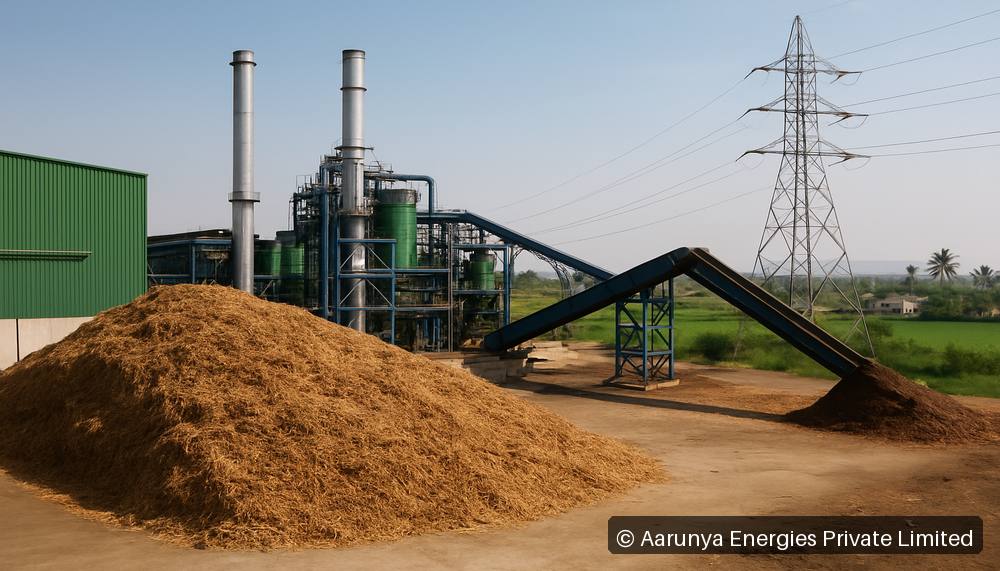
One of the major updates is the introduction of financial incentives for biomass power plants. The government has proposed attractive tariff rates for electricity generated from biomass, making it economically viable for investors. This move is anticipated to spur the establishment of new biomass power plants across the country, particularly in rural areas where biomass resources are abundant. By providing financial support, the policy encourages private investments, which are crucial for the growth of the sector.
Additionally, the policy now emphasizes the role of small-scale biomass projects. The government recognizes the potential of decentralized energy production, enabling local communities to generate their own energy from available biomass resources. This decentralized approach not only enhances energy security but also stimulates local economies by creating job opportunities in biomass collection, processing, and energy generation.
Another significant update is the integration of biomass energy with other renewable energy sources. The government is promoting hybrid systems that combine biomass with solar and wind energy. This integration can stabilize the energy supply, especially in regions with intermittent renewable sources. By diversifying energy generation methods, the policy aims to enhance the reliability and efficiency of the energy sector.
The biomass energy policy also addresses environmental concerns. The government is encouraging the adoption of advanced technologies for biomass conversion, such as gasification and anaerobic digestion. These technologies can increase the efficiency of biomass utilization while minimizing emissions. The focus on clean technology aligns with India's commitment to reducing its carbon footprint and meeting international climate targets.
Moreover, the policy includes provisions for research and development in biomass energy technologies. The government aims to foster innovation and improve the efficiency of biomass conversion processes. By investing in R&D, India can develop indigenous technologies that cater to its unique biomass resources, reducing reliance on foreign technologies and fostering self-sufficiency.
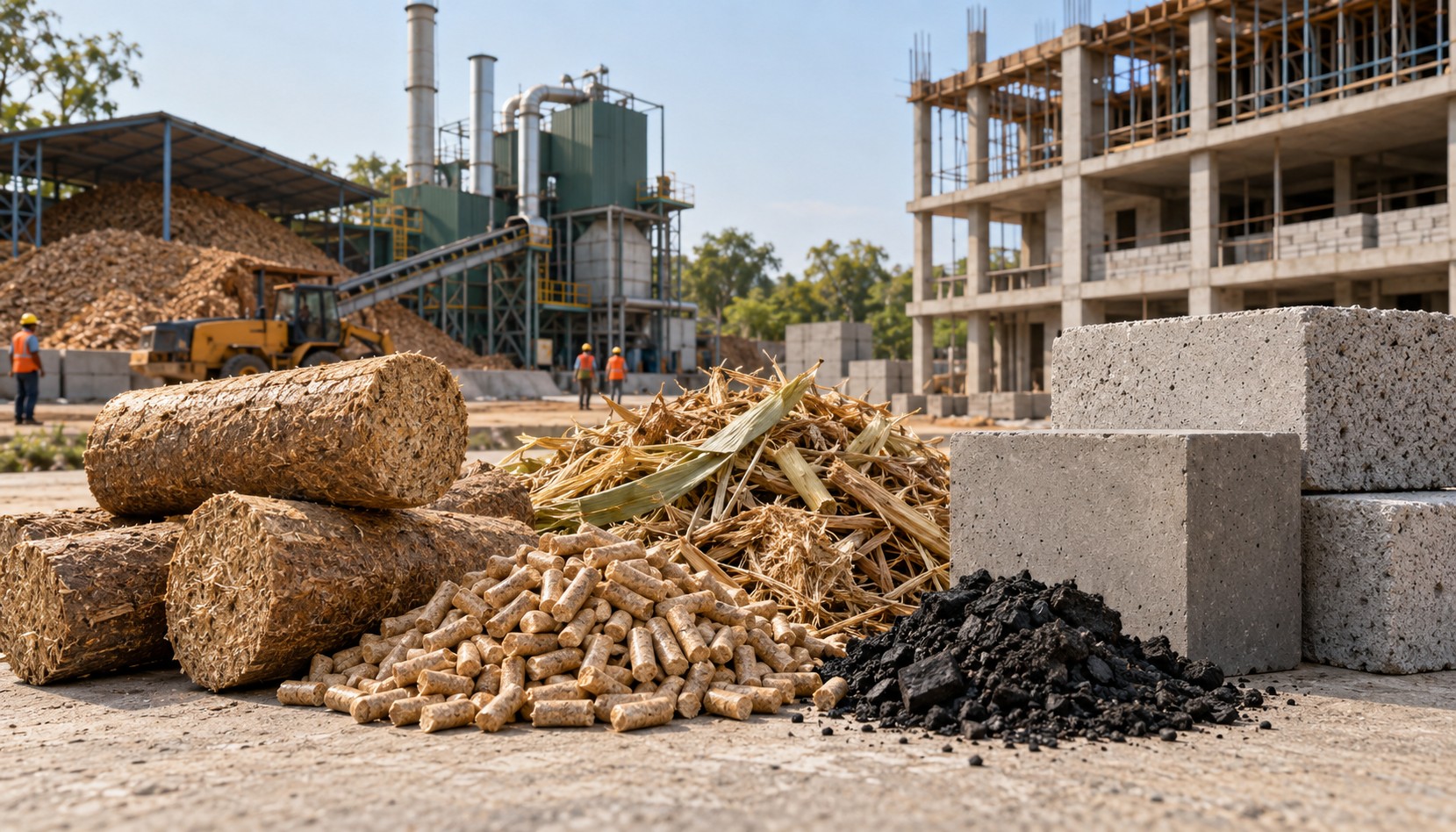
For industry stakeholders, these updates present a wealth of opportunities. Companies involved in biomass energy production, such as Aarunya Energies Private Limited, stand to benefit from increased demand for biomass fuels like briquettes and pellets. The financial incentives and support for technology development can enhance operational efficiency and profitability.
However, challenges remain. The successful implementation of the updated policy will require collaboration among government bodies, private investors, and local communities. Ensuring a steady supply of biomass feedstock is crucial, and stakeholders must work together to establish sustainable supply chains. Additionally, awareness and training programs will be essential to equip local communities and businesses with the knowledge needed to engage in biomass energy initiatives.
In conclusion, India's biomass energy policy is evolving to meet the challenges of sustainable energy production. With key updates aimed at financial support, technological advancement, and community involvement, the policy sets the stage for a robust biomass energy sector. As the industry adapts to these changes, it holds the potential to contribute significantly to India's energy transition and economic growth. Stakeholders must leverage these opportunities to create a sustainable future powered by biomass energy.