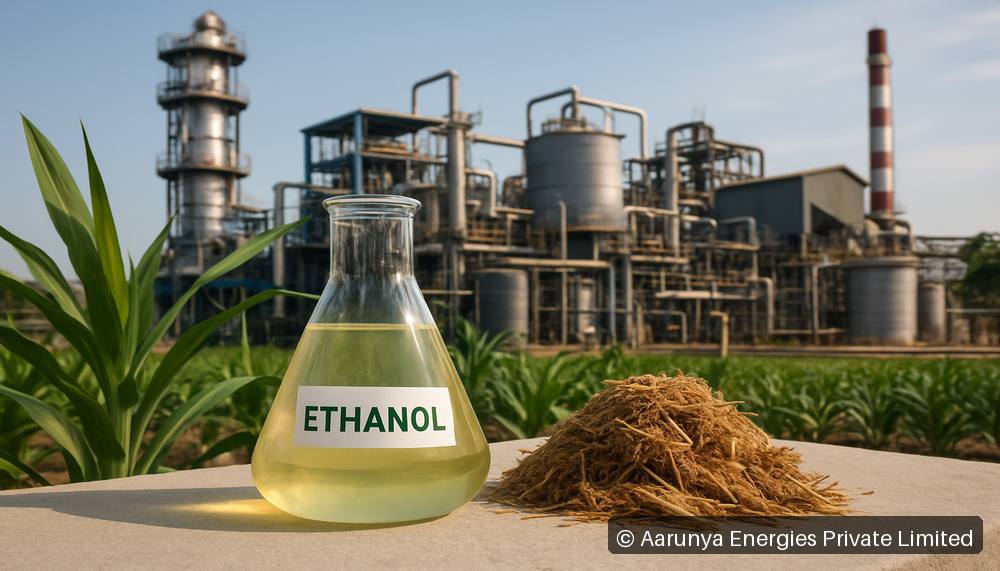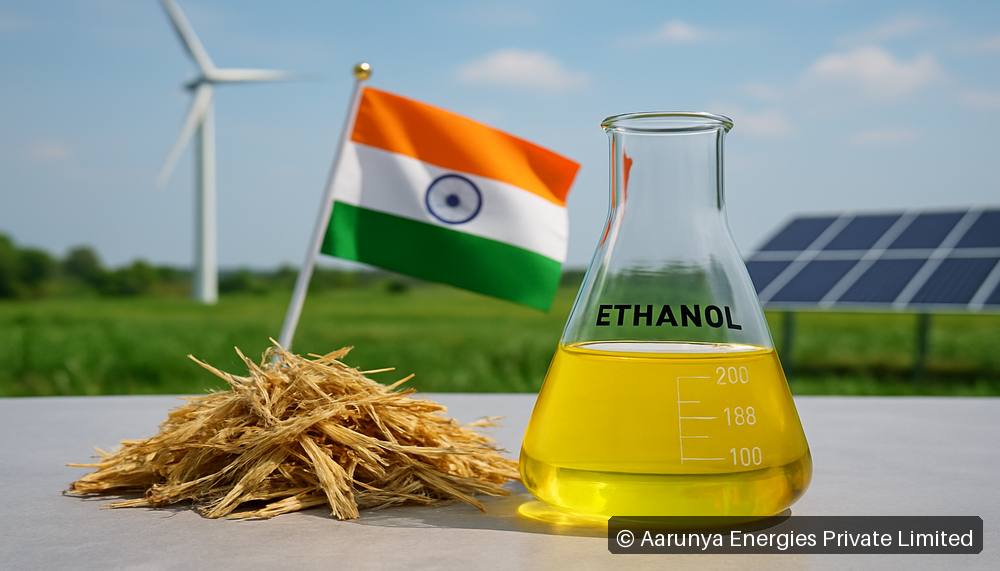
India's Ethanol Blending Program has emerged as a pivotal initiative in the country's quest for energy independence and sustainability. Launched with the aim of reducing dependence on fossil fuels, the program focuses on blending ethanol, a renewable biofuel, with petrol to enhance the overall eco-friendliness of transportation. In recent years, the program has gained significant momentum, with the government setting ambitious targets and making substantial progress towards achieving them.
As of 2021, India had set a target to achieve 10% ethanol blending in petrol by 2022. However, this target was surpassed, with the blending percentage reaching approximately 10% in 2021-2022. Encouraged by this success, the government has raised the bar significantly, setting a new goal of 20% ethanol blending by 2025. This ambitious target aims to mitigate the impact of rising fuel prices, reduce greenhouse gas emissions, and promote the use of domestically produced ethanol.
The progress of the ethanol blending program can be attributed to several key factors. One of the primary drivers is the push for increased domestic production of ethanol, primarily sourced from sugarcane, grains, and other biomass feedstocks. The introduction of the National Policy on Biofuels has incentivized sugar mills and distilleries to invest in ethanol production, thereby enhancing the supply chain.
Additionally, the government has implemented a range of policies to facilitate the growth of the ethanol market. These include financial incentives for manufacturers, tax exemptions, and support for research and development in biofuel technologies. The establishment of a robust infrastructure for ethanol storage and distribution has also played a crucial role in ensuring that the required quantities of ethanol are available for blending.
Beyond the 20% target set for 2025, there is a growing discourse on the potential for further expansion of the ethanol blending program. Experts are advocating for a gradual increase in blending percentages, potentially reaching 30% or more in the coming years. This would necessitate a significant scaling up of ethanol production and a sustained commitment from both the government and private sectors.
India's ethanol blending program aligns with the global trend towards renewable energy and sustainable practices. By reducing reliance on imported fossil fuels, the program not only contributes to energy security but also supports rural economies through job creation in the agricultural and biofuel sectors. Furthermore, the environmental benefits of ethanol blending are substantial, as it can lead to lower carbon emissions and improved air quality.
However, the road ahead is not without challenges. The agricultural sector must adapt to meet the increasing demand for feedstocks without compromising food security. Additionally, the need for technology advancements in ethanol production processes cannot be understated. Innovations in second and third-generation biofuels are essential for achieving higher blending targets sustainably.
The government is also focusing on integrating various renewable energy initiatives, such as the promotion of electric vehicles and other alternative fuels, to create a balanced energy portfolio. This holistic approach is vital for India's long-term energy strategy, ensuring that the transition to renewable fuels does not adversely affect the economy.
In conclusion, India's Ethanol Blending Program has made significant strides in recent years, achieving its initial targets and setting ambitious goals for the future. The focus on increasing ethanol blending percentage beyond 20% highlights the government's commitment to renewable energy and sustainable development. As the program evolves, it will play an essential role in shaping India's energy landscape, contributing to energy security, environmental sustainability, and economic growth. Continued collaboration between the government, private sector, and research institutions will be pivotal in overcoming challenges and realizing the full potential of this transformative initiative.