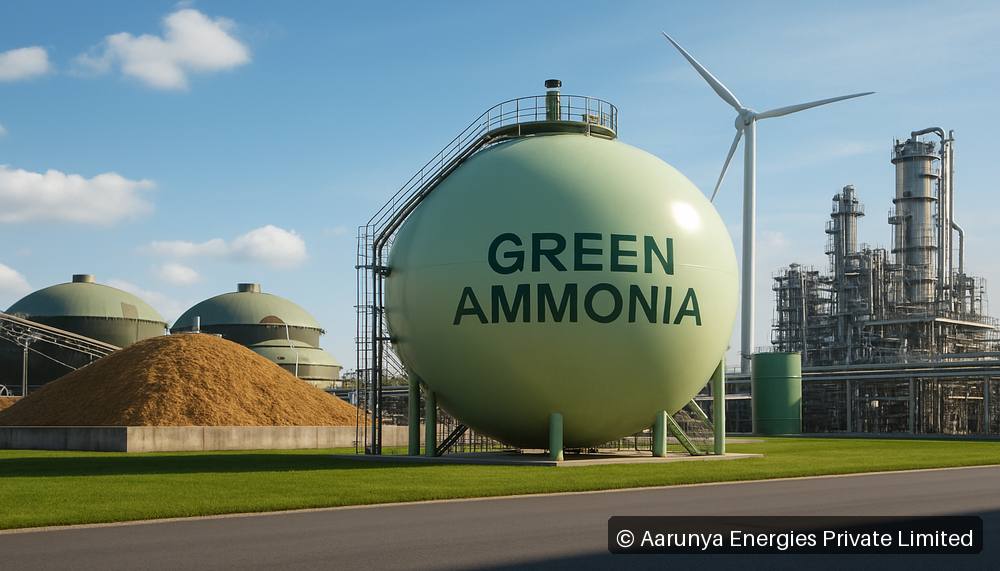
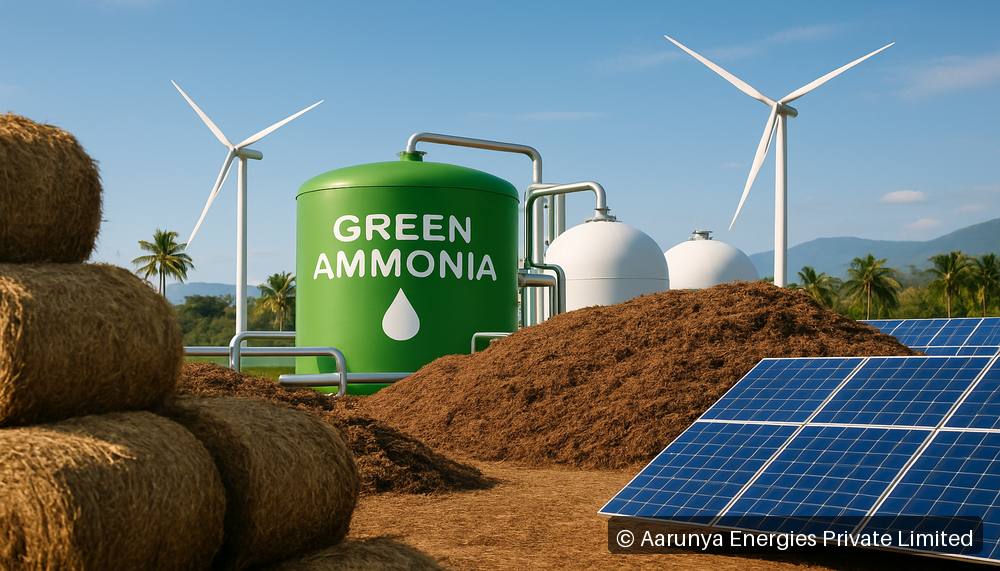
Green ammonia, a derivative of renewable energy sources, is emerging as a key player in the global energy transition. India, with its abundant renewable resources and a growing emphasis on sustainable practices, stands at the forefront of this burgeoning market. This blog explores India's potential in exporting green ammonia to the Middle East and European markets, examining the opportunities, challenges, and strategic initiatives that can propel this sector forward.
The drive towards green ammonia is primarily fueled by its potential as a clean hydrogen carrier and its applicability in various industries, including fertilizers, energy storage, and shipping fuels. As countries worldwide strive to reduce carbon emissions and meet their climate commitments, demand for green ammonia is expected to surge, particularly in Europe and the Middle East, where stringent environmental regulations are being implemented.
India's renewable energy resources are vast, with solar and wind energy leading the charge. The government has set ambitious targets to achieve 450 GW of renewable energy capacity by 2030. This commitment not only provides the necessary infrastructure for green ammonia production but also positions India as a competitive player in the global market. Utilizing its potential, India can leverage these renewable sources to produce green ammonia, thereby minimizing carbon footprints and aligning with international sustainability goals.
The Middle East, a traditional hub for the oil and gas industry, is increasingly investing in renewable energy projects. Countries like Saudi Arabia and the UAE are diversifying their energy portfolios and have shown interest in green hydrogen and ammonia technologies. India can capitalize on this shift by exporting green ammonia to these markets, providing a sustainable alternative to fossil fuels. The strategic geographic location of India, with its proximity to the Middle East, further enhances its export capabilities.
In Europe, the Green Deal and the Fit for 55 package have set ambitious climate targets, including a significant reduction in greenhouse gas emissions. The EU is keen on transitioning to a hydrogen economy, with green ammonia playing a pivotal role in this transformation. India can address this demand by establishing partnerships with European countries, facilitating technology transfer, and investing in research and development for innovative ammonia production methods.
However, several challenges need to be addressed to unlock India's green ammonia export potential. Infrastructure development is paramount, as the production and transportation of green ammonia require specialized facilities and logistics. Investment in ports, storage, and distribution networks will be essential for ensuring efficient supply chains. Additionally, fostering collaborations between public and private sectors will be crucial in driving innovation and scaling up production.
Financial investments in technology and manufacturing capabilities will also play a significant role. The Indian government has introduced various policies and incentives to promote renewable energy and green technologies, which can help attract domestic and foreign investments in the green ammonia sector. Access to affordable financing will enable companies to adopt new technologies and expand their production capacities.
Moreover, India must focus on developing skilled workforce capabilities in the green ammonia sector. As the industry grows, there will be a demand for expertise in production processes, safety protocols, and environmental regulations. Educational institutions and training programs can play a vital role in equipping the workforce with the necessary skills to meet industry demands.
In conclusion, India's green ammonia export potential to the Middle East and European markets is vast and promising. By capitalizing on its renewable energy resources, fostering strategic partnerships, and addressing infrastructural and financial challenges, India can position itself as a key player in the global green ammonia market. The transition to a sustainable energy future is not just an opportunity for economic growth; it is a crucial step towards combating climate change and ensuring a cleaner, greener planet for future generations.