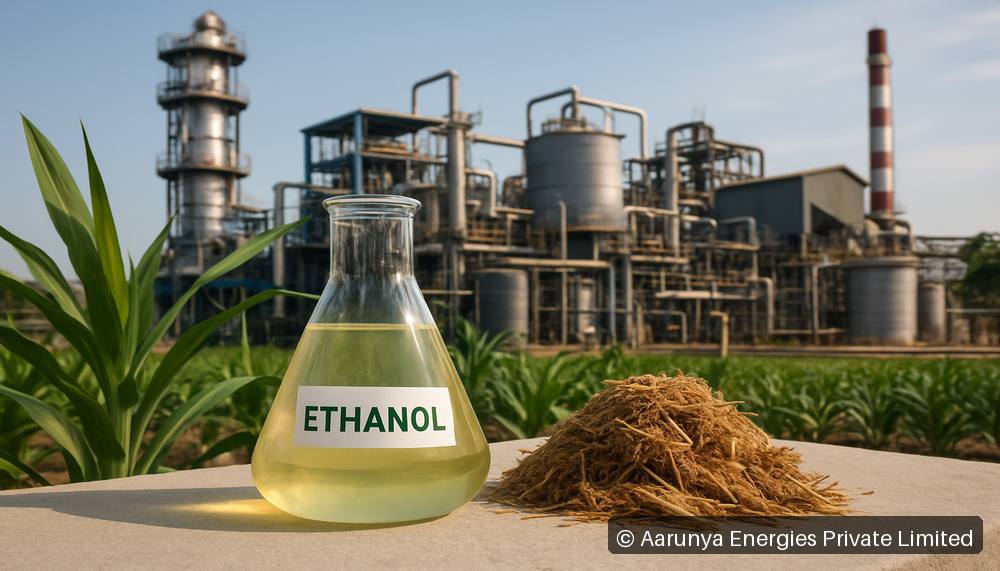
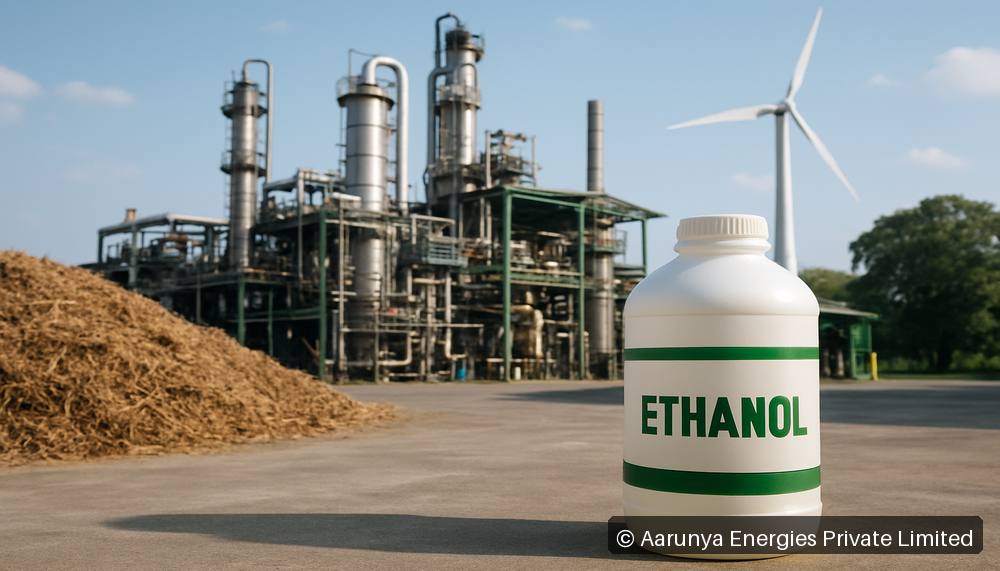
India's National Biofuel Policy has undergone significant amendments aimed at accelerating the development and adoption of biofuels in the country. This policy serves as a strategic framework to promote sustainable energy, reduce carbon emissions, and enhance energy security through the utilization of renewable resources. The amendments introduced in this policy reflect the Indian government's commitment to transitioning towards a greener economy and fostering innovation in the biofuel sector.
One of the key amendments in the National Biofuel Policy is the enhancement of ethanol blending targets. The government has set a target of achieving 20% ethanol blending in petrol by 2025, moving up from the previous target of 10%. This ambitious goal is expected to reduce dependency on fossil fuels, lower greenhouse gas emissions, and provide farmers with an additional source of income through the cultivation of sugarcane and other feedstocks for ethanol production. The increase in blending targets will also create a robust market for ethanol, encouraging investments in the infrastructure necessary for production and distribution.
Furthermore, the policy amendments have expanded the scope of feedstocks eligible for biofuel production. Previously, the focus was primarily on sugarcane and grains, but the updated policy now includes a wider range of biomass sources such as agricultural residues, municipal solid waste, and even non-food crops. This diversification of feedstocks will not only enhance sustainability but also help in managing waste effectively, contributing to a circular economy.
Another significant change is the incentivization of second-generation (2G) biofuels. The policy now provides financial support and regulatory encouragement for the production of biofuels from non-food feedstocks, which are considered more environmentally friendly. This push for 2G biofuels is crucial as it ensures that food security remains a priority while simultaneously addressing the energy needs of the country. The development of technologies for 2G biofuels will also spur research and innovation, positioning India as a leader in advanced biofuel technology.
The government has also introduced measures to promote decentralized biofuel production. By encouraging the establishment of small-scale biofuel production units, the policy aims to empower rural communities and create job opportunities. This decentralized approach is particularly beneficial for local economies, as it allows communities to utilize locally available biomass resources and generate energy close to where it is needed.
Moreover, the amendments include provisions for setting up a National Biofuel Coordination Committee to oversee the implementation of the policy. This committee will facilitate inter-ministerial coordination and stakeholder engagement, ensuring that the various aspects of the biofuel supply chain, from production to consumption, are effectively managed. Enhanced coordination is expected to streamline processes and remove bureaucratic hurdles that have historically hindered the growth of the biofuel sector.
The impact of these amendments on the biofuel industry in India is expected to be profound. With the increased focus on ethanol production and the diversification of feedstocks, the industry is likely to see significant growth, attracting investments and creating new business opportunities. Additionally, the emphasis on sustainability and waste management aligns with global trends towards greener energy solutions, positioning India favorably in the international biofuel market.
In conclusion, the amendments to India's National Biofuel Policy mark a pivotal step towards a sustainable energy future. By setting ambitious blending targets, expanding feedstock eligibility, supporting advanced biofuel technologies, and promoting decentralized production, the policy is poised to enhance India's energy security while fostering economic growth. As the industry adapts to these changes, stakeholders must remain proactive in leveraging the opportunities presented by this evolving landscape, ensuring that India becomes a leader in the global biofuel arena.