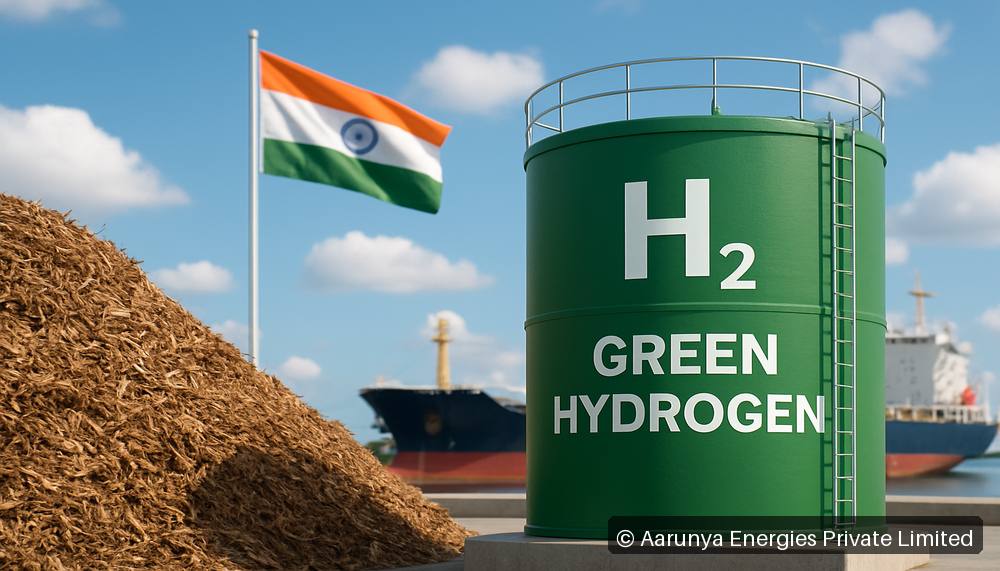
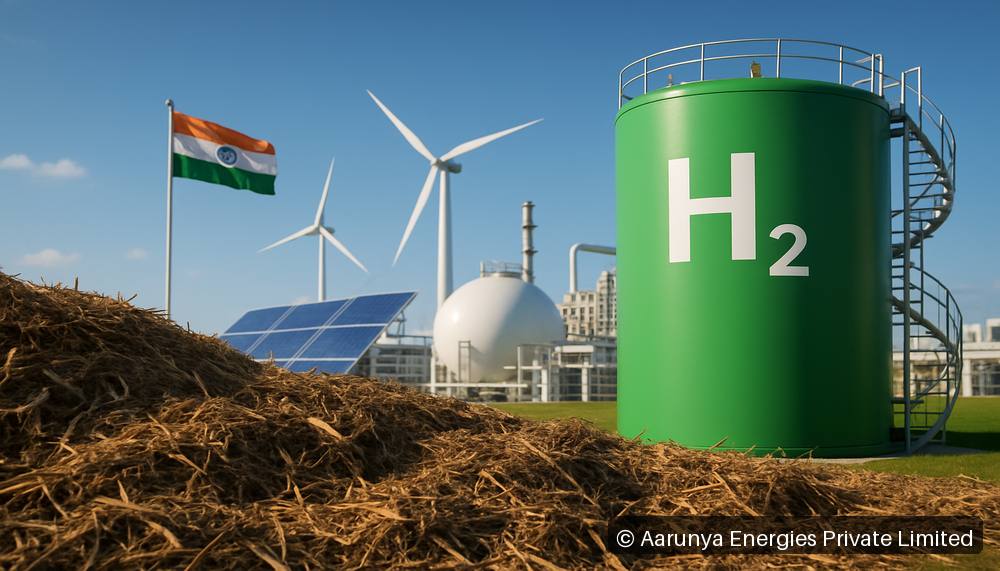
The National Green Hydrogen Mission (NGHM) of India represents a crucial step towards the country's commitment to achieving sustainable energy and reducing carbon emissions. Launched by the Indian government, this mission aims to position India as a global hub for green hydrogen production while addressing the pressing challenges of climate change and energy security. This article delves into the targets, funding mechanisms, and key projects under this transformative initiative.
At the heart of the National Green Hydrogen Mission lies a robust set of targets. The Indian government aims to produce 5 million tonnes of green hydrogen annually by 2030. This ambitious target is designed to not only meet domestic energy needs but also to establish India as a significant player in the global green hydrogen market. The mission is aligned with India's broader commitment to achieving net-zero carbon emissions by 2070 and aims to reduce the overall carbon footprint of various sectors, including transportation, industry, and power generation.
Funding for the National Green Hydrogen Mission comes from a combination of government allocations, public-private partnerships, and international cooperation. The Indian government has earmarked a substantial budget to support research and development, infrastructure development, and scaling up of green hydrogen production technologies. Additionally, the mission encourages private sector participation by providing incentives for companies to invest in green hydrogen projects. This funding strategy is crucial for overcoming the initial high costs associated with green hydrogen production and making it competitive with fossil fuels.
Key projects under the National Green Hydrogen Mission showcase the government's commitment to innovation and collaboration. One of the prominent projects involves the establishment of green hydrogen production plants using renewable energy sources such as solar and wind. These plants are designed to utilize excess renewable energy that is often wasted due to grid limitations, thus maximizing efficiency.
Another noteworthy initiative is the development of hydrogen fuel cell technology for transportation. This project aims to create a sustainable and clean alternative to conventional fuel sources, particularly in the heavy-duty transport sector. By integrating hydrogen fuel cells into buses, trucks, and other vehicles, India can significantly reduce its dependence on fossil fuels and lower greenhouse gas emissions.
Moreover, the National Green Hydrogen Mission emphasizes the importance of international collaboration. India is actively engaging with countries that are leaders in green hydrogen technology, fostering partnerships to exchange knowledge, expertise, and technological advancements. Such collaborations are expected to accelerate the development of green hydrogen infrastructure and create a robust ecosystem for its production and utilization.
In addition to the environmental benefits, the National Green Hydrogen Mission has the potential to create numerous job opportunities across various sectors. As the green hydrogen industry expands, new roles will emerge in research and development, manufacturing, and project management. Furthermore, the mission is expected to boost local economies, particularly in regions rich in renewable energy resources.
As India progresses towards achieving its targets under the National Green Hydrogen Mission, the role of solid biofuels, such as briquettes and pellets, cannot be overlooked. These biofuels can complement green hydrogen production by providing a sustainable source of energy for various applications. By integrating biomass energy solutions within the broader framework of the green hydrogen initiative, India can enhance its energy security and promote a circular economy.
In conclusion, India's National Green Hydrogen Mission is a pivotal initiative that underscores the country's commitment to sustainable energy and environmental stewardship. With ambitious targets, innovative projects, and strategic funding mechanisms, India is poised to become a leader in the global green hydrogen landscape. As the mission unfolds, it will not only contribute to reducing carbon emissions but also foster economic growth and job creation, ultimately propelling India towards a greener and more sustainable future.