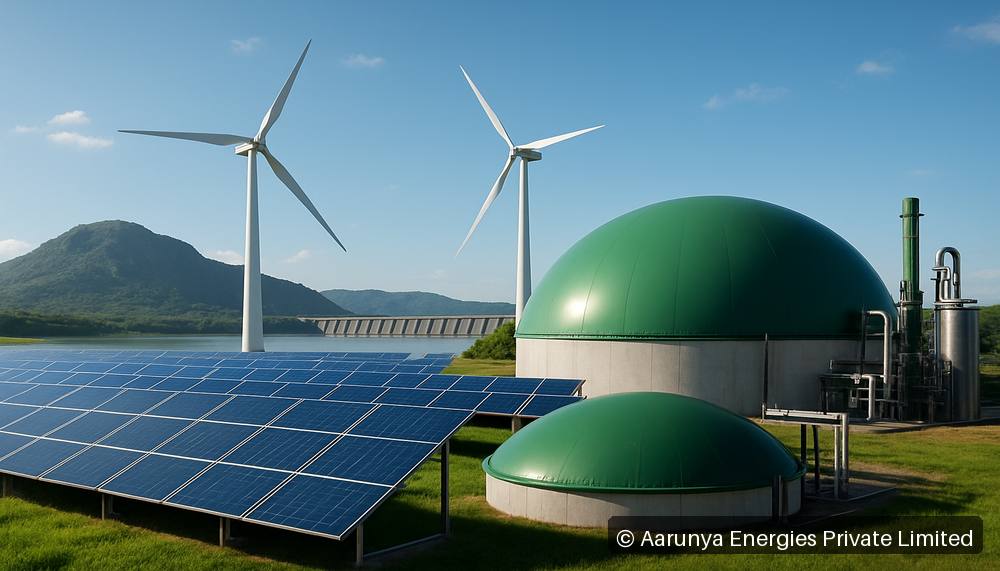
India has emerged as a global leader in the renewable energy sector, particularly in solar energy. With ambitious goals set to achieve 500 GW of renewable energy capacity by 2025, the Indian government has laid out a comprehensive strategy to enhance its solar energy capacity. Solar energy, being abundant and sustainable, plays a crucial role in this endeavor, contributing significantly to the country's energy mix.
As of 2023, India's installed solar capacity has surpassed 60 GW, marking a substantial increase from previous years. This growth can be attributed to various government initiatives, including the National Solar Mission, which aims to promote the development of solar power projects across the nation. The mission has been instrumental in establishing solar parks, facilitating rooftop solar installations, and encouraging private investments in solar technology.
One of the key drivers behind India's solar energy expansion is the decreasing cost of solar technology. The price of solar photovoltaic (PV) modules has dropped significantly over the past decade, making solar energy more accessible and affordable. This trend has not only increased the attractiveness of solar projects for investors but has also encouraged states to adopt solar energy solutions as a viable alternative to fossil fuels.
In addition to cost competitiveness, the Indian government has introduced various financial incentives and policies to boost solar energy adoption. Subsidies, tax benefits, and favorable tariff rates are just a few examples of how the government is encouraging both residential and commercial sectors to transition to solar energy. Furthermore, the introduction of competitive bidding for solar power projects has led to lower tariffs, making solar energy even more appealing to consumers.
Despite the remarkable progress, India faces several challenges in meeting its 500 GW renewable energy target. Land acquisition for solar farms remains a significant hurdle, as suitable land for large-scale solar projects is often limited. Additionally, grid infrastructure issues pose challenges for integrating solar energy into the national grid effectively. The variability of solar energy generation due to weather conditions also necessitates the development of robust energy storage solutions.
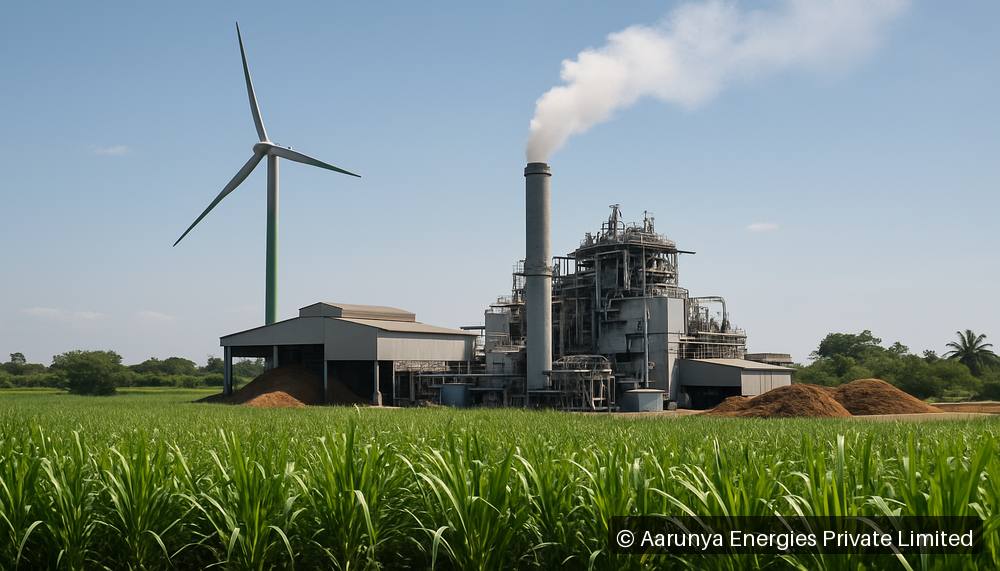
To address these challenges, the Indian government is working on improving grid infrastructure and investing in energy storage technologies. The integration of battery storage systems and other innovative solutions will enhance the reliability of solar energy, allowing for a more stable energy supply. Moreover, the push for hybrid systems that combine solar with wind or biomass energy could further optimize energy production.
Public awareness and acceptance of solar energy are also crucial factors for successful implementation. Through educational campaigns and community engagement initiatives, the government aims to inform citizens about the benefits of solar energy, promoting a culture of sustainability and environmental responsibility.
Looking ahead, the outlook for solar energy in India is promising. With consistent policy support and technological advancements, the country is well-positioned to meet, and potentially exceed, its 500 GW renewable energy target by 2025. The emphasis on solar energy not only aligns with India's climate commitments but also contributes to energy security and economic growth.
In summary, India's journey towards achieving a 500 GW renewable energy target by 2025 is a multi-faceted challenge that requires collaboration across various sectors. The progress made in solar energy capacity is commendable, but sustained efforts are essential to overcome the existing barriers. As India continues to invest in solar infrastructure and technology, the nation is poised to lead the way in renewable energy, setting an example for other countries to follow in the pursuit of a sustainable future.