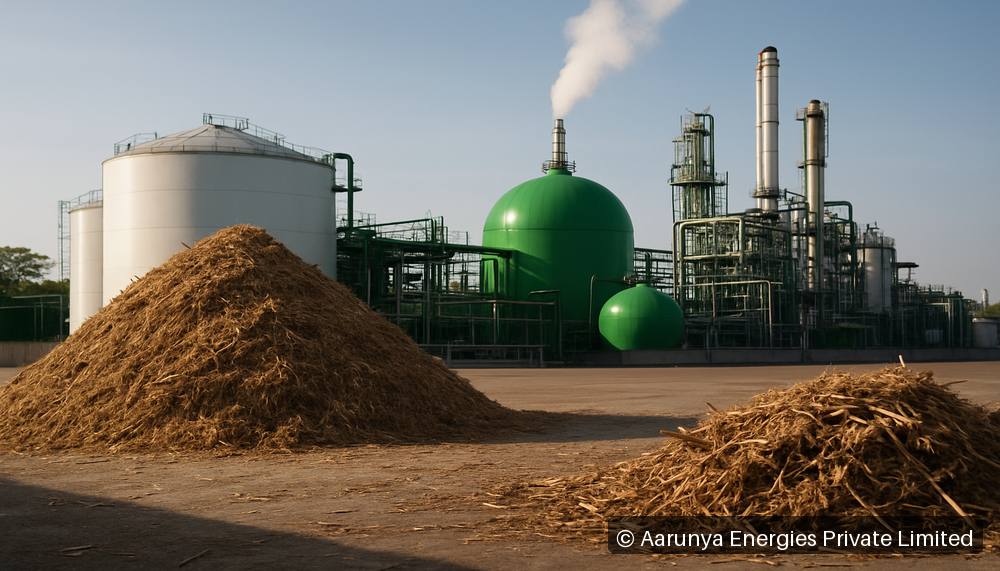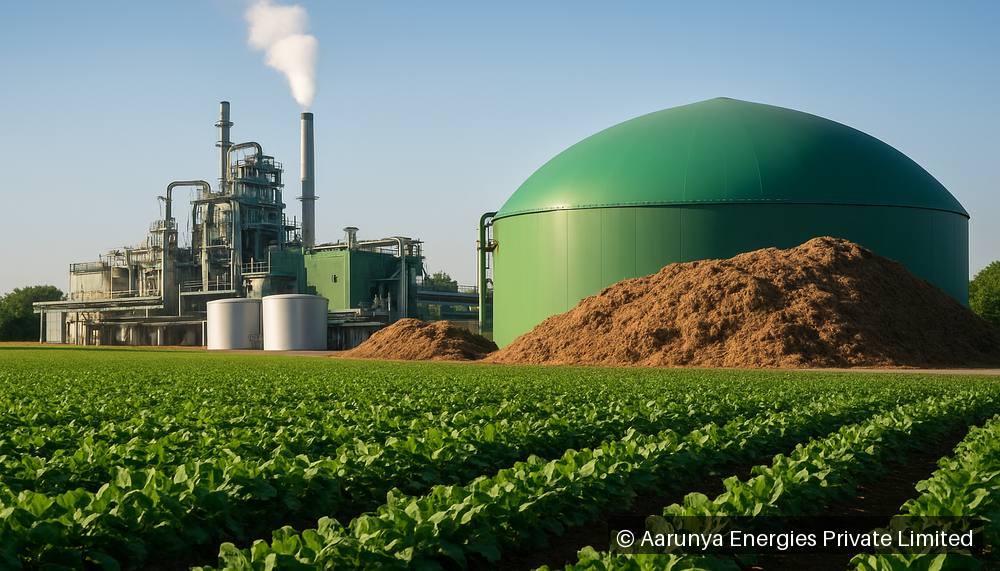
India has long been a significant player in the global agricultural sector, with urea being a crucial component for enhancing crop productivity. However, the traditional production of urea has faced scrutiny due to its environmental impact and dependence on fossil fuels. In recent years, the Indian government has initiated reforms in the urea subsidy program, paving the way for a transformative shift towards green urea production. This change aims not only to reduce costs but also to align agricultural practices with sustainable and eco-friendly methodologies.
The urea subsidy reform is a response to the increasing financial burden of fertilizers on the Indian economy. In the past, the government provided substantial subsidies to ensure affordable urea for farmers. However, this approach has led to inefficiencies and over-reliance on chemical fertilizers, adversely affecting soil health and contributing to environmental degradation. As a result, the government is now focusing on promoting green urea, which is produced using renewable energy sources and sustainable practices.
Green urea is synthesized through the use of green hydrogen, which is generated from renewable energy sources such as solar or wind power. By utilizing green hydrogen in the production of ammonia, the primary component of urea, the carbon footprint associated with traditional urea production can be significantly reduced. This innovative approach aligns with India’s commitment to achieving its climate goals and promoting sustainable agricultural practices.
One of the key benefits of transitioning to green urea is the potential for enhanced soil health. Traditional urea application can lead to soil degradation, nutrient imbalance, and increased greenhouse gas emissions. Green urea, on the other hand, can improve soil fertility without the adverse environmental effects associated with conventional fertilizers. By promoting the use of green urea, farmers can contribute to a more sustainable agricultural ecosystem that supports biodiversity and reduces the reliance on chemical inputs.
Moreover, the shift towards green urea production supports India’s broader renewable energy goals. The integration of renewable energy sources in the fertilizer production process not only helps to lower emissions but also enhances energy security. As India seeks to increase its renewable energy capacity, the production of green urea can serve as a vital link in the transition towards a more sustainable energy landscape.
The government has also recognized the importance of incentivizing farmers to adopt green urea. Through awareness programs and financial assistance, farmers can be educated about the benefits of green urea and supported in making the transition. This approach not only addresses the immediate needs of farmers but also contributes to long-term sustainability in agricultural practices.
In addition to environmental benefits, the shift towards green urea has the potential to stimulate economic growth in rural areas. The development of green urea production facilities can create job opportunities and foster local economies. By investing in renewable energy and sustainable agricultural practices, India can lead the way in the global movement towards greener agricultural solutions.
While the path to widespread adoption of green urea may face challenges, such as initial investment costs and technology adoption, the long-term benefits far outweigh these hurdles. India’s commitment to reforming its urea subsidy system and promoting green urea production is a significant step towards achieving sustainable agricultural practices and fostering environmental stewardship.
In conclusion, India's urea subsidy reform marks a pivotal moment in the country's agricultural landscape. The shift towards green urea production not only addresses the environmental and economic challenges associated with traditional urea but also aligns with India’s broader goals of sustainability and renewable energy. As stakeholders across the agricultural sector embrace this change, the potential for a more resilient and eco-friendly agricultural system becomes increasingly attainable.