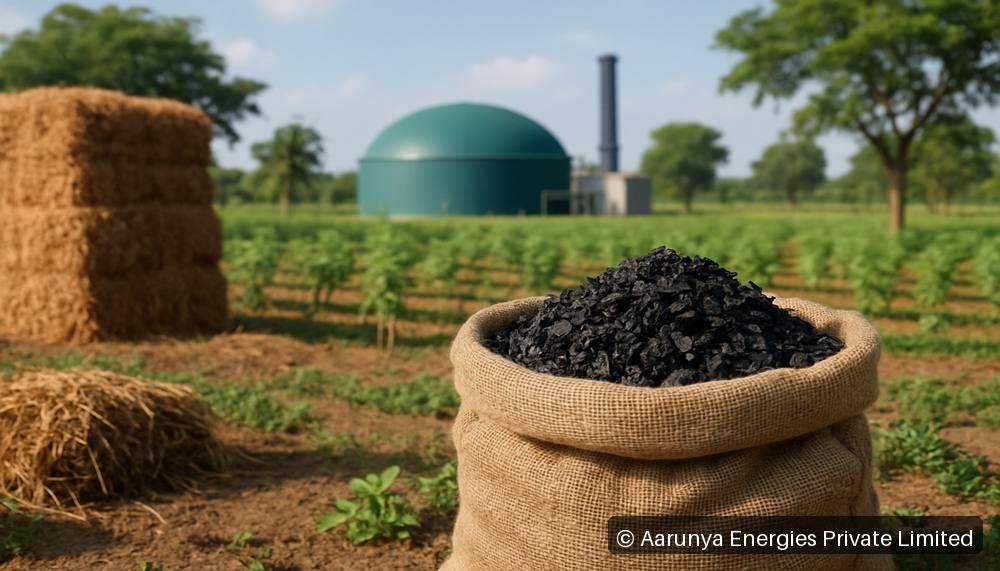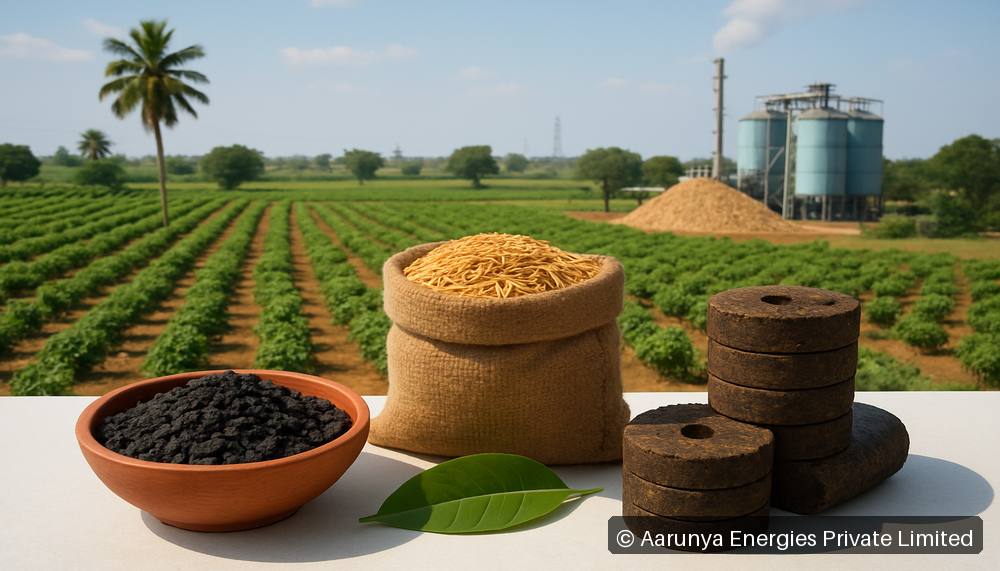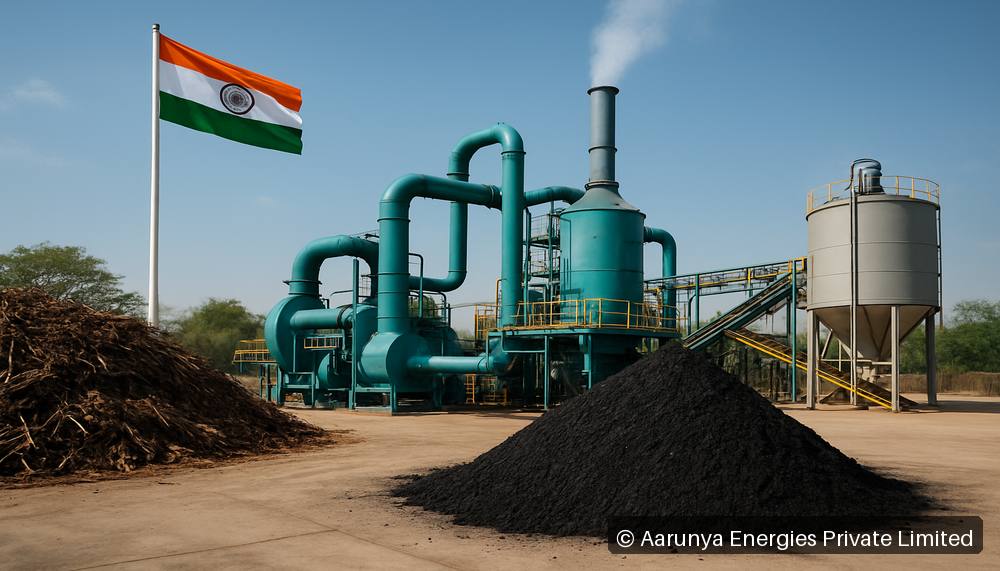
The emergence of biochar as a sustainable solution to waste management and carbon sequestration has gained significant traction in India. Industrial biochar production utilizes biomass waste to create a carbon-rich material that can improve soil health and sequester carbon. This article delves into the equipment necessary for biochar production, the associated costs, and the market opportunities that lie ahead in this evolving industry.
Biochar is produced through a process known as pyrolysis, where biomass is thermally decomposed in the absence of oxygen. The primary feedstocks for biochar production in India include agricultural residues, forestry waste, and organic waste from urban areas. The increasing amount of biomass waste generated in India presents a unique opportunity for the biochar industry, aligning with the country's goals for sustainable development and carbon neutrality.
The equipment required for industrial biochar production can vary significantly based on the scale of operations. Small-scale systems may include portable pyrolysis units that can process a few hundred kilograms of biomass per day. In contrast, large-scale operations require advanced pyrolysis reactors capable of handling several tons of biomass daily. Common types of equipment include:
1. **Pyrolysis Reactors**: The core of the biochar production process, these reactors can be batch or continuous flow systems. The choice depends on production goals and feedstock types.
2. **Feedstock Preparation Equipment**: Before biomass can be pyrolyzed, it often needs to be shredded or ground to ensure uniformity. Equipment like chippers, grinders, and conveyors are essential.
3. **Cooling Systems**: After pyrolysis, biochar must be cooled to prevent it from igniting. Cooling systems are crucial for maintaining safety and quality.
4. **Bagging and Storage Solutions**: Once produced, biochar must be stored and transported efficiently. Automated bagging systems can streamline this process.
The costs associated with setting up biochar production facilities can vary widely based on the scale and technology employed. For small-scale operations, initial investments can start from INR 10 lakhs to INR 50 lakhs, depending on the equipment and infrastructure. Large-scale facilities, however, can require investments upwards of INR 2 crores. Factors influencing these costs include:
1. **Equipment Type and Quality**: Higher efficiency and automation can lead to increased initial costs but offer lower operational costs in the long run.
2. **Installation and Commissioning**: Professional installation is crucial for ensuring the equipment operates efficiently and safely.
3. **Operational Expenses**: These include feedstock procurement, labor, maintenance, and utilities, which must be factored into the overall cost structure.
4. **Regulatory Compliance**: Adhering to environmental regulations may require additional investment in emission control systems.
Despite the costs, the market opportunities for biochar in India are promising. The increasing awareness of sustainable practices among farmers and agricultural firms has spurred demand for biochar, particularly for its soil enhancement properties. Biochar improves soil fertility, retains moisture, and enhances microbial activity, making it an attractive option for farmers looking to improve yields sustainably.
Further, with the Indian government's focus on climate change mitigation and carbon neutrality, biochar can contribute to carbon credit markets. This opens up additional revenue streams for biochar producers who can sell carbon credits generated through effective carbon sequestration.
The construction of biochar production facilities can also create local jobs, contributing to rural development and economic growth. As the demand for renewable energy sources increases, biochar can serve not only as a soil amendment but also as a source of renewable energy, thereby diversifying income sources for farmers and entrepreneurs alike.
In conclusion, industrial biochar production in India presents a multifaceted opportunity for sustainable development. With the right equipment, investment, and market strategies, stakeholders can capitalize on the growing demand for biochar while contributing to environmental sustainability. As India moves towards a greener economy, biochar stands out as a viable solution that aligns with national and global sustainability goals.