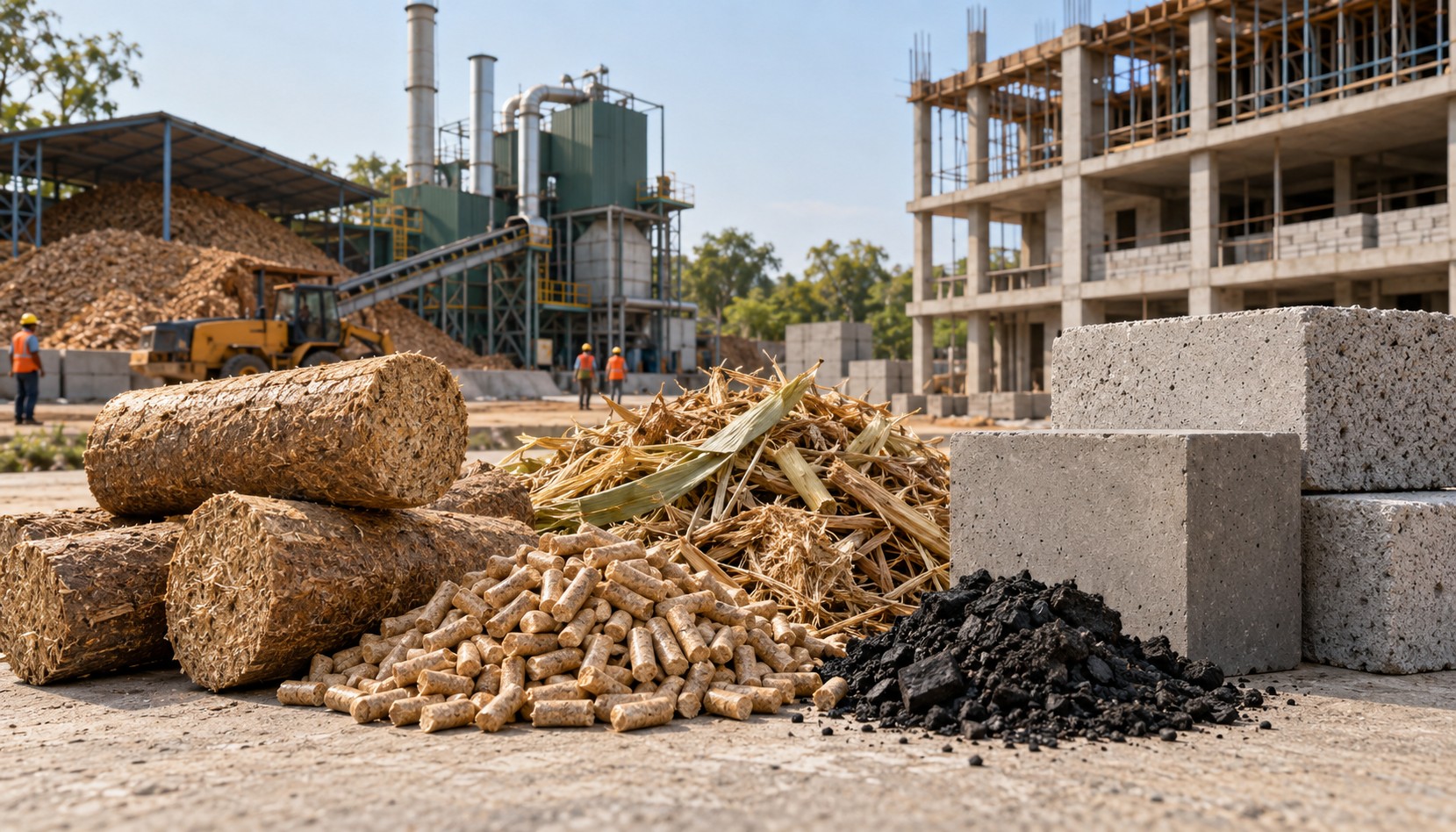
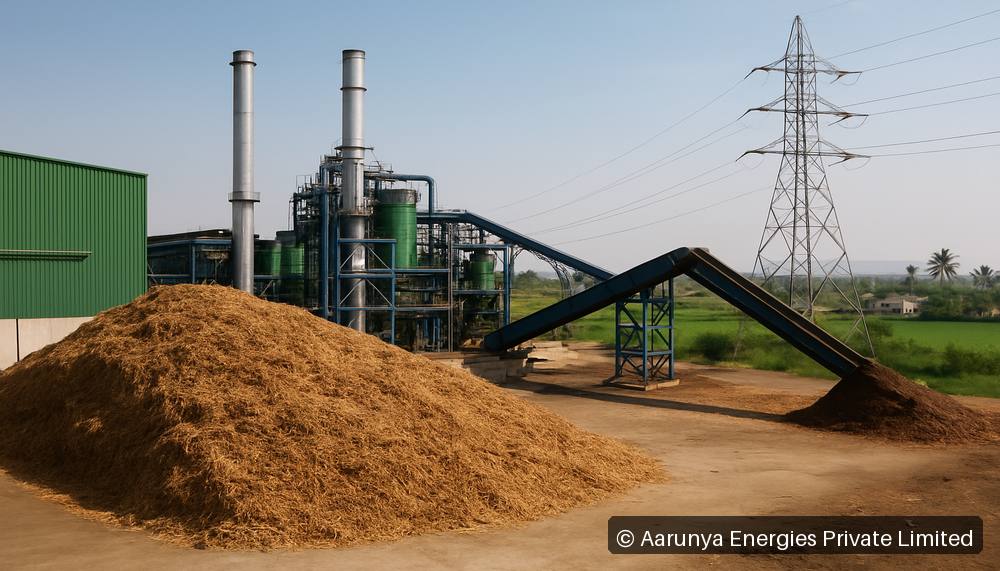
The industrial sector in India is witnessing a significant shift towards sustainable energy solutions, particularly with the adoption of biomass pellets for boiler operations. As industries seek to reduce their carbon footprint and lower operational costs, biomass pellets emerge as a viable alternative to traditional fossil fuels. This article explores the benefits of switching industrial boilers to biomass pellets, focusing on cost savings and emission reductions.
Biomass pellets are made from compressed organic materials, such as agricultural residues, wood waste, and other biomass inputs. They serve as a renewable energy source that not only helps in reducing waste but also promotes a circular economy. In contrast to conventional fuels like coal and oil, biomass pellets offer a lower carbon footprint, making them an environmentally friendly option for industrial boilers.
One of the primary advantages of switching to biomass pellets is cost savings. The cost of biomass pellets is generally lower than that of fossil fuels, especially in regions where agricultural residues are abundant. India, being an agrarian economy, produces significant amounts of biomass waste, which can be converted into pellets. This local sourcing reduces transportation costs and ensures price stability. Moreover, the increasing prices of coal and oil further enhance the economic appeal of biomass pellets, making them a cost-effective choice for industries.
In addition to direct cost savings, industries can benefit from various government incentives aimed at promoting renewable energy adoption. The Indian government has introduced policies and subsidies that support the use of biomass as fuel, which can further reduce the financial burden on businesses transitioning to biomass pellets. By leveraging these incentives, companies can offset initial investment costs and achieve quicker returns on their investments.
Another compelling reason for industries to switch to biomass pellets is the significant reduction in greenhouse gas emissions. Biomass pellets are considered carbon-neutral because the carbon dioxide (CO2) released during combustion is offset by the CO2 absorbed by the plants during their growth. This contrasts sharply with fossil fuels, which release significant amounts of CO2, contributing to climate change.
Switching to biomass pellets can lead to a substantial decrease in emissions of other harmful pollutants as well. For example, biomass combustion produces lower levels of sulfur dioxide (SO2), nitrogen oxides (NOx), and particulate matter compared to coal and oil. This reduction in emissions contributes to cleaner air and improved health outcomes for communities surrounding industrial facilities.
As industries become increasingly aware of their environmental responsibilities, the demand for cleaner energy solutions continues to rise. Biomass pellets not only align with corporate sustainability goals but also help companies meet stringent environmental regulations. With various regulatory frameworks promoting cleaner technologies, industries that transition to biomass are likely to gain a competitive edge in the evolving market landscape.
Additionally, the use of biomass pellets can enhance the overall efficiency of industrial boilers. Modern biomass boilers are designed to optimize combustion processes, ensuring higher thermal efficiency. This means that industries can achieve greater energy output with less input, further improving their operational efficiency and cost-effectiveness.
The transition to biomass pellets also supports local economies by creating jobs in biomass production, collection, and processing. This local sourcing of energy not only stimulates rural economies but also fosters community development, making it a win-win situation for both industries and society.
In conclusion, switching industrial boilers in India to biomass pellets presents a multitude of advantages, including significant cost savings and lower emissions. As the country moves towards a more sustainable energy future, biomass pellets represent a practical solution that aligns with both economic and environmental goals. With the right policies and investments, industries can lead the charge towards a greener, more sustainable India.