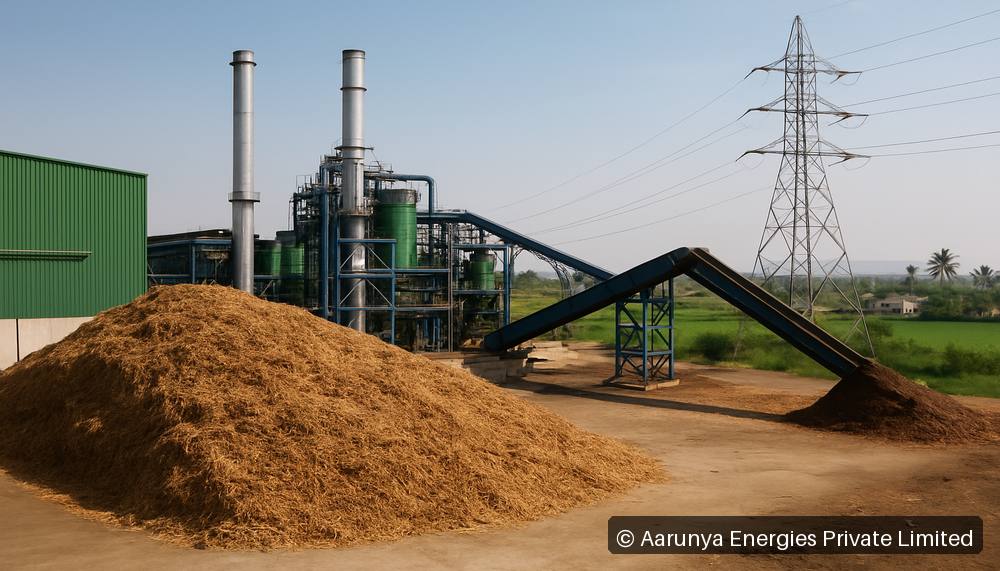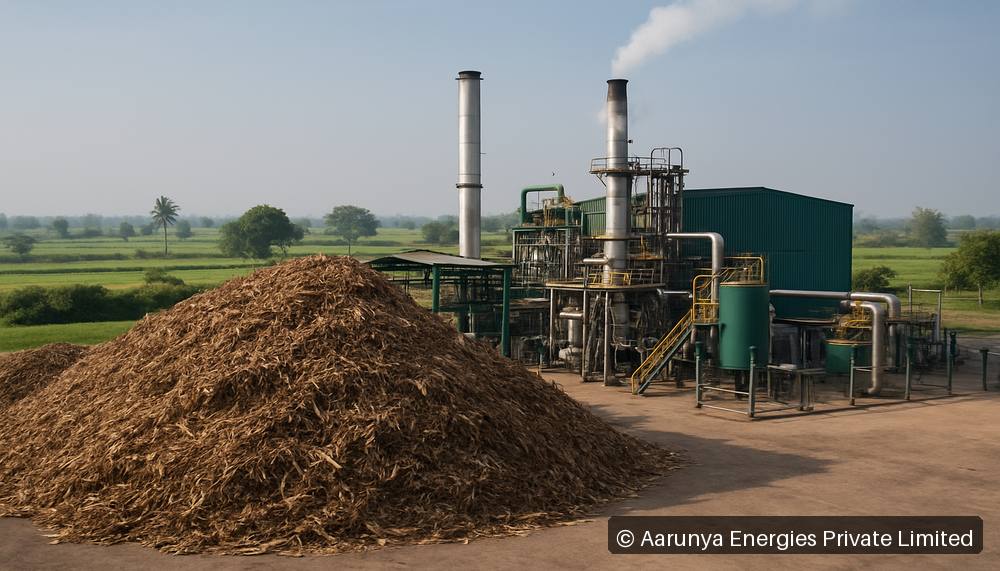
Agricultural residues, often considered waste, have emerged as a valuable resource in biomass energy production. In India, where agriculture is a cornerstone of the economy, innovative uses of these residues are paving the way for sustainable energy solutions. By transforming agricultural waste into biomass energy, we not only reduce environmental impact but also create economic opportunities for farmers and rural communities.
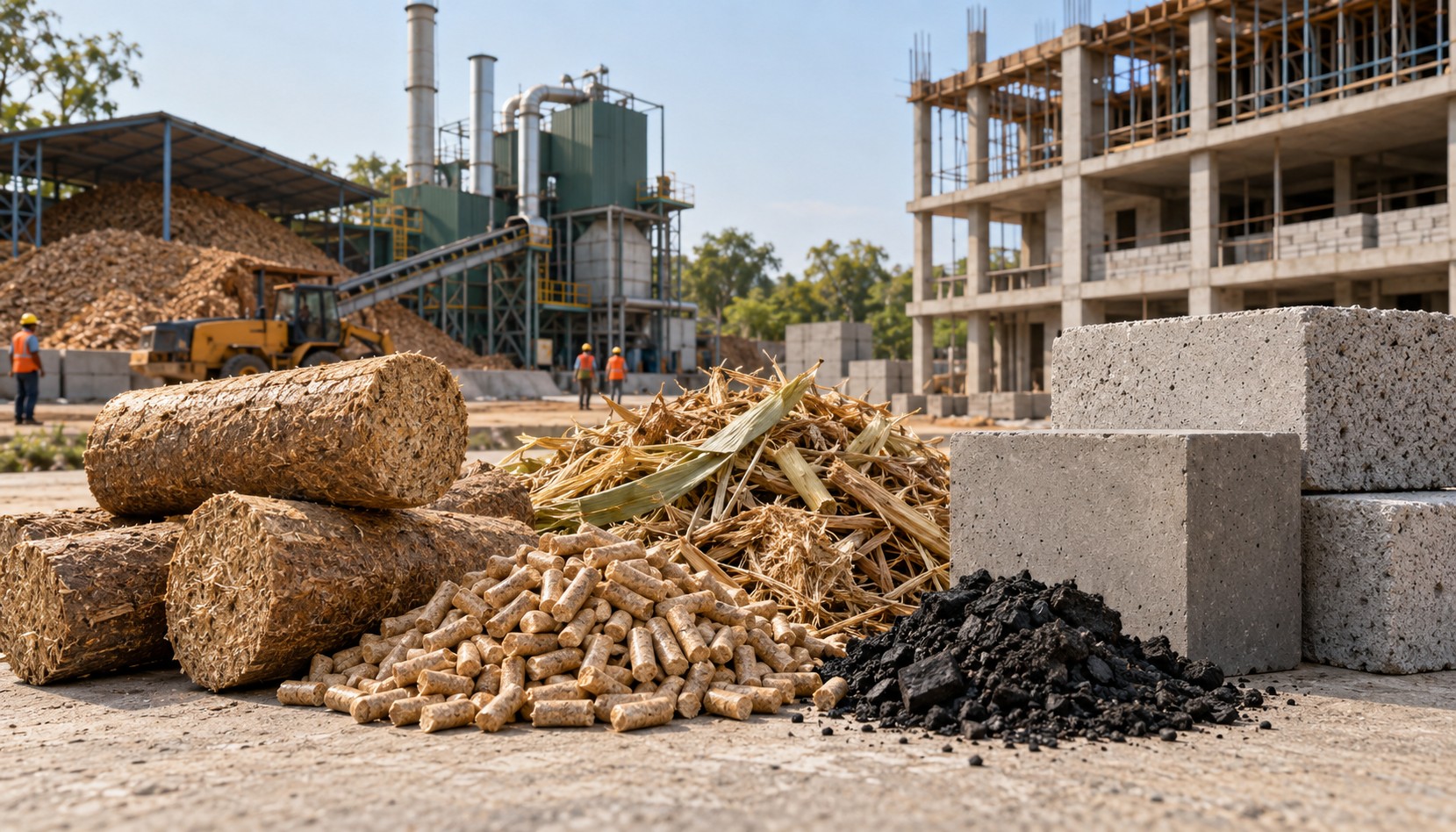
The primary agricultural residues in India include rice husks, wheat straw, sugarcane bagasse, and corn stalks. Instead of burning these residues, which contributes to air pollution and greenhouse gas emissions, innovative technologies are being developed to convert them into solid biofuels like briquettes and pellets. These products serve as cleaner alternatives to traditional fossil fuels, providing a renewable source of energy for various applications.
One of the most promising technologies for converting agricultural residues into biomass energy is gasification. This process involves heating organic materials in a low-oxygen environment to produce syngas, which can be used to generate electricity or as a fuel for vehicles. Gasification not only maximizes energy recovery from agricultural waste but also minimizes harmful emissions, making it an environmentally friendly option.
Another innovative approach is the production of biochar from agricultural residues. Biochar is a carbon-rich material created through pyrolysis, a process that heats organic material in the absence of oxygen. When applied to soil, biochar improves soil health, enhances water retention, and sequesters carbon, contributing to climate change mitigation. Farmers can benefit from biochar by improving crop yields and reducing the need for chemical fertilizers, creating a sustainable agricultural practice.
In India, the production of briquettes and pellets from agricultural residues is gaining traction. These solid biofuels are made by compressing the residues under high pressure, creating a dense and efficient fuel source. Briquettes and pellets can be used in industrial boilers, power plants, and even in residential heating, providing a clean-burning alternative to coal and wood. The use of biomass briquettes not only reduces dependency on fossil fuels but also helps in managing agricultural waste effectively.
Furthermore, the integration of biomass energy systems with existing agricultural practices presents an excellent opportunity for circular economy models. Farmers can utilize their agricultural residues to produce energy for their own operations, such as powering irrigation systems or running machinery. This not only reduces energy costs but also increases the overall resilience of their farming practices.
Co-firing biomass with coal in existing power plants is another innovative use of agricultural residues that is gaining popularity in India. By blending biomass fuels with coal, power producers can reduce their carbon footprint while maintaining energy output. This approach allows for a gradual transition to renewable energy sources, as it utilizes the existing infrastructure while promoting the use of sustainable biomass.
The challenge lies in creating a robust supply chain for agricultural residues. Farmers often lack awareness and infrastructure to collect and process these materials for energy production. Partnerships between farmers, energy producers, and government entities can help establish collection networks and processing facilities, ensuring that agricultural residues are efficiently utilized.
In conclusion, the innovative uses of agricultural residues in biomass energy production present a significant opportunity for India to enhance its renewable energy landscape. By embracing these technologies, we can not only reduce environmental impacts but also empower rural communities and farmers. As India continues to seek sustainable energy solutions, the potential of agricultural residues as a resource for biomass energy production will play a crucial role in achieving energy security and environmental sustainability.