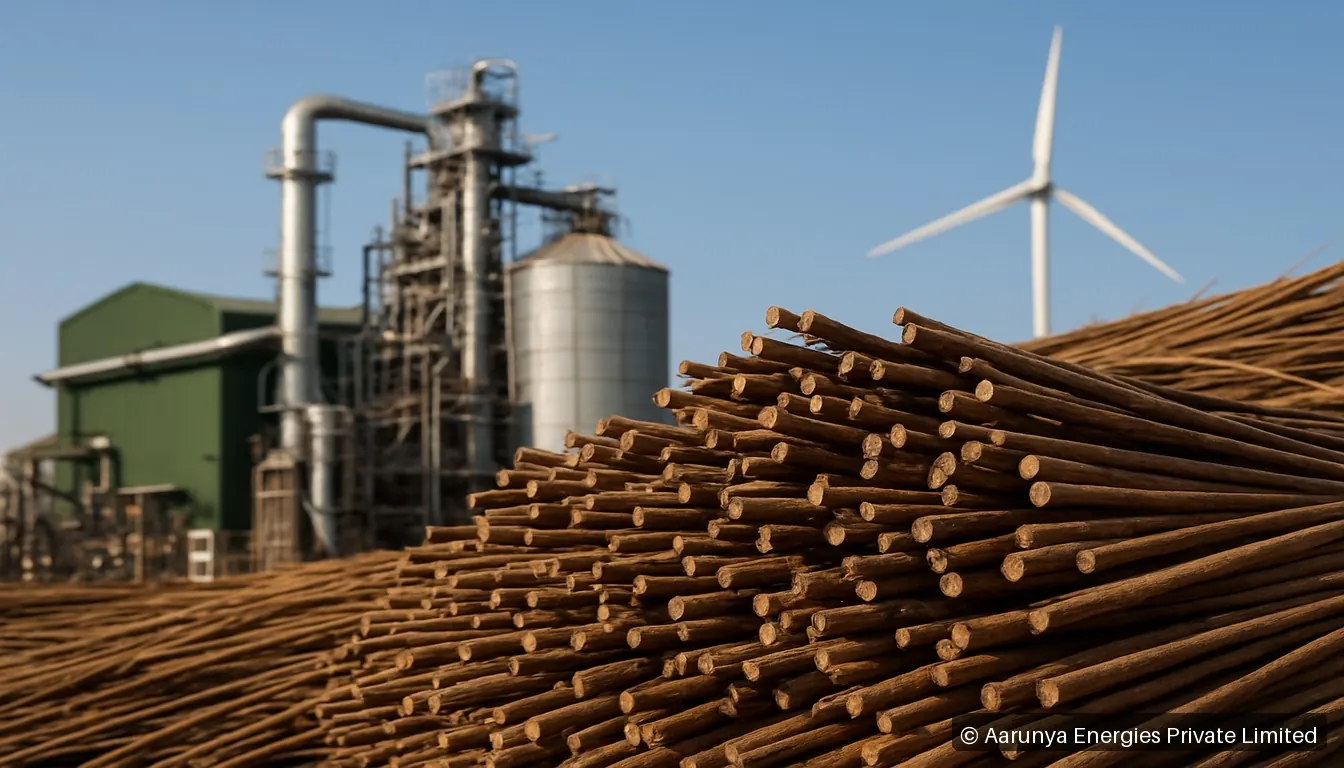
Jute cultivation is one of the most significant agricultural practices in West Bengal, India. The region is renowned for its production of high-quality jute fibers, but the cultivation of jute also generates substantial agricultural waste, particularly in the form of jute sticks. These jute sticks, often discarded or underutilized, present an excellent opportunity to be repurposed as biomass fuel, contributing to a more sustainable energy landscape in West Bengal and Eastern India.
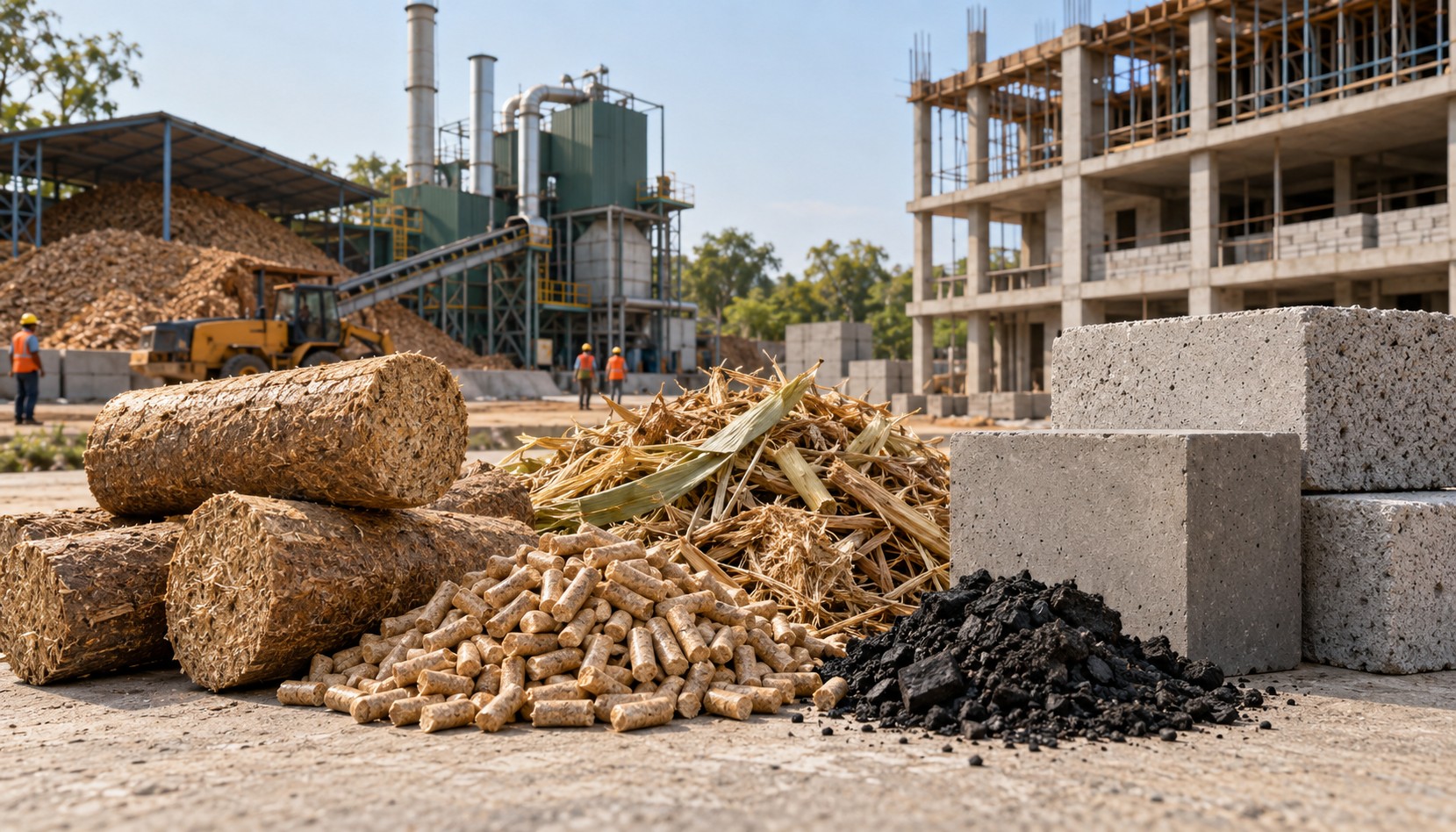
Biomass energy, derived from organic materials, is increasingly recognized for its potential to provide renewable energy solutions while simultaneously addressing waste management issues. Jute sticks, composed primarily of cellulose, hemicellulose, and lignin, possess excellent energy properties that make them suitable for conversion into solid biofuels such as briquettes and pellets. By utilizing jute sticks for energy production, we can reduce reliance on fossil fuels and mitigate environmental impacts associated with traditional energy sources.
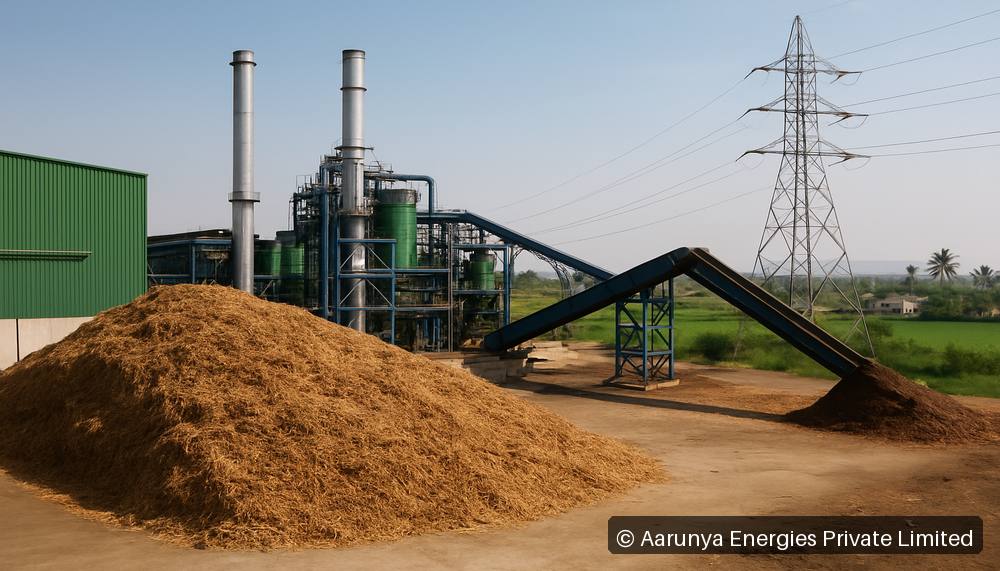
The potential of jute sticks as biomass fuel in West Bengal is immense. The state is the largest producer of jute in India, generating approximately 1.5 million tons of jute sticks annually. This agricultural by-product, if harnessed effectively, can significantly contribute to the bioenergy sector. The conversion of jute sticks into biomass fuel could lead to the creation of a circular economy in jute cultivation, where waste materials are transformed into valuable energy resources, thus promoting sustainability.
One of the key advantages of using jute sticks as biomass fuel is their low ash content and high calorific value. Compared to other biomass sources, jute sticks burn cleanly and produce minimal emissions, making them an environmentally friendly alternative. The utilization of jute sticks can help in reducing greenhouse gas emissions and air pollution, addressing critical environmental challenges that India faces today.
Moreover, the use of jute sticks for energy production can lead to economic benefits for farmers and local communities. By providing an additional income stream through the sale of jute sticks as biomass fuel, farmers can enhance their livelihoods and promote rural development. This can also lead to job creation in the biomass energy sector, further contributing to the economic growth of West Bengal and Eastern India.
In addition to the economic and environmental advantages, the use of jute sticks as biomass fuel aligns with India’s renewable energy goals. The Indian government has set ambitious targets for renewable energy generation, and biomass energy plays a crucial role in achieving these targets. By promoting the utilization of agricultural residues such as jute sticks, policymakers can facilitate the transition towards a cleaner, more sustainable energy future.
However, to fully realize the potential of jute sticks as biomass fuel, several challenges must be addressed. The lack of awareness among farmers about the benefits of utilizing agricultural residues for energy production is a significant barrier. Educational initiatives and training programs can help raise awareness and encourage farmers to adopt biomass fuel production practices. Additionally, the establishment of collection and processing infrastructure for jute sticks is essential to streamline the supply chain and make biomass fuel more accessible to end-users.
Investing in research and development is also crucial for optimizing the conversion processes of jute sticks into solid biofuels. Innovations in technology can enhance the efficiency and effectiveness of biomass conversion, making it a more attractive option for energy producers.
In conclusion, jute sticks hold significant promise as a biomass fuel source in West Bengal and Eastern India. By harnessing this agricultural by-product, we can promote sustainable energy solutions, support rural economies, and contribute to environmental conservation. As awareness and infrastructure for biomass fuel production improve, jute sticks can play a vital role in transforming the energy landscape of the region, paving the way for a greener future.