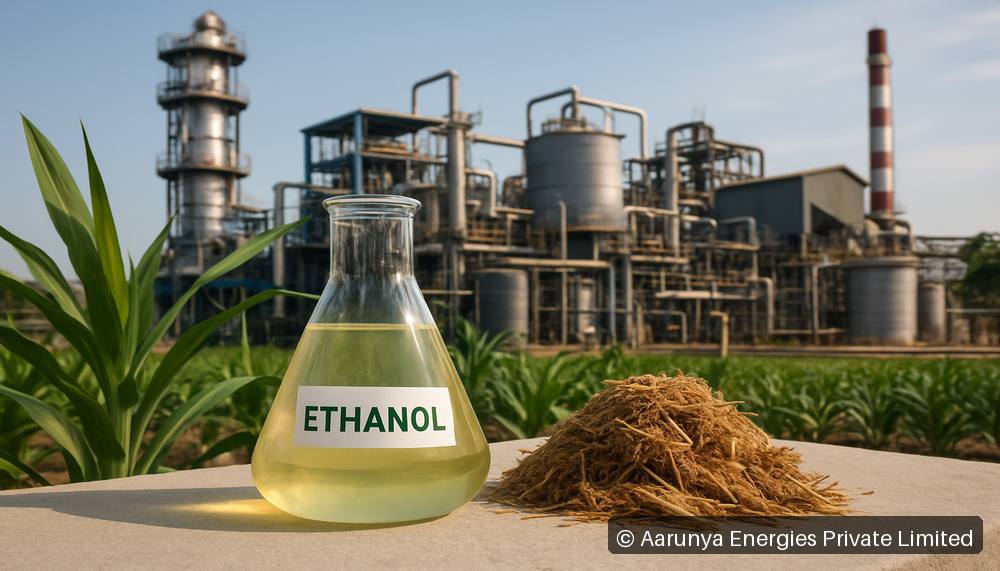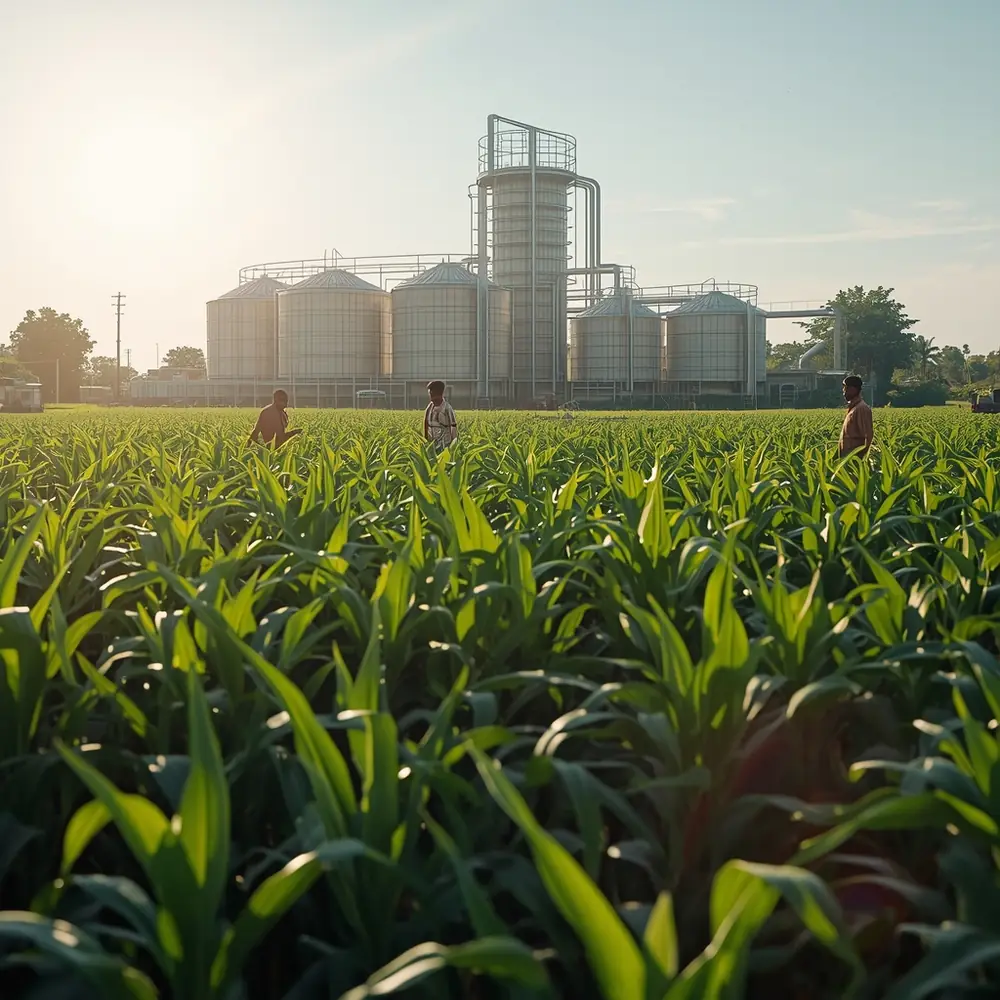
As India accelerates its ethanol blending program to reduce dependence on imported crude oil, maize is rapidly emerging as a vital crop for both agriculture and energy needs.
This was highlighted during a national workshop held at Birsa Agricultural University in Ranchi, where scientists, industry representatives, and farmers discussed the future of maize cultivation. The event was organized under the All India Coordinated Research Project on Maize.
Experts stressed the need to significantly increase maize production to meet the rising demand from the ethanol sector. With India pushing for higher ethanol blending targets, maize is expected to play a crucial role alongside sugarcane-based ethanol.
Vice-Chancellor Dr. SC Dubey emphasized expanding research on hybrid maize in collaboration with private sector players. He noted that future crop varieties must be disease-resistant, adaptable to climate variability, and nutritionally superior with higher protein and starch content.
At present, nearly half of India's maize production is used for animal feed. However, with ethanol demand rising, this consumption pattern is likely to shift, creating new opportunities for farmers and agribusinesses.
Dr. HS Jat, Director of the Indian Institute of Maize Research, announced that 39 new maize varieties are ready for release across different regions. These include varieties tailored for sweet corn, popcorn, baby corn, and biofuel applications, most of which are suitable for the Kharif season.
The workshop also reviewed research progress made in 2025 and laid out a roadmap to improve productivity and expand maize cultivation across diverse agro-climatic zones.
With participation from over 250 scientists representing 37 institutions, the event underscored the growing importance of maize in strengthening India's agricultural output and supporting its clean energy ambitions.