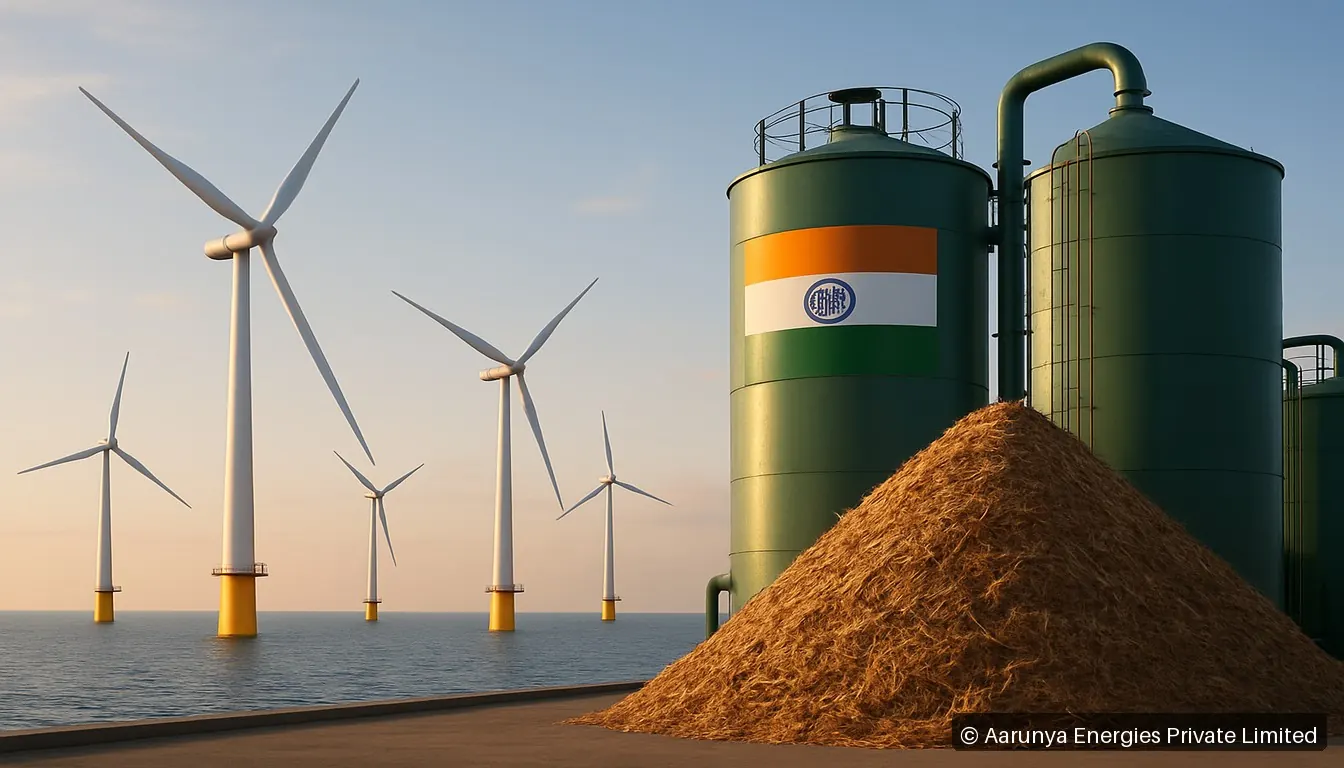
India is on the brink of a renewable energy revolution, and offshore wind energy is poised to play a pivotal role in this transformation. With its extensive coastlines, India has a unique opportunity to harness the vast potential of wind energy generated in offshore environments. This article will explore the potential of offshore wind energy along India's western and eastern coastlines, highlighting key opportunities, challenges, and the future outlook for this promising renewable energy source.
The western coastline of India, stretching from Gujarat to Maharashtra, boasts some of the strongest wind resources in the country. The Gujarat coast, in particular, has been identified as a prime location for offshore wind farms. With wind speeds averaging 8-9 m/s, this region can generate significant amounts of electricity. The state government has already initiated several projects aimed at tapping into this potential, with plans for large-scale offshore wind installations that could contribute to India’s renewable energy targets.
Conversely, the eastern coastline, including states like Tamil Nadu and Andhra Pradesh, also presents substantial offshore wind potential. The Bay of Bengal is characterized by favorable wind conditions, particularly during the monsoon season when wind speeds increase significantly. Preliminary studies suggest that the eastern coast could support offshore wind projects capable of generating several gigawatts of electricity, which could play a crucial role in meeting the energy demands of the region.
India's commitment to renewable energy is reflected in its National Wind-Solar Hybrid Policy and various state-level initiatives designed to promote clean energy generation. The government aims to achieve 175 GW of renewable energy capacity by 2022, with an increased focus on offshore wind energy as part of its long-term vision. The Ministry of New and Renewable Energy (MNRE) has set a target of 30 GW of offshore wind energy by 2030, indicating a significant shift towards sustainable energy solutions.
However, despite this promising potential, several challenges must be addressed to fully realize offshore wind energy in India. One major hurdle is the high capital investment required for offshore projects compared to onshore wind farms. Developing the necessary infrastructure, including ports, grid connections, and maintenance facilities, will require substantial funding and collaboration between public and private sectors.
Another challenge is the need for robust regulatory frameworks to ensure the sustainable development of offshore wind energy. Clear policies and guidelines are essential for addressing environmental concerns, maritime navigation, and local community impacts. Engaging stakeholders, including coastal communities, is crucial to fostering a collaborative approach to offshore wind energy development.
The technological landscape for offshore wind energy is evolving rapidly, and India has the opportunity to leverage advancements in turbine technology, floating wind platforms, and energy storage systems. By investing in research and development, India can position itself as a leader in offshore wind energy, attracting international expertise and investment.
As the global energy landscape shifts towards sustainability, offshore wind energy can significantly contribute to India’s energy independence, reduce greenhouse gas emissions, and create jobs in emerging sectors. The potential for economic growth through the development of a robust offshore wind industry can also enhance energy security and reduce reliance on fossil fuels.
In conclusion, the offshore wind energy potential along India's western and eastern coastlines is vast and largely untapped. With supportive government policies, technological advancements, and collaborative efforts among stakeholders, India can harness this renewable resource to power its future sustainably. The path forward will require addressing challenges and seizing opportunities, but the benefits of a thriving offshore wind energy sector are clear. As India continues to strive for a cleaner energy future, offshore wind will undoubtedly play a crucial role in this journey.