In recent years, India has made significant strides towards embracing renewable energy as a cornerstone of its sustainable development strategy. With ambitious targets set for reducing carbon emissions and increasing the share of renewable sources in its energy mix, the Indian government has implemented various mandates and policies that directly impact industries, particularly those reliant on biomass. For biomass buyers, understanding these mandates is crucial for compliance, strategic planning, and sustainability.
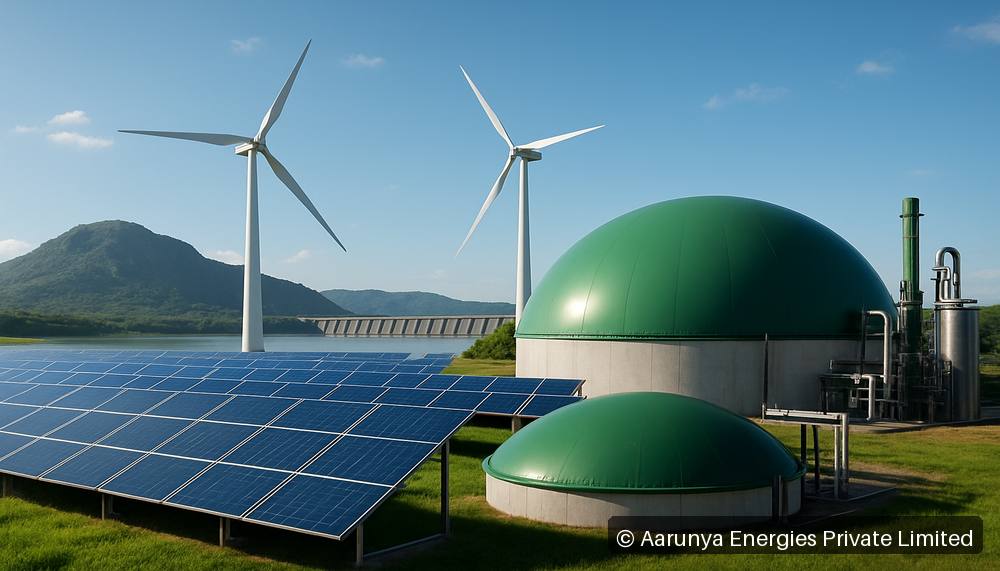
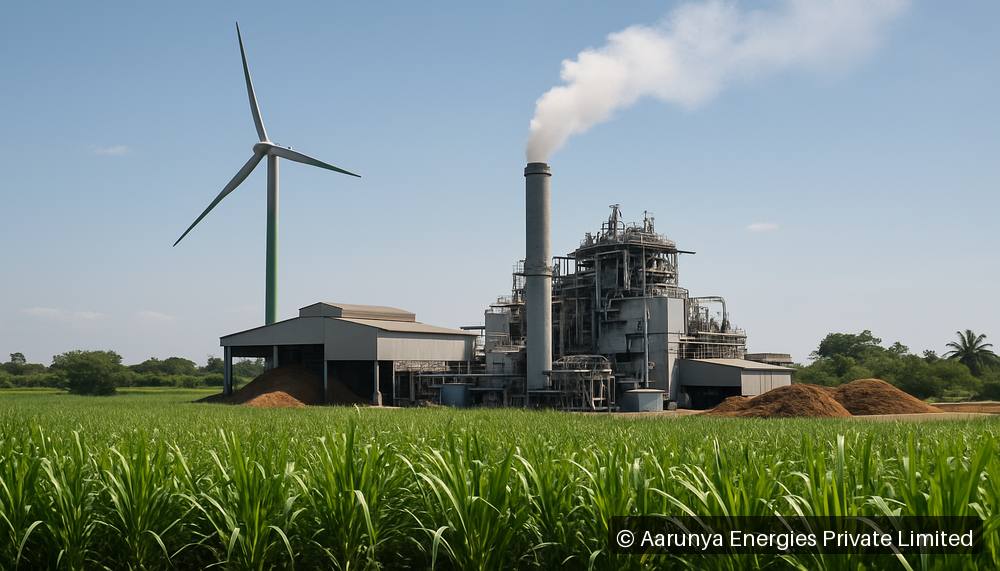
The Indian government aims to achieve 500 GW of non-fossil fuel power capacity by 2030, with a significant portion of this goal anchored in renewable energy sources, including biomass. Biomass energy, derived from organic materials such as agricultural residues, wood chips, and waste, is a pivotal component of India's renewable energy landscape. It not only contributes to energy generation but also plays a vital role in waste management and reducing greenhouse gas emissions.
One of the primary mandates that biomass buyers must be aware of is the Renewable Purchase Obligation (RPO). Under this regulation, obligated entities, primarily electricity distribution companies and large consumers of power, are required to procure a certain percentage of their energy from renewable sources, including biomass. This obligation is designed to stimulate the demand for renewable energy and encourage investments in sustainable practices. Biomass buyers should familiarize themselves with the RPO targets set by state electricity regulatory commissions to ensure they align their procurement strategies accordingly.
Additionally, the National Biofuel Policy outlines specific goals for the production and use of biofuels, including solid biofuels like briquettes and pellets. The policy aims to promote the use of biofuels in various sectors, including transportation and power generation, which creates a favorable environment for biomass buyers. Understanding the provisions of this policy can help biomass suppliers position themselves effectively within the market, especially as industries seek to comply with the growing sustainability mandates.
Another critical aspect for biomass buyers to consider is the evolving framework around carbon credits. The Indian government is working on implementing a carbon credit trading scheme that will incentivize industries to reduce their carbon footprints. Biomass energy is often considered carbon-neutral, making it an attractive option for companies looking to earn carbon credits. By utilizing biomass, industries can not only meet their energy needs but also contribute to their overall sustainability goals and potentially generate additional revenue through carbon credit sales.
As the demand for renewable energy surges, the supply chain for biomass can also become a focal point. Biomass buyers need to ensure a steady supply of quality raw materials to meet both regulatory requirements and market demand. This necessitates investing in reliable suppliers and establishing long-term contracts that are aligned with the mandates set forth by government regulations. Understanding the biomass supply landscape, including the availability of raw materials and the logistical challenges involved, is vital for making informed procurement decisions.
Furthermore, it is essential for biomass buyers to stay updated with the technological advancements in biomass processing and utilization. Innovations such as advanced biomass gasification, anaerobic digestion, and improved pelletizing techniques can enhance the efficiency and viability of biomass as a renewable energy source. By staying abreast of these technological trends, buyers can ensure that they are using the most efficient and environmentally friendly methods available.
In conclusion, the renewable energy mandates for Indian industries present both challenges and opportunities for biomass buyers. By understanding the Renewable Purchase Obligation, the National Biofuel Policy, and the evolving carbon credit framework, buyers can better navigate the complexities of the biomass market. Moreover, maintaining a robust supply chain and keeping pace with technological advancements will be essential for leveraging biomass energy effectively. As India continues to steer towards a sustainable energy future, informed decisions by biomass buyers will play a crucial role in driving the nation’s renewable energy goals forward.