In Punjab and Haryana, rice cultivation plays a significant role in the agricultural landscape, contributing to the economy and food security. However, post-harvest management of rice straw has become a pressing issue due to the environmental implications of burning. With the Indian government's increasing emphasis on sustainable practices, rice straw is emerging as a promising biomass fuel alternative for farmers in these regions, unlocking multiple opportunities.
Rice straw, the residue left after harvesting rice, has long been viewed as an agricultural waste product. Traditionally, many farmers have resorted to burning this straw, leading to severe air pollution and environmental degradation. However, with the shift towards renewable energy sources, rice straw can be utilized as biomass fuel, providing a dual benefit of waste management and energy production.
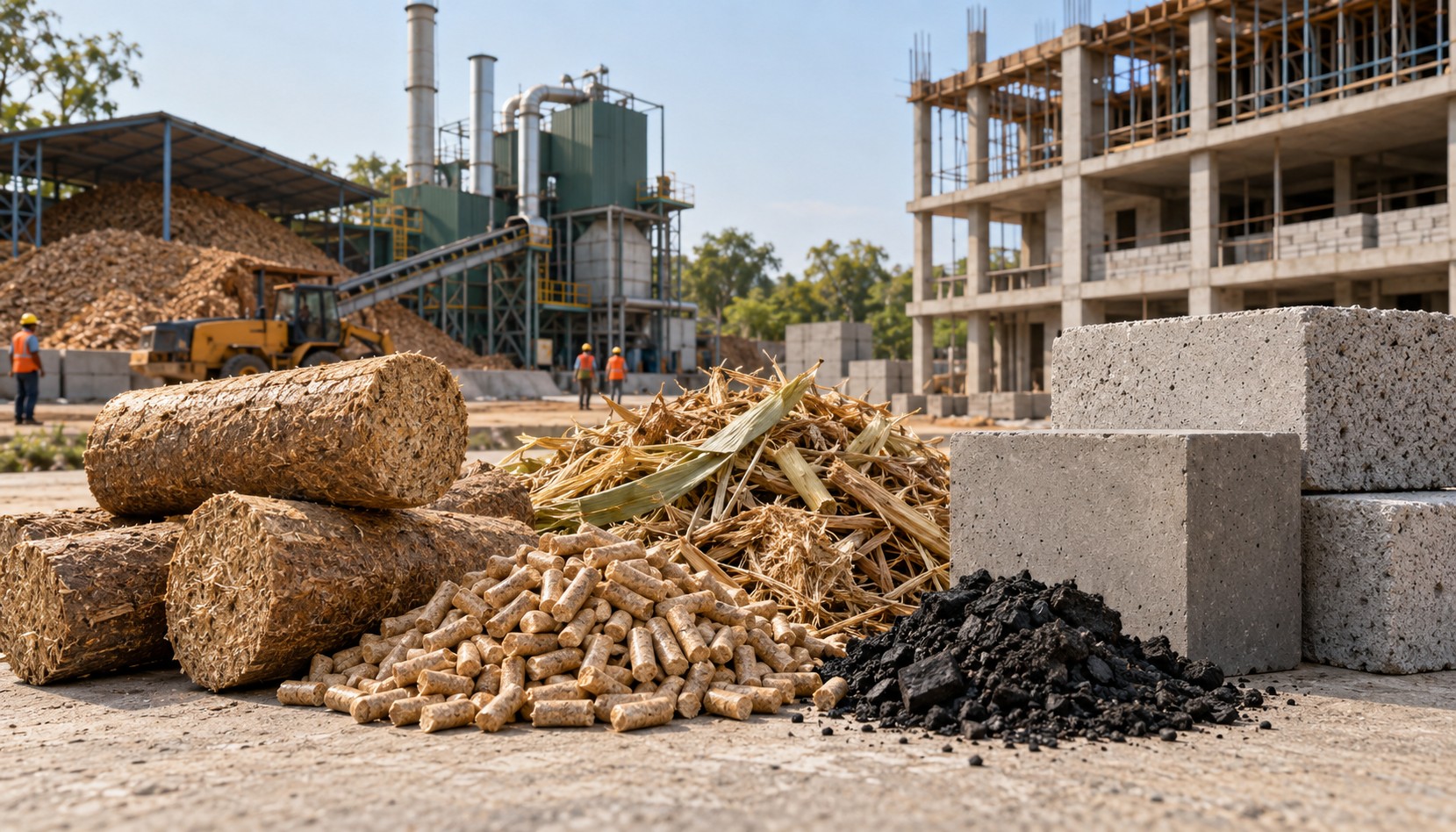
One of the primary benefits of converting rice straw into biomass fuel is the potential for farmers to generate additional income. By collecting and processing rice straw into briquettes or pellets, farmers can sell these biofuels to industries looking for sustainable energy solutions. This not only reduces waste but also opens up a new revenue stream for farmers, helping to improve their financial stability.
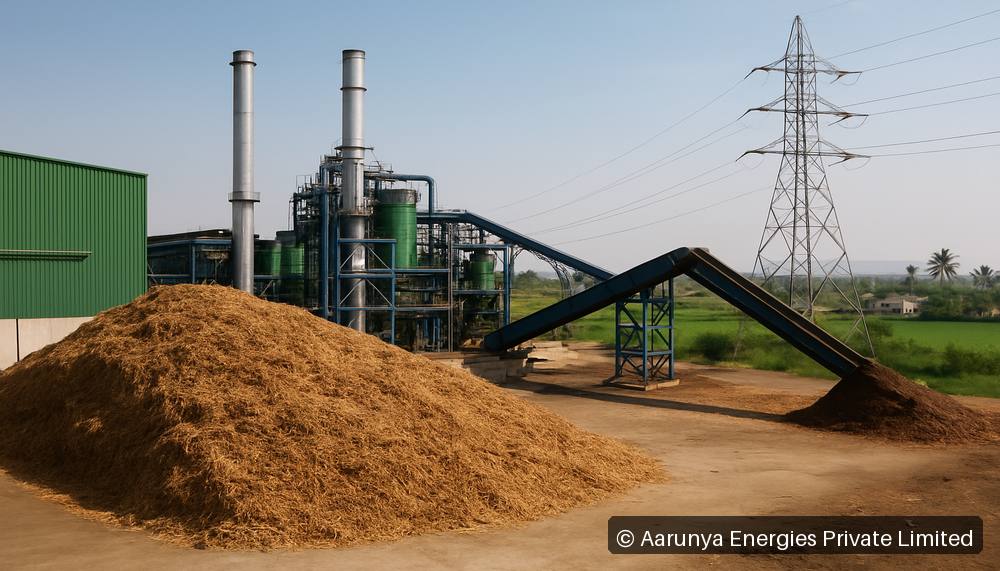
Moreover, the biomass energy sector is gaining traction in India, with a growing demand for renewable energy sources. The government has introduced various incentives and schemes to promote biomass energy production, including subsidies for setting up bioenergy plants. Farmers in Punjab and Haryana can take advantage of these initiatives to invest in biomass processing equipment, making it easier to convert their rice straw into valuable fuel.
The environmental benefits of utilizing rice straw as biomass fuel cannot be overstated. By reducing the practice of burning straw, farmers can significantly contribute to improving air quality and decreasing greenhouse gas emissions. Biomass energy production from rice straw also contributes to the circular economy, where waste is transformed into a resource, thus promoting sustainability.
In addition to reducing emissions, biomass fuel derived from rice straw can help in mitigating soil degradation. When rice straw is processed into biofuels, it can also be used in the production of biochar, a valuable soil amendment. Biochar can enhance soil fertility, improve water retention, and promote healthier crop yields, creating a positive feedback loop for farmers.
The transition to biomass fuel production is not without its challenges. Farmers may need access to technology and training to effectively process rice straw into biofuels. Collaborations with agricultural universities, research institutions, and private sector players can help facilitate this knowledge transfer. Furthermore, establishing a robust supply chain for collecting and processing rice straw is crucial for the success of biomass fuel initiatives.
Market development is another critical aspect to consider. Farmers must be educated about the economic benefits of biomass fuel and how to position their products in the market. Awareness campaigns and workshops can help farmers understand the potential profits and the importance of sustainable practices.
As the demand for renewable energy continues to rise globally, the opportunity for Punjab and Haryana farmers to capitalize on rice straw as biomass fuel is significant. By embracing this opportunity, they can not only enhance their economic prospects but also contribute to a cleaner environment and promote sustainable agricultural practices.
In conclusion, rice straw presents a viable biomass fuel alternative for farmers in Punjab and Haryana. With the right support, education, and market access, farmers can transform this agricultural waste into a valuable resource, paving the way for a more sustainable and economically viable future. The time is ripe for farmers to explore this opportunity and be part of the renewable energy revolution in India.