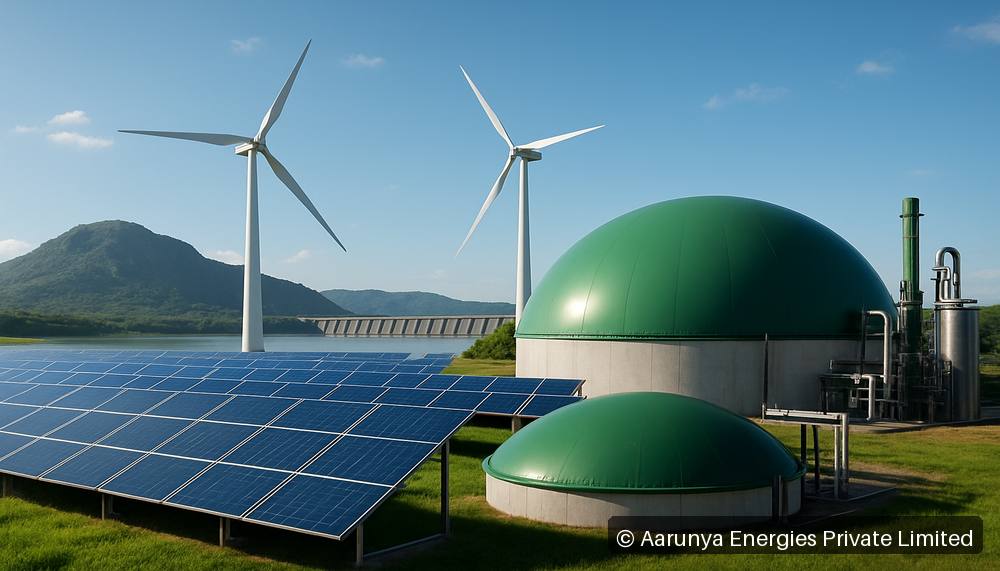
As India marches towards a sustainable future, the adoption of renewable energy sources is becoming increasingly vital for industries. Among the various renewable energy solutions available, rooftop solar systems stand out as a practical and cost-effective option for businesses looking to reduce their energy expenses. This article delves into the benefits of rooftop solar adoption in Indian industries, focusing on cost savings and the advantages of net metering.
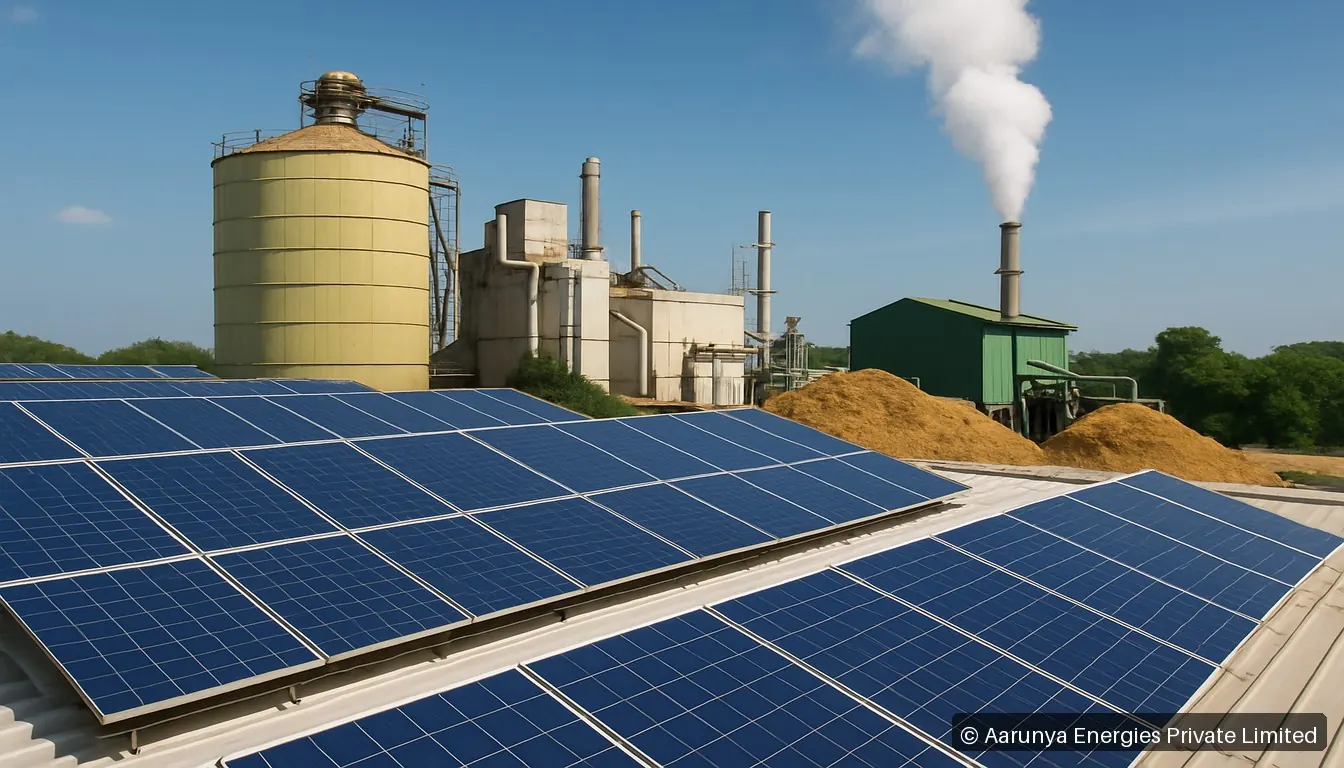
Rooftop solar installations allow industries to harness the power of the sun, transforming their rooftops into energy-generating assets. With the Indian government actively promoting solar energy through initiatives and subsidies, industries are presented with an opportunity to significantly cut down on their electricity bills. By generating their own electricity, businesses can mitigate the impact of rising power tariffs, leading to substantial financial savings over time.
One of the primary benefits of rooftop solar systems is the reduction in operational costs. Industries often face high energy consumption, particularly in manufacturing and production processes. By installing solar panels, companies can produce a portion of their energy requirements, thereby decreasing their dependence on grid electricity. This shift not only lowers electricity bills but also helps in stabilizing energy costs against fluctuating market prices.
In addition to direct savings, rooftop solar systems contribute to a company's overall sustainability goals. By reducing reliance on fossil fuels and lowering greenhouse gas emissions, businesses can enhance their corporate social responsibility (CSR) profile. This move towards sustainability is becoming increasingly important as customers and stakeholders are more inclined to support environmentally responsible companies.
Net metering is another compelling aspect of rooftop solar adoption for Indian industries. This system allows businesses to sell excess power generated by their solar panels back to the grid. When the solar energy produced exceeds the consumption, the surplus energy can be fed back into the grid, resulting in credits that can offset future electricity bills. This not only maximizes the financial benefits of solar energy systems but also encourages industries to produce more renewable energy.
The implementation of net metering in India has been a game-changer, especially after regulatory frameworks were established in various states. Each state has its own set of policies regarding net metering, including limits on the capacity of solar installations and the rates at which energy can be sold back to the grid. Companies can benefit greatly from understanding these regulations and optimizing their systems accordingly, ensuring they receive the most significant financial advantages.
Moreover, the installation of rooftop solar systems can be completed with relatively low capital investment compared to other renewable energy projects, making it accessible for small and medium enterprises (SMEs) as well. Various financing options, including loans, subsidies, and leasing, are available to help businesses transition to solar energy without incurring overwhelming upfront costs.
The long-term benefits of rooftop solar adoption become even more apparent when considering the lifespan of solar panels, which can last for 25 years or more with minimal maintenance. This longevity means that the initial investment can lead to decades of energy savings, making rooftop solar a financially sound decision for industries.
Furthermore, as India continues to push for a greener economy, companies adopting renewable energy solutions such as rooftop solar may also gain an edge in securing carbon credits. These credits can become a new revenue stream for businesses, further enhancing the financial case for adopting solar energy.
In conclusion, the adoption of rooftop solar systems in Indian industries presents a myriad of benefits, primarily through cost savings and the advantages of net metering. With rising energy costs and a growing emphasis on sustainability, businesses that leverage rooftop solar stand to gain not only financially but also in terms of reputation and compliance with evolving environmental regulations. As India continues to invest in renewable energy infrastructure, the future looks bright for industries willing to embrace this transformative energy source.