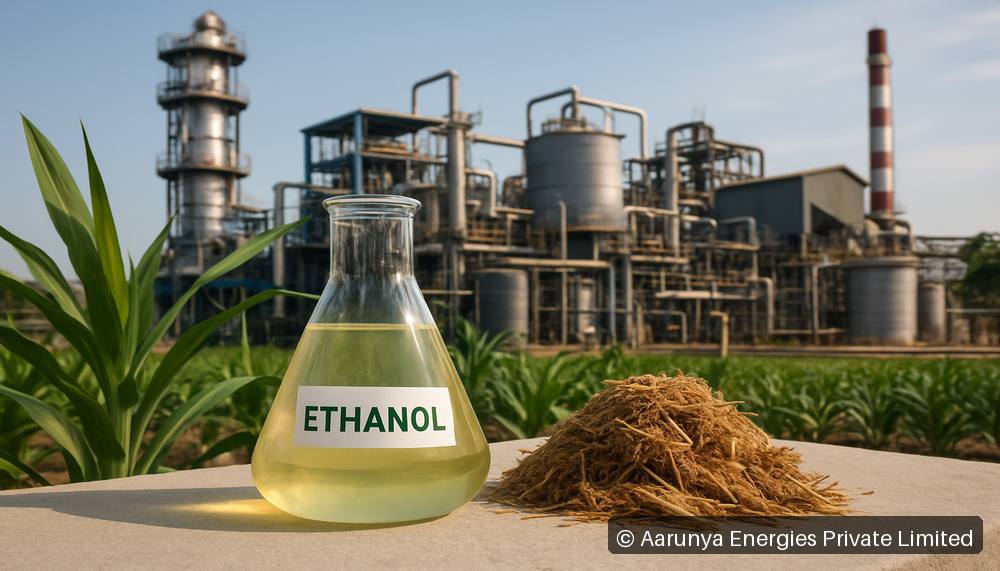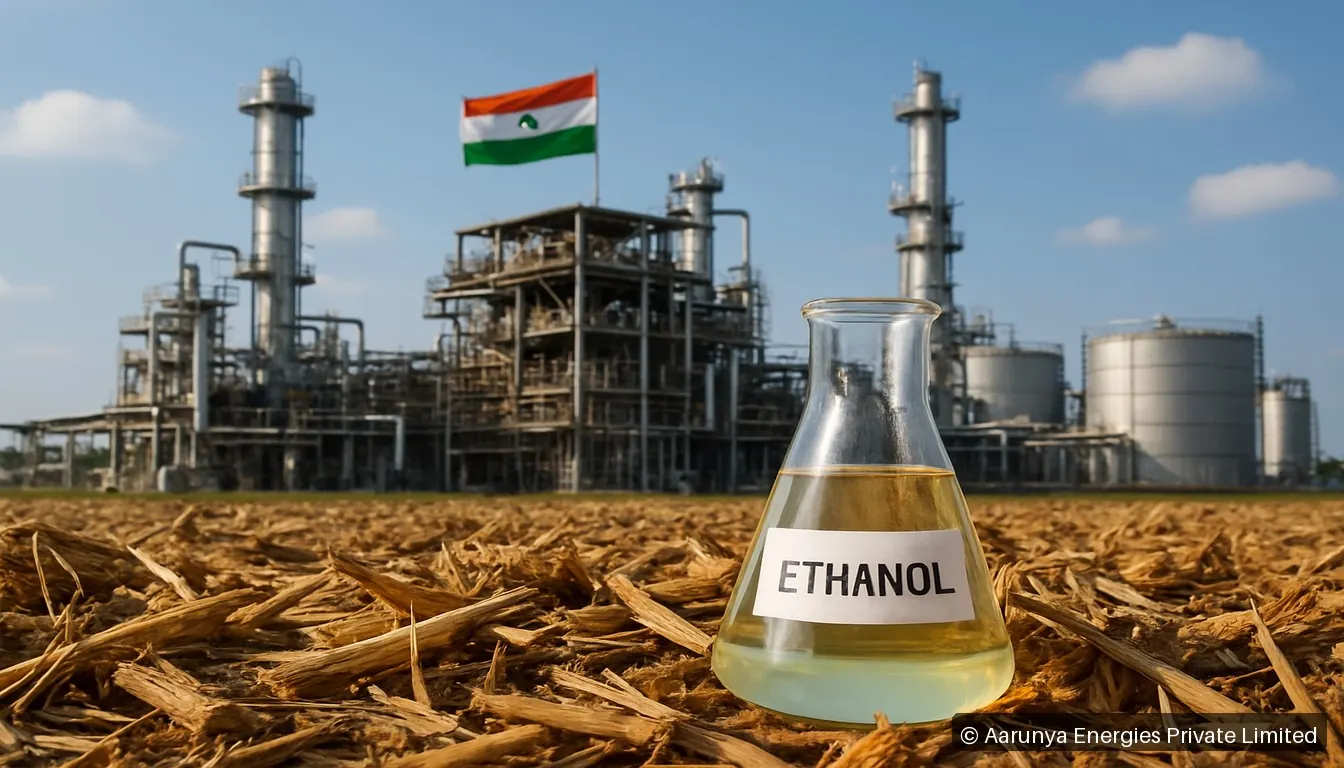
Second generation ethanol (2G ethanol) is emerging as a transformative force in India's renewable energy landscape. Unlike first-generation ethanol, which is produced from food crops like sugarcane and corn, 2G ethanol is derived from non-food biomass sources such as agricultural residues, forestry waste, and other lignocellulosic materials. This shift not only addresses food security concerns but also promotes sustainable agricultural practices and contributes to waste management solutions.
The technology for producing second generation ethanol involves advanced processes such as enzymatic hydrolysis and fermentation. These processes break down the complex carbohydrates in biomass into fermentable sugars, which are then converted into ethanol. Recent advancements in biotechnology have significantly improved the efficiency of these processes, enabling higher yields and reducing production costs. Companies in India are increasingly investing in research and development to optimize these technologies further.
In India, the government has recognized the potential of second generation ethanol to reduce dependence on fossil fuels and enhance energy security. The National Biofuel Policy 2018 aims to promote the use of biofuels, including 2G ethanol, with a target of achieving 20% ethanol blending in petrol by 2030. This policy framework not only sets ambitious blending targets but also encourages investment in the biofuel sector through various incentives and subsidies.
Moreover, the government has initiated initiatives such as the Ethanol Blending Program, which aims to increase the supply of ethanol from various sources, including second generation feedstocks. This program is crucial in addressing the growing demand for cleaner fuels and reducing greenhouse gas emissions. Additionally, state governments are also adopting policies to support the establishment of biofuel production facilities, offering incentives such as tax breaks and grants to attract private investments.
The investment outlook for second generation ethanol in India is promising. With the government's commitment to renewable energy and sustainability, numerous private players are entering the market. Venture capital and private equity firms are increasingly interested in funding start-ups and established companies focusing on 2G ethanol technology. Furthermore, international collaborations are on the rise, with foreign companies bringing in expertise, technology, and funding to bolster India's biofuel capabilities.
The market for second generation ethanol is not limited to transportation fuels. 2G ethanol can also be utilized in the chemical industry as a feedstock for producing high-value chemicals and bio-based products. This diversification opens new avenues for revenue generation and strengthens the economic viability of biofuel production.
However, challenges remain in scaling up production and ensuring the sustainability of feedstock supply chains. The availability of biomass resources can be inconsistent, and developing efficient logistics for collection and transportation is crucial. Moreover, public awareness and acceptance of biofuels play a significant role in driving demand for second generation ethanol.
In conclusion, second generation ethanol presents a significant opportunity for India to enhance its renewable energy portfolio while promoting sustainable agricultural practices. With supportive policies, technological advancements, and increased investment, the future of 2G ethanol in India looks bright. It is imperative for stakeholders, including the government, industry players, and investors, to collaborate and foster an ecosystem that encourages innovation and growth in the biofuels sector. As India moves towards a greener energy future, second generation ethanol will undoubtedly play a pivotal role in achieving energy independence and environmental sustainability.