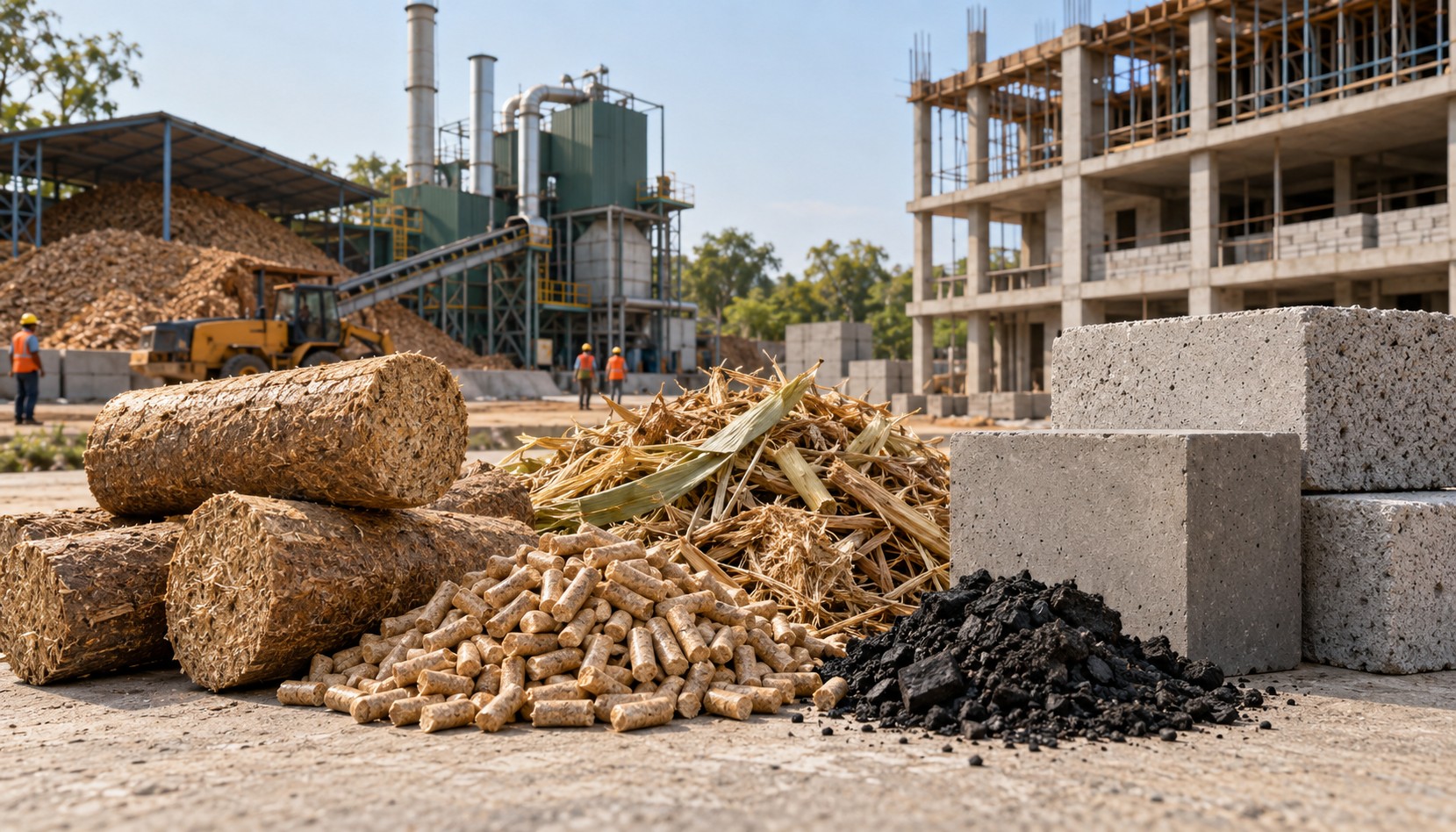
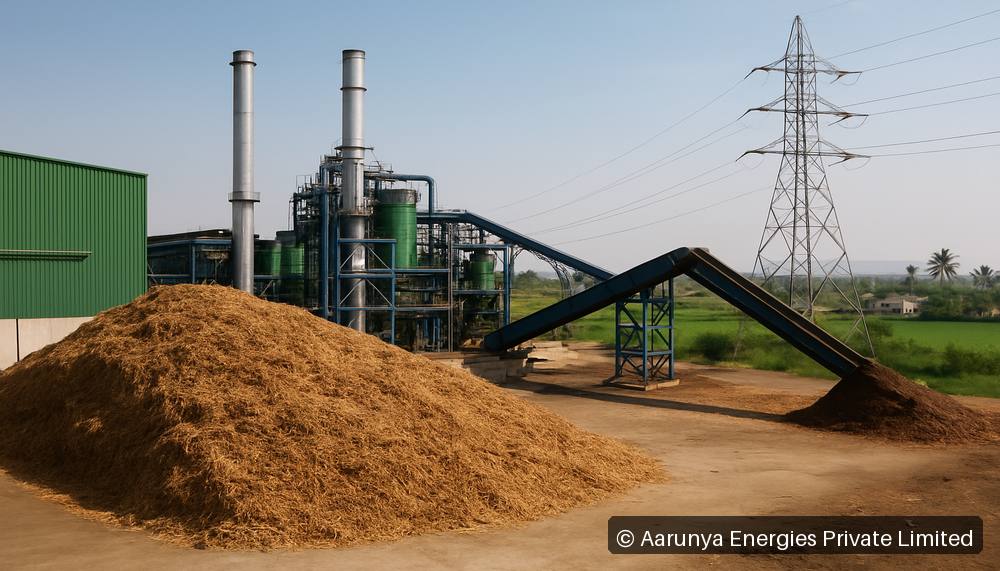
In recent years, solid biomass fuels have gained significant traction in India as a sustainable and eco-friendly energy source. The increasing demand for renewable energy alternatives has led to the establishment of standards that ensure the quality and reliability of these fuels. One of the most critical standards in this domain is IS 17604, which governs the specifications for solid biomass fuels, including briquettes and pellets. This article delves into the IS 17604 standard, its significance for buyers, and the implications of these standards in the Indian biomass energy market.
IS 17604 is a national standard developed by the Bureau of Indian Standards (BIS) that outlines the requirements for solid biofuels, specifically focusing on their composition, physical properties, and testing methods. The standard aims to promote the use of biofuels that meet specific quality criteria, thereby ensuring that consumers receive reliable and efficient products. Understanding the parameters set by IS 17604 is essential for buyers looking to invest in solid biomass fuels, as it directly impacts their purchasing decisions and the overall performance of the fuels.
For buyers, IS 17604 brings several advantages. First and foremost, compliance with these standards ensures that the biomass fuels are of high quality, which translates to better energy output and efficiency. Solid biomass fuels that meet IS 17604 specifications are tested for key attributes such as moisture content, ash content, calorific value, and mechanical durability. These factors are crucial in determining the fuel's performance in various applications, from industrial heating to power generation.
Moreover, IS 17604 contributes to the credibility and trustworthiness of suppliers in the biomass sector. When buyers see that a manufacturer adheres to these standards, it reassures them of the product's reliability and compliance with national norms. This, in turn, fosters a transparent marketplace where quality is prioritized, reducing the risk of substandard products entering the market.
Another important aspect of IS 17604 is its role in promoting sustainable practices within the biomass industry. By encouraging the use of biofuels that meet established quality criteria, the standard supports the broader goals of environmental sustainability and energy security. Buyers can feel confident that their investment in solid biomass fuels aligns with the principles of renewable energy and contributes to reducing greenhouse gas emissions.
The implementation of IS 17604 is particularly relevant in India, where the biomass energy sector holds immense potential. With a large agricultural base and abundant biomass resources, India is well-positioned to harness solid biofuels for various applications. However, the lack of standardized quality measures has historically posed challenges for buyers and suppliers alike. IS 17604 addresses this gap by providing a framework that enhances product quality and consistency across the industry.
As a buyer, it is crucial to be aware of the specific parameters outlined in IS 17604 when evaluating potential suppliers. Look for documentation or certification that confirms compliance with these standards. Key performance indicators, such as calorific value and moisture content, should align with the specifications outlined in IS 17604 to ensure optimal performance.
In conclusion, IS 17604 is a pivotal standard that shapes the landscape of solid biomass fuels in India. For buyers, understanding and leveraging these standards can lead to informed purchasing decisions, improved product performance, and a commitment to sustainable energy practices. As the market for renewable energy continues to evolve, adherence to IS 17604 will remain a critical factor in fostering a reliable and efficient biomass energy sector in India. Investing in solid biomass fuels that meet these standards not only benefits individual buyers but also contributes to the overall growth and sustainability of the energy landscape in the country.