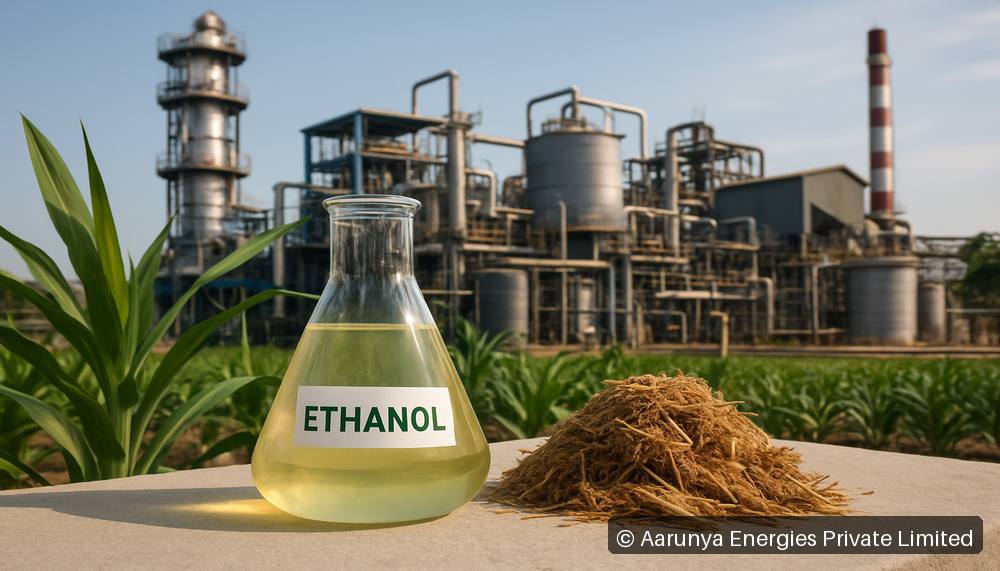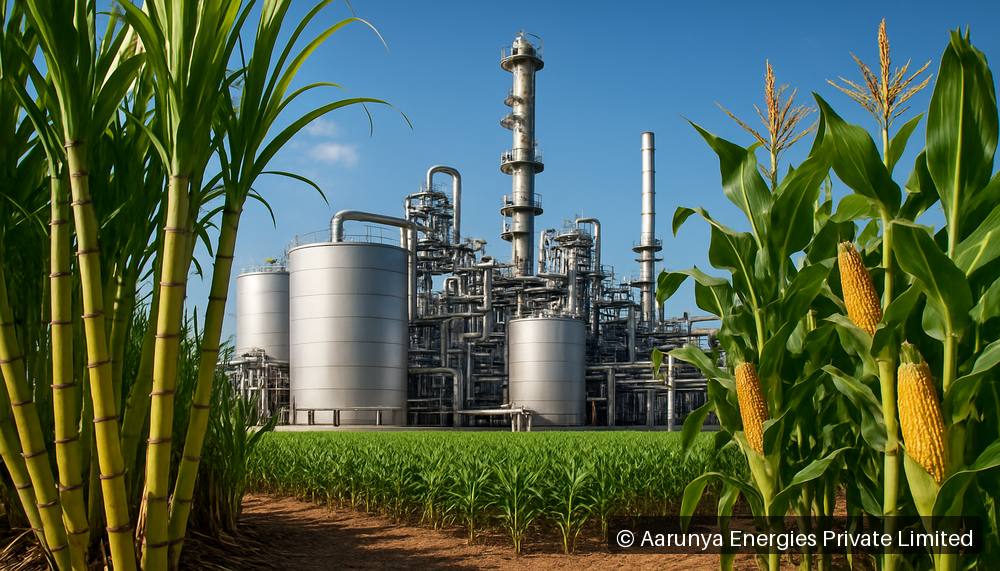
Ethanol production has emerged as a vital component of India's renewable energy strategy, aimed at reducing dependency on fossil fuels and enhancing energy security. As the demand for ethanol grows, the choice of feedstock becomes crucial. Two of the most prominent crops considered for ethanol production in India are sugarcane and maize. This article delves into a comparative analysis of these two crops, evaluating their suitability for ethanol production in the Indian context.
Sugarcane has long been a staple in India's agricultural landscape, primarily due to its role in sugar production. However, its potential as a feedstock for ethanol is significant. The process of converting sugarcane into ethanol involves fermentation, where the sugars present in the cane are transformed into alcohol. This method is relatively efficient, and the existing infrastructure for sugar mills can be adapted to produce ethanol, making it a cost-effective choice. Moreover, sugarcane has a high biomass yield, which enhances its appeal as a sustainable energy source.
On the other hand, maize is increasingly being recognized for its versatility as an ethanol feedstock. Maize is primarily grown for food, but its starch can also be converted into sugars through hydrolysis, which can then be fermented into ethanol. The cultivation of maize has been on the rise in India, driven by its demand for both food and fuel. One of the advantages of maize is its adaptability to various climatic conditions and its relatively short growing cycle, which allows for quicker turnover compared to sugarcane.
When considering the economic aspects, sugarcane has a long history of government support, including minimum support prices and subsidies for sugarcane farmers. This backing can provide a level of financial security for farmers. However, the reliance on sugarcane also raises concerns about overproduction and market saturation, which can lead to fluctuating prices and economic instability for farmers.
Maize, while not as heavily supported by government policies, offers the benefit of diversification. Farmers can grow maize alongside other crops, reducing risks associated with monoculture. Additionally, maize has a lower water requirement compared to sugarcane, making it a more attractive option in regions facing water scarcity—an increasingly common challenge in India.
Sustainability is another critical factor in the ethanol debate. Sugarcane cultivation often requires significant water resources and can lead to soil degradation if not managed properly. The environmental impact of sugarcane farming can be substantial, particularly in regions where water is already a scarce resource. Conversely, maize farming generally has a lower environmental footprint, especially when grown in rotation with legumes or other crops, which can enhance soil health and reduce the need for chemical fertilizers.
Furthermore, the energy output from the two crops must be considered. While sugarcane provides a higher energy yield per hectare in terms of ethanol production, maize's adaptability allows it to be cultivated in a wider range of conditions, potentially increasing overall ethanol production across diverse regions in India. This geographic flexibility can be advantageous in ensuring a stable supply of feedstock for ethanol production.
In conclusion, both sugarcane and maize have unique advantages and challenges in the context of ethanol production in India. Sugarcane benefits from established infrastructure and high yields, while maize offers adaptability, sustainability, and diversification opportunities for farmers. The decision on which crop is better for ethanol production depends on various factors, including economic viability, environmental impact, and regional agricultural practices. Moving forward, a balanced approach that incorporates both crops may provide the most sustainable solution for India's ethanol ambitions, ensuring energy security while promoting agricultural resilience.