In recent years, India has been at the forefront of exploring renewable energy solutions to meet its ever-growing power demands while addressing environmental concerns. Among the innovative alternatives gaining traction is torrefied biomass, particularly in the form of pellets. This article delves into how torrefied biomass pellets are gradually replacing coal in Indian power plants, highlighting their benefits and potential impact on the energy landscape.
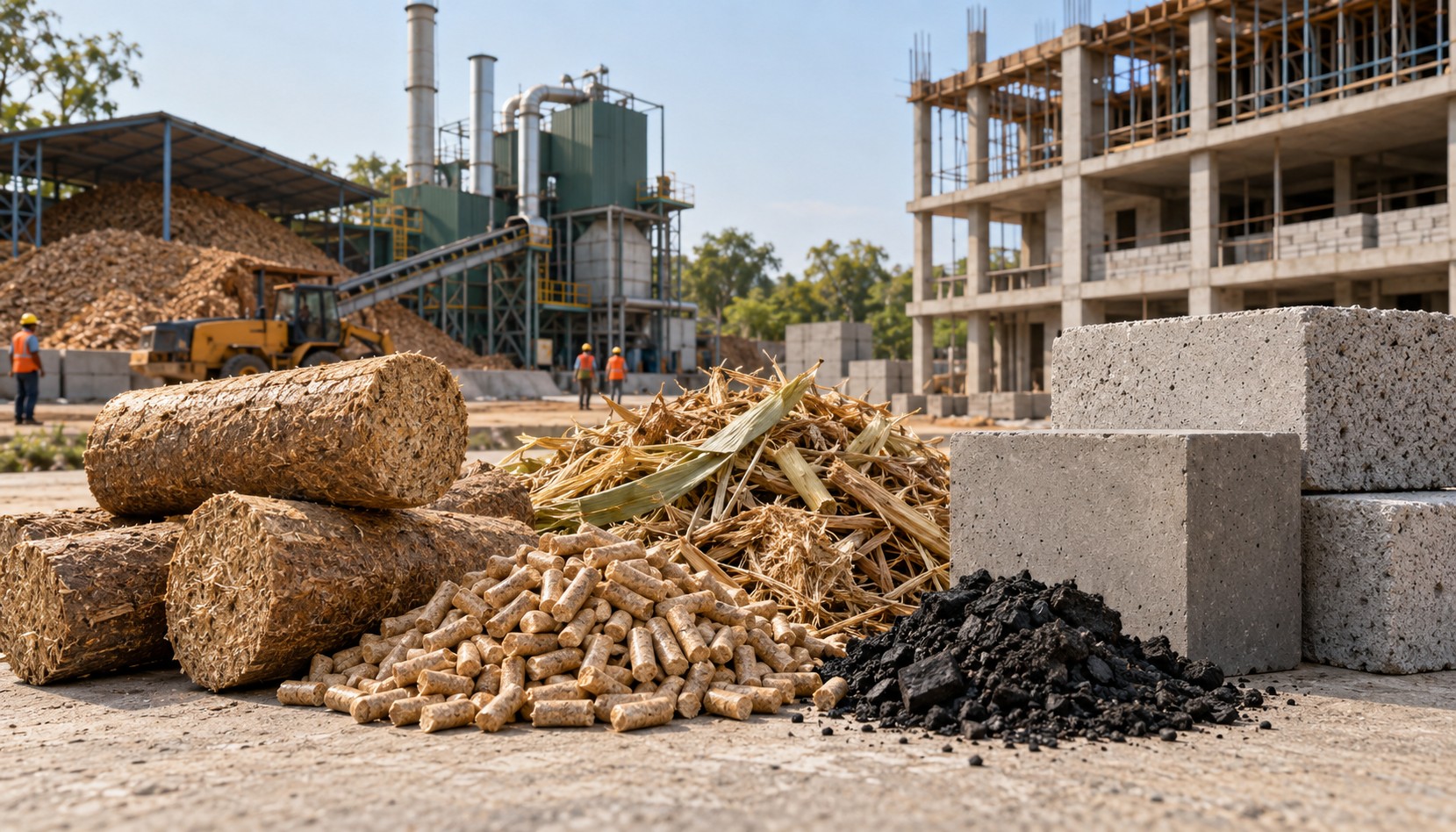
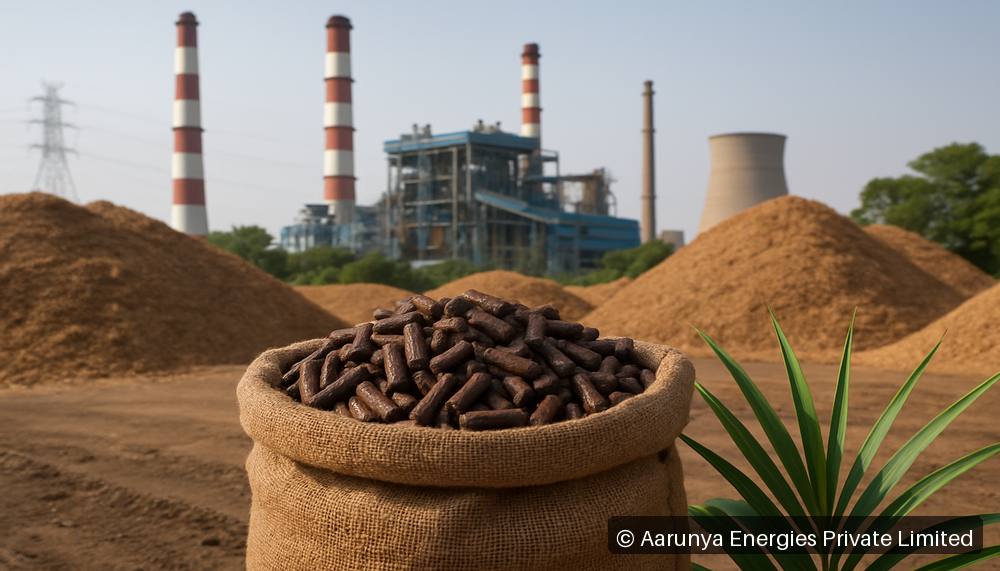
Torrefaction is a thermal treatment process that transforms biomass into a more energy-dense material. The process involves heating organic matter, such as agricultural residues and wood chips, in a low-oxygen environment at temperatures between 200°C and 300°C. This process removes moisture and volatile compounds while enhancing the energy content of the biomass, resulting in a product that resembles coal in terms of its burning characteristics. As India strives to reduce its carbon footprint, torrefied biomass pellets emerge as a viable alternative to traditional coal.
One of the primary motivations for the shift towards torrefied biomass pellets in Indian power plants is the country's commitment to reducing carbon emissions. The burning of coal is one of the leading contributors to greenhouse gas emissions, and transitioning to cleaner fuels is essential for achieving India's climate goals. Torrefied biomass pellets produce significantly lower emissions compared to coal, making them an environmentally friendly option. By incorporating these pellets into their fuel mix, power plants can substantially decrease their carbon footprint and contribute to a cleaner atmosphere.
Additionally, the energy density of torrefied biomass pellets is an attractive attribute for power generation. With higher energy content and lower moisture levels compared to raw biomass, these pellets can be transported and stored more efficiently. This addresses one of the significant challenges associated with biomass energy—logistics. Power plants can benefit from reduced transportation costs and improved storage capabilities, all while securing a steady supply of fuel.
The Indian government has been actively promoting the use of biomass for energy generation. Policies and incentives aimed at increasing the adoption of renewable energy sources have spurred interest in torrefied biomass pellets. Various initiatives, such as the National Biofuel Policy, are designed to support the development of biomass energy projects. This regulatory framework encourages investments in biomass infrastructure, including torrefaction plants, which are essential for producing high-quality pellets.
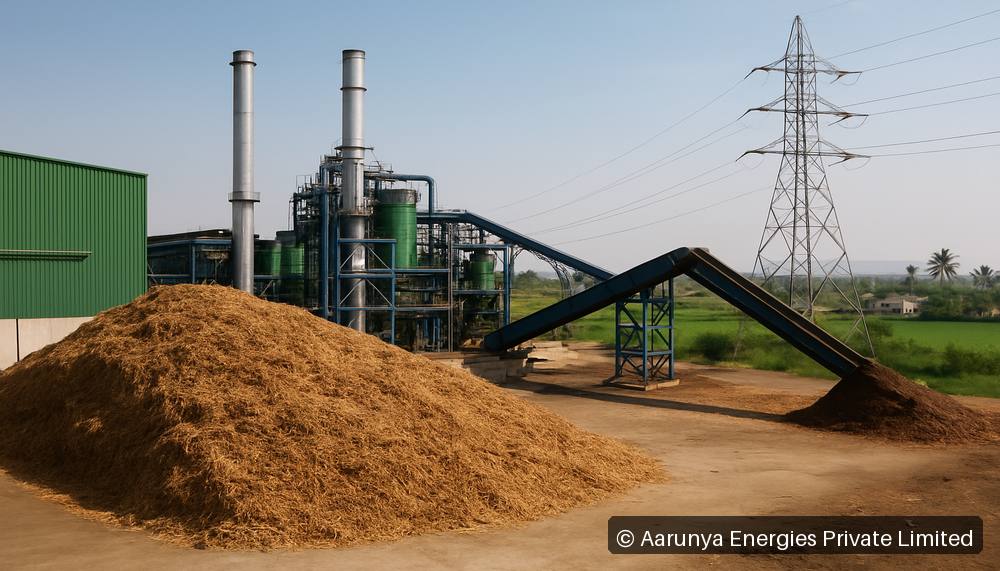
Moreover, the agricultural landscape of India is a boon for the biomass industry. With vast amounts of agricultural waste generated annually, torrefied biomass pellets can be produced sustainably and locally. This not only reduces dependency on imported fossil fuels but also provides farmers with an additional revenue stream. Utilizing agricultural residues for energy production can help mitigate waste disposal issues, creating a circular economy that benefits both the environment and local communities.
Another critical aspect of this transition is the technological advancements in pelletization processes. Modern torrefaction technologies enable the production of high-quality pellets that can be seamlessly integrated into existing coal-fired power plants. Many plants can adapt their systems to utilize torrefied biomass without significant modifications, thereby facilitating a smoother transition to cleaner energy sources.
As the world moves towards a more sustainable energy future, innovations like torrefied biomass pellets represent a crucial step in India’s energy transformation. The integration of these pellets into power generation not only addresses environmental concerns but also enhances energy security and contributes to rural development. With continued government support and advancements in technology, the future of torrefied biomass in India looks promising.
In conclusion, torrefied biomass pellets are proving to be a game-changer in the Indian power sector. Their ability to replace coal while providing environmental, economic, and logistical benefits makes them a compelling choice for power plants. As India continues to pursue its renewable energy goals, the adoption of torrefied biomass pellets will play a pivotal role in shaping a sustainable energy landscape.