The Sustainable Alternative Towards Affordable Transportation (SATAT) scheme is a significant initiative by the Government of India aimed at promoting the production of Compressed Biogas (CBG) from various organic waste materials. Launched in 2018, the SATAT scheme is a crucial part of India's strategy to enhance energy security, reduce dependency on fossil fuels, and promote sustainable energy solutions. This article delves into the key features of the SATAT scheme, its implications for the biogas sector in India, and how it aligns with the country's broader energy goals.
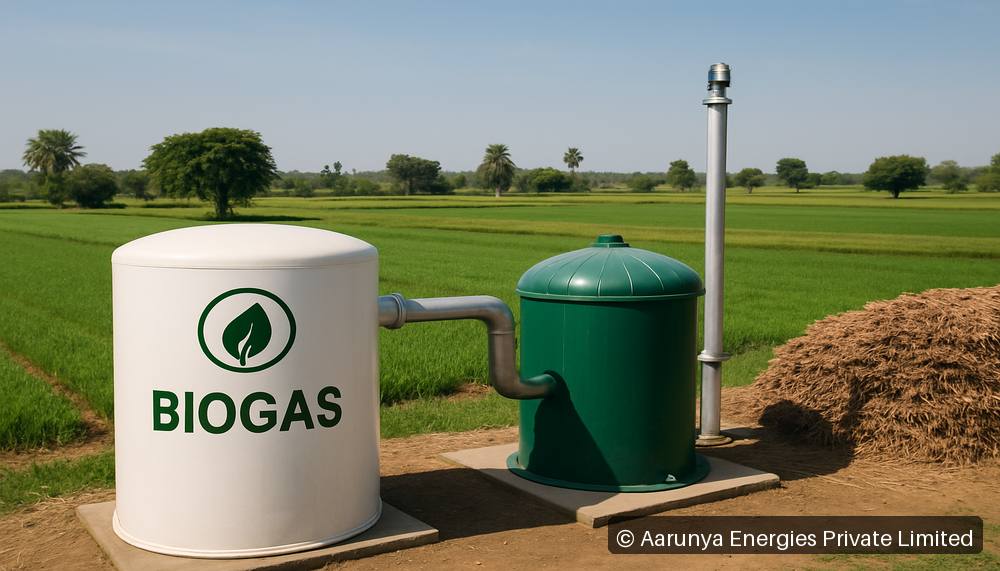
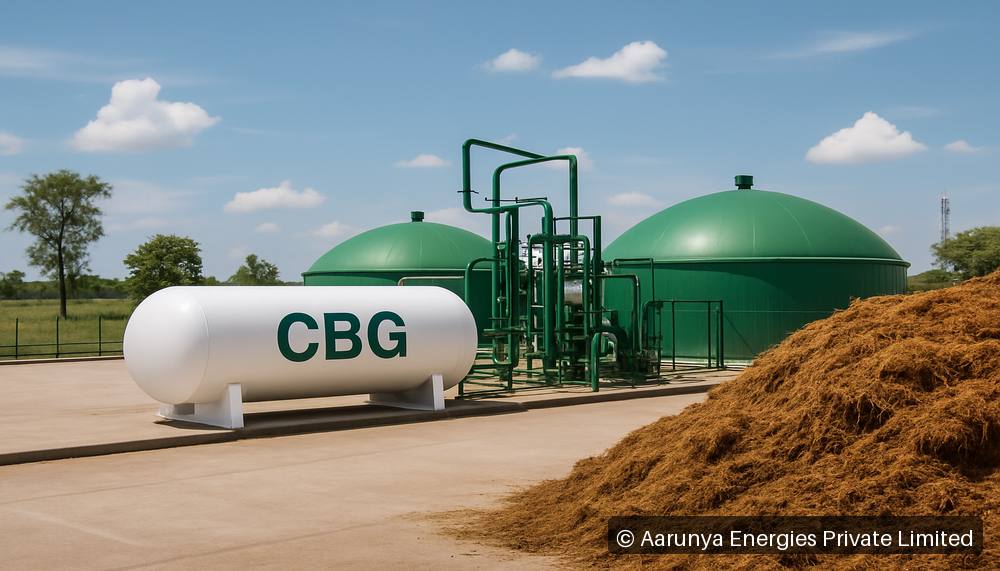
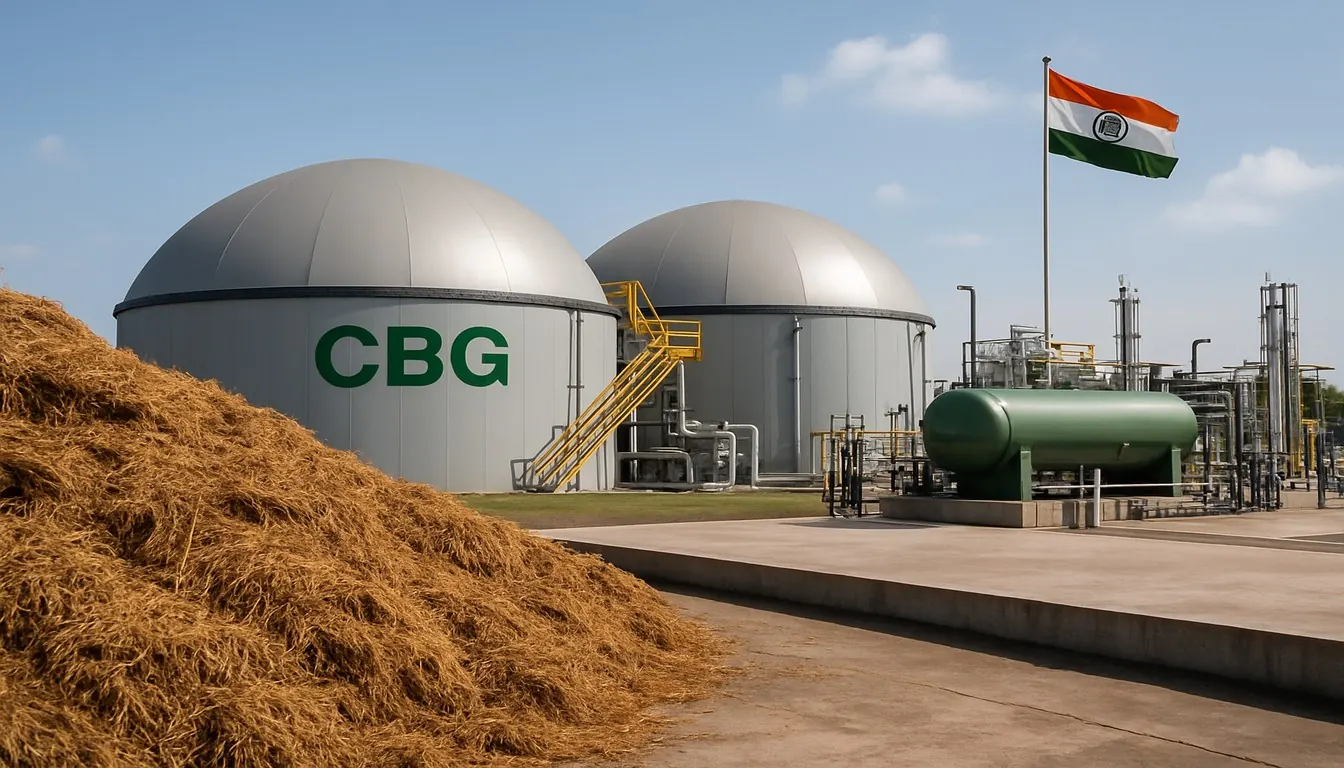
The SATAT scheme primarily focuses on the development of biogas plants that convert organic waste into CBG, which can be used as a clean fuel for transportation and other applications. By facilitating the establishment of CBG production plants, the scheme aims to create a decentralized energy infrastructure that empowers local communities, reduces greenhouse gas emissions, and promotes the circular economy by utilizing agricultural and urban waste.
One of the standout features of the SATAT scheme is its financial support mechanism. The government has committed to providing a viability gap funding (VGF) to encourage private sector participation in the CBG production ecosystem. This funding is aimed at bridging the gap between the cost of production and the market price of CBG, ensuring that the initiative is economically viable for investors and operators. Such financial incentives are expected to attract a wide range of stakeholders, including farmers, entrepreneurs, and local businesses, facilitating the establishment of CBG plants across the country.
Moreover, the SATAT scheme promotes the use of various feedstocks for CBG production, including agricultural residues, cattle dung, municipal solid waste, and industrial organic waste. This diversity in feedstock not only ensures a steady supply of raw materials but also addresses the pressing issue of waste management in urban and rural areas. By converting waste into energy, the scheme contributes significantly to waste reduction efforts while providing a sustainable energy source.
The impact of the SATAT scheme on the biogas sector in India is multifaceted. Firstly, it is expected to enhance the availability of clean fuel, reducing reliance on conventional fossil fuels like petrol and diesel. This shift towards CBG can significantly lower carbon emissions from the transportation sector, contributing to India's commitments under international climate agreements.
Secondly, the establishment of CBG plants under the SATAT scheme will create employment opportunities in rural areas. As these plants require a skilled workforce for operation and maintenance, they can stimulate local economies and improve livelihoods. Furthermore, the scheme encourages women’s participation in the biogas sector, promoting gender equality and empowerment in rural communities.
In addition to economic benefits, the SATAT scheme is aligned with India's goal of achieving energy security and sustainability. By promoting the production of renewable energy from organic waste, the scheme contributes to the country’s commitment to increasing the share of renewable energy in its energy mix. This is especially crucial in the context of India’s ambitious targets to achieve 175 GW of renewable energy capacity by 2022 and 450 GW by 2030.
The SATAT scheme also supports the government’s vision of a 'Swachh Bharat' (Clean India) by addressing issues related to waste management and sanitation. By utilizing organic waste for CBG production, the scheme helps mitigate pollution and promotes a cleaner environment.
In conclusion, the SATAT scheme is a transformative initiative for India's biogas sector, fostering the growth of the CBG industry while addressing critical issues such as energy security, waste management, and environmental sustainability. By encouraging the establishment of CBG production plants and providing financial incentives, the government is paving the way for a greener, cleaner, and more sustainable energy future. As India continues to navigate the challenges of climate change and energy demand, the SATAT scheme stands out as a beacon of hope for a sustainable energy paradigm.