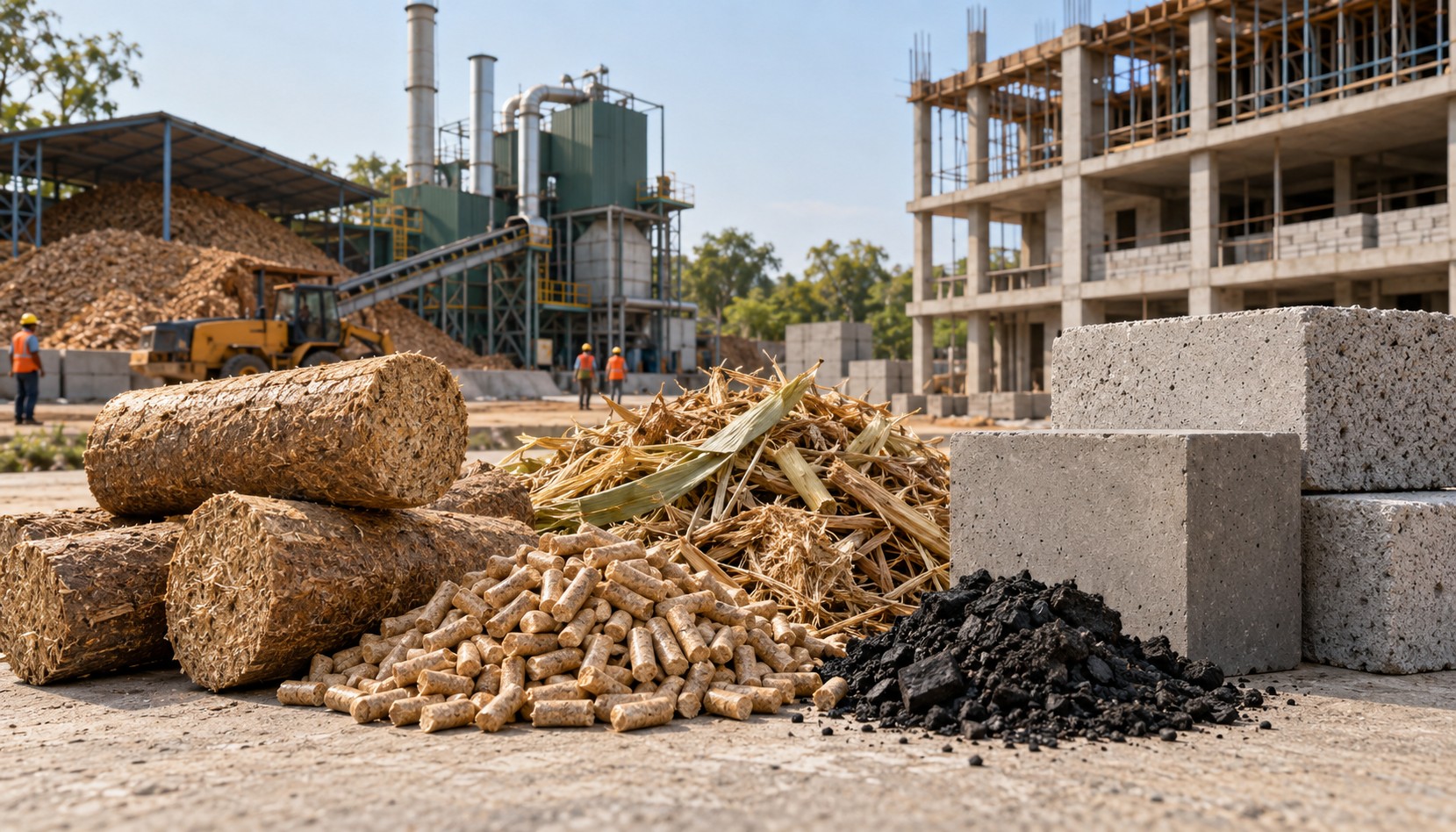
India is rapidly transitioning towards clean energy solutions to combat climate change and reduce dependence on fossil fuels. Among various renewable energy sources, biomass energy, particularly in the form of wood pellets, has emerged as a viable option. This article delves into the dynamics of wood pellet imports versus domestic production within the context of India’s growing clean energy trade.
Wood pellets, made from compressed sawdust and wood shavings, are a popular form of biomass fuel, known for their high energy content and low emissions. With their rising demand, India is faced with a crucial decision: should it import wood pellets or focus on domestic production? Each option has its advantages and challenges, which play a significant role in shaping the nation’s energy landscape.
The import of wood pellets has become an attractive option for India. Given the country's growing energy needs, imports can quickly fill the supply gap. Countries like the United States, Canada, and several European nations have established wood pellet production industries, offering high-quality pellets that meet international standards. Importing these pellets can be advantageous in terms of immediate availability and supply chain efficiency. Moreover, the influx of imported pellets can encourage competition, ultimately leading to better pricing for consumers and businesses alike.
However, reliance on imports also poses significant challenges. One of the most pressing issues is the carbon footprint associated with transporting wood pellets over long distances. While wood pellets are considered a cleaner alternative to fossil fuels, the emissions generated during transportation can offset some of the environmental benefits. Furthermore, geopolitical factors can impact supply chains, leading to volatility in pricing and availability. Dependence on international markets makes India vulnerable to fluctuations in foreign policy and trade agreements.
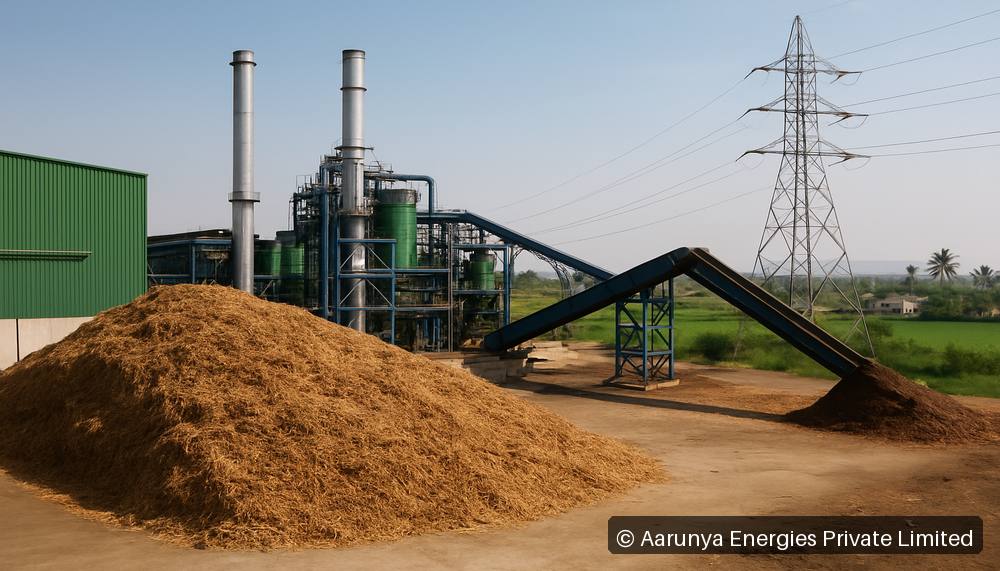
On the other hand, domestic production of wood pellets offers a sustainable solution tailored to local needs. India is rich in agricultural residues and forestry resources, which can be utilized for pellet production. By harnessing these resources, India can create a self-sustaining biomass energy ecosystem. Domestic production can also stimulate local economies, create jobs, and reduce the carbon footprint associated with transportation.
Moreover, local production can ensure that the pellets are tailored to the specific requirements of Indian industries and consumers, enhancing their effectiveness as a renewable energy source. By investing in local production facilities, India can develop a skilled workforce and innovate in biomass technology, further advancing its clean energy goals.
Nevertheless, domestic production faces its own set of challenges. The initial investment in infrastructure for pellet manufacturing can be substantial. Additionally, establishing a consistent supply of raw materials and ensuring quality control are critical for the success of domestic production initiatives. The government’s role in providing support through subsidies, technology transfer, and infrastructure development will be essential in overcoming these hurdles.
The Indian government has already recognized the importance of biomass energy in its energy policy framework. Initiatives aimed at promoting sustainable biomass production and usage are underway, with a focus on integrating biomass into the national energy mix. Programs encouraging the use of agro-waste and other biomass resources can significantly enhance domestic production capabilities.
In conclusion, the debate between wood pellet imports and domestic production is pivotal for India's clean energy future. While imports provide immediate solutions, domestic production offers long-term sustainability and self-reliance. As India seeks to achieve its renewable energy targets, a balanced approach that incorporates both strategies may be the key to developing a resilient biomass energy sector. By investing in local production while carefully managing imports, India can strengthen its position in the global clean energy trade while ensuring environmental sustainability for future generations.